
Democrats’ Internal Struggles Signal Uncertain Future Despite Recent Wins
Despite election victories, Democrats remain fractured between progressive and moderate factions—raising questions about their ability to unite behind a clear America First agenda for upcoming midterms.
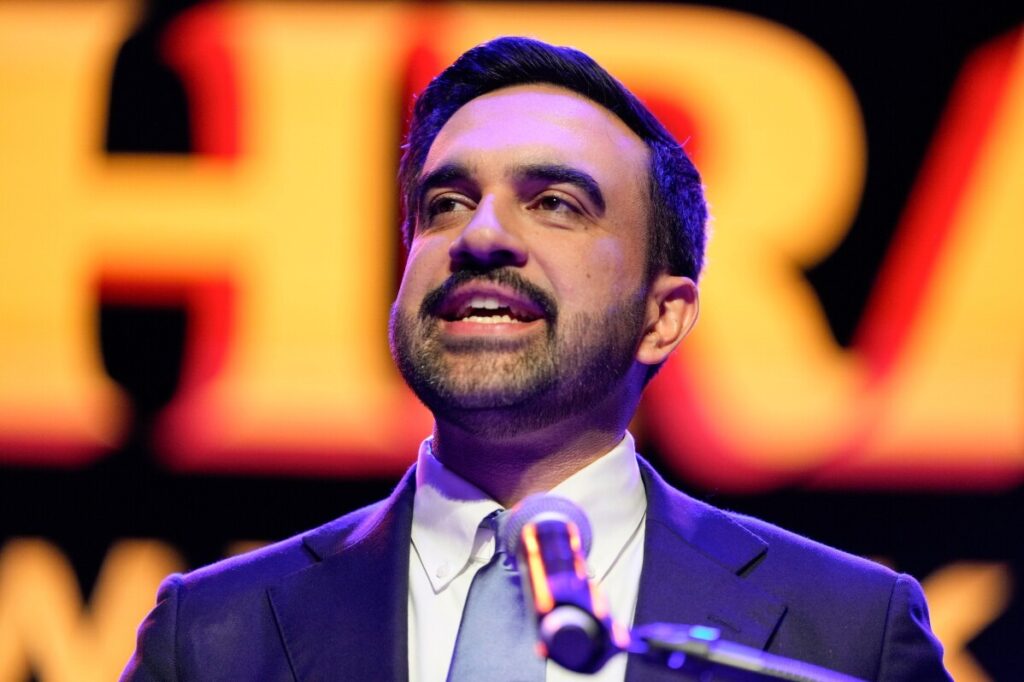
For a fleeting moment, beleaguered Democrats found reasons to celebrate after recent election wins stretched from the bluest states like New York and California to crucial swing states such as Georgia, Pennsylvania, and Virginia. But beneath this surface of optimism lies a party divided, unsure of its true path forward as it confronts the imperative of appealing to all Americans—not just its coastal base.
How Long Can Democrats Ignore Their Internal Divisions?
The Democratic Party’s ongoing tug-of-war between progressive firebrands and pragmatic moderates threatens more than just party unity—it risks undermining America’s national sovereignty and economic stability. While some celebrate socialist candidates like New York City’s Mayor-elect Zohran Mamdani as emblematic of a bold future, others warn that such radicalism alienates key voter groups in purple districts vital to holding Congress.
Rep. Suzan Del Bene’s cautionary remarks underscore that winning back America means appealing to everyday citizens in places unseen by Manhattan elites—Arizona, Iowa, Nebraska—not only in liberal strongholds. This tension highlights a broader challenge: can Democrats reconcile ideological extremes while focusing on the local kitchen-table issues that truly matter?
Promises vs. Performance: The Real Test Ahead
Democratic leaders universally criticized former President Trump’s failure to tackle inflation and rising costs—issues deeply felt by American families striving for economic liberty. Yet, their own coalition struggles undermine their credibility as effective stewards of national prosperity.
Senator Bernie Sanders touts his party’s progressive victories but warns about “cookie cutter campaigns” devoid of substance—a critique indirectly aimed at centrist candidates who shy away from bold solutions. Meanwhile, concerns about anti-Semitic rhetoric tied to figures like Mamdani threaten serious fractures within the party’s coalition, further distracting from unified governance.
The electoral wins on local fronts—from Pennsylvania’s county seats flipping Democrat to Maine rejecting voter ID laws pushed by Republicans—are promising but insufficient. These victories do not erase fundamental doubts about whether Democrats can defend American values over globalist influences and internal discord heading into the critical 2026 midterms.
Voters have shown openness once again among communities previously drifting toward Republicans: Black, Hispanic, and Asian voters delivered significant margins for Democratic candidates in New Jersey and Virginia. Yet these gains are precarious if Democrats cannot align their messaging with principles that guarantee freedom, security, and opportunity for all Americans.
As primary battles loom ahead—from Maine’s Senate race pitting establishment against populists to similar contests across major states—the party must ask itself: Will it champion national sovereignty and common-sense conservatism masked as progressivism? Or will it succumb once again to divisive politics that weaken America’s resilience?
Democrats face an urgent crossroads. Their ability—or failure—to unify around clear policies that resonate beyond ideological zealotry will determine not only congressional control but also America’s future against global threats exploiting our political fragmentation.