
Drone Incursions Force Temporary Closure of Brussels Airports Amid Rising Security Risks
Belgian airports in Brussels and Liege were forced to halt operations due to unauthorized drone activity, highlighting a growing threat that demands serious accountability and decisive response from European and American security agencies alike.
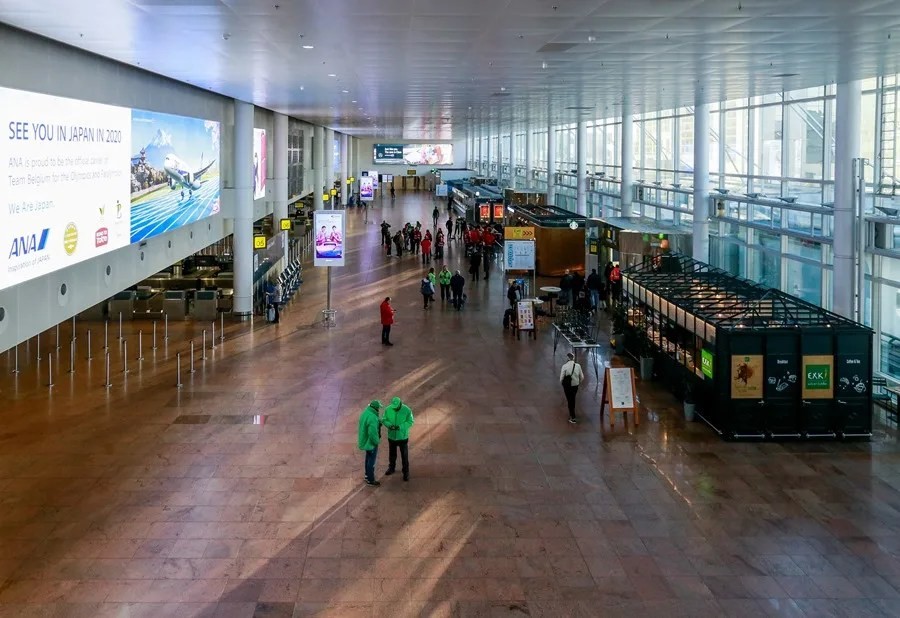
In a troubling sign of increasing vulnerabilities within Europe’s critical infrastructure, the airports of Brussels-Zaventem and Liege faced temporary closures following unauthorized drone incursions near their terminals. These disruptions lasted over an hour, forcing flight diversions and grounding operations, as reported by Belgium’s public broadcaster RTBF.
How Secure Are Our Airports When Drones Can Shut Them Down?
The Brussels airport locked down around 8 p.m. local time after radar detected drone activity nearby. Shortly thereafter, the Liege airport followed suit. Flights were suspended for at least 30 minutes—a standard safety protocol allowing air traffic controllers to verify no further illegal drone presence remains before resuming flights.
This incident is not isolated. Recent weeks have seen multiple unauthorized drones buzzing sensitive Belgian military bases such as Kleine-Brogel near the Dutch border—raising alarms about potential espionage or sabotage attempts potentially linked to foreign actors like Russia.
The Belgian Ministry of Defense is responding with accelerated countermeasures, including orders to shoot down drones when it is safe to do so without collateral damage. Still, officials admit lacking concrete intel on the drones’ origins, while openly suspecting Moscow amid similar drone incidents throughout Eastern Europe.
What Does This Mean for American National Security?
While these events occur on European soil, their implications resonate directly with America’s sovereign security interests. If European airspace—integral to transatlantic commerce and NATO operations—is penetrated by hostile drones with little immediate recourse, it underscores a dangerous gap in allied defenses that could eventually impact the United States.
Every diversion and delay caused by these incursions disrupts both civilian travel and critical military readiness. For hardworking Americans reliant on secure global supply chains and strong alliances, such vulnerabilities threaten economic stability and national sovereignty.
The Biden administration must take heed: protecting allied airspace from drone threats calls for enhanced intelligence sharing, robust defensive technologies, and decisive policies modeled after proven America First principles championed during previous administrations.
As Washington wrestles with border security challenges at home, ignoring emerging foreign aerial threats abroad risks compromising our collective safety. How long will policymakers tolerate such breaches that endanger not only Europe but also America’s strategic interests?