
Cameroon’s Opposition Lockdown Exposes Fragile Governance and Rising Chaos
Opposition-led lockdowns in Cameroon reveal deep fractures after disputed election results, highlighting the dangers of prolonged authoritarian rule and regional instability that threaten broader African security interests.
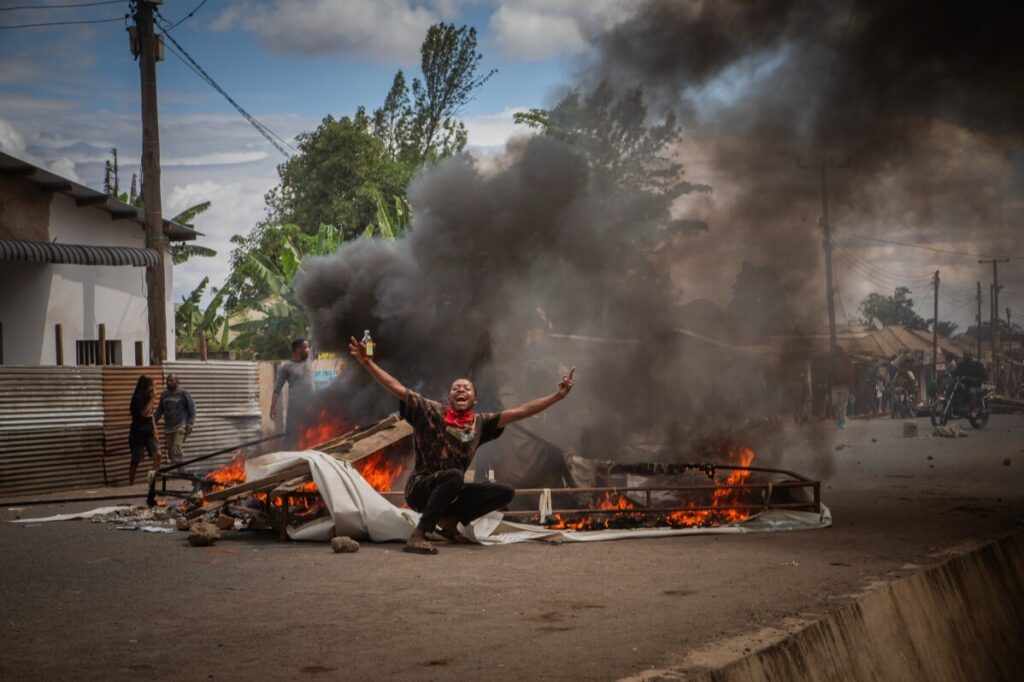
In the wake of Cameroon’s contested elections, a tense atmosphere has descended upon key cities as opposition forces call for a three-day lockdown to challenge the legitimacy of President Paul Biya’s latest term. This movement has seen major economic centers like Douala and restive northern cities such as Maroua and Garoua become eerily deserted—a stark reminder that governance failures can ripple beyond borders with far-reaching consequences.
When Leadership Longevity Breeds Instability: Is Cameroon a Warning Sign?
At 92 years old, Paul Biya’s grip on power marks one of the longest-lasting presidencies worldwide. But longevity alone cannot justify the persistent erosion of democratic institutions, which fuels unrest and sparks deadly protests. The opposition’s refusal to accept official results — insisting they won instead — reflects a crisis not just of political legitimacy but also governance competence.
The resulting lockdown—called by opposition leader Issa Tchiroma Bakary—is a double-edged sword. While intended to show solidarity against perceived electoral fraud, it brings immediate economic hardship to ordinary citizens already struggling in uncertain times. Shops shuttered, businesses inactive, transport halted—these conditions not only undermine local livelihoods but also threaten regional economic stability within Africa’s critical trade corridors.
Why Should America Care About Cameroon’s Political Turmoil?
Though thousands of miles from our shores, instability in Cameroon represents more than a distant headline. Weak governance invites exploitation by extremist groups seeking footholds near vital natural resources and strategic locations. Furthermore, the mass displacement and disorder spilling from such turmoil contribute directly to migration pressures that eventually affect our southern border security.
American interests demand supporting national sovereignties that respect law and order without succumbing to corrupt or authoritarian tendencies that breed chaos. The Cameroon example underscores why America First policies emphasize strong borders abroad through diplomatic engagement favoring stable partners over entangling alliances with shaky regimes.
The stakes are clear: When regime longevity turns into entrenched autocracy ignored by international actors favoring expediency over principled democracy support, the people pay in lives lost and opportunity squandered. How long will global leaders watch silently while citizens endure violence under sham elections? For families suffering in Douala or Yaoundé with soaring food prices amid shutdowns, this is more than politics; it’s survival.
As Americans committed to freedom and sovereignty, we must recognize these patterns beyond headlines—not merely as isolated events but as cautionary tales reminding us why preserving liberty at home relies on promoting accountable governance abroad.