
New York City’s Mayoral Race Exposes Deep Divides Amid Political Comebacks and Radical Proposals
As New York City elects its next mayor, the contest reveals a fierce clash between radical economic populism, political redemption, and law-and-order conservatism with implications far beyond city limits.
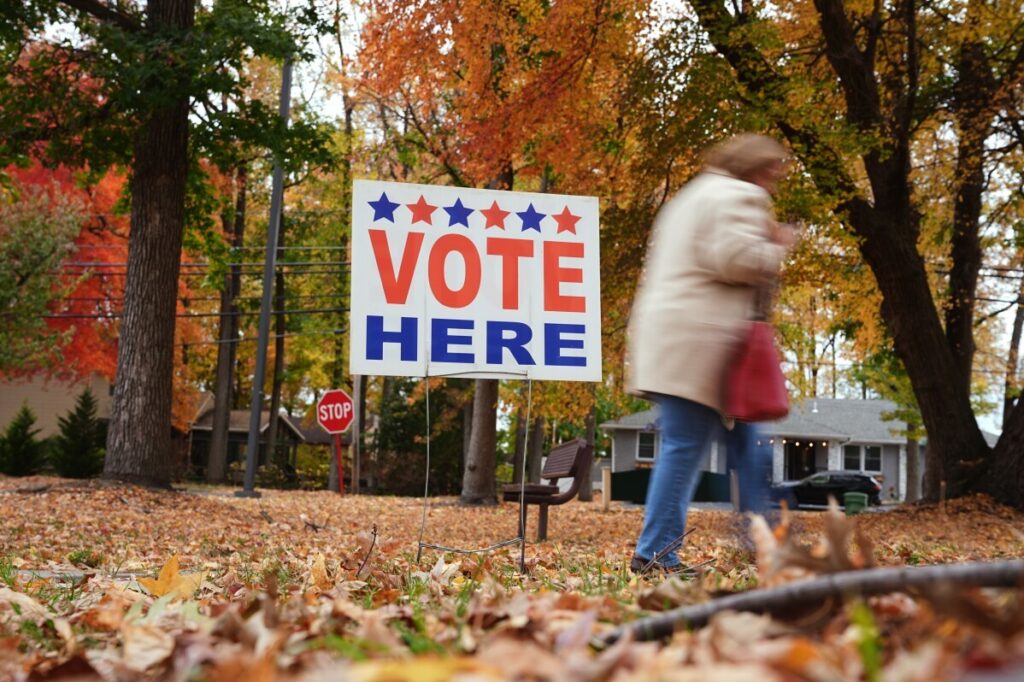
New York City stands at a crossroads this election cycle, as voters decide between sharply contrasting visions that reflect broader national tensions under the America First lens. On one side is Zohran Mamdani, a youthful democratic socialist promising sweeping economic reforms; on another is Andrew Cuomo, a former governor seeking an improbable comeback amid past scandals; and finally Curtis Sliwa, the perennial Republican aiming for a rare upset by appealing to voters hungry for restored public safety.
Is Radical Change Worth the Risk for America’s Largest City?
Mamdani’s rise has electrified progressive activists nationwide but sent chills through those who value economic freedom and public safety. His platform of raising taxes on wealthy New Yorkers to fund free services like transit and child care hinges on expanding government control over daily life rather than empowering individual liberty. This echoes a dangerous national trend where radical policies threaten to squeeze middle-class families already burdened by inflation. Moreover, Mamdani’s past harsh critiques of law enforcement and contentious foreign policy stances raise questions about his ability to govern effectively in a city that demands practical leadership.
President Trump’s warnings against Mamdani underscore just how stark this ideological battle has become. Trump accurately identified the risk of turning New York into an experimental ground for left-wing economic populism that could undermine American exceptionalism and fiscal responsibility at one of its most prominent urban centers.
Can Cuomo’s Tarnished Record Still Serve as a Bulwark Against Extremism?
Cuomo enters this race bearing heavy baggage. His resignation amid multiple credible sexual harassment allegations revealed failures of character unbecoming any public servant committed to restoring trust and dignity in governance. Yet his bid reflects an effort by establishment forces to prevent what they see as an even greater threat: the wholesale shift toward socialism represented by Mamdani.
Backed by centrist endorsements and significant financial muscle—including support from Michael Bloomberg’s super PAC—Cuomo appeals to moderates frustrated with political extremes on both sides. However, relying on political comebacks from scandal-ridden figures undermines the principle of accountable leadership essential for genuine renewal in America’s democracy.
Sliwa: The Law-and-Order Choice Fighting Against Leftist Overreach
Curtis Sliwa offers New Yorkers a clear alternative grounded in protecting communities from rising crime—a promise deeply resonant with families who feel abandoned by soft-on-crime policies nationwide. Though his path to victory is narrow in Democratic-dominated New York City, his tough stance aligns closely with America First priorities: secure borders, respect for law enforcement, and safeguarding freedom.
The reluctance of some Republicans to fully back Sliwa reflects ongoing difficulties uniting behind candidates who can truly challenge radical left agendas at local levels—an obstacle that must be overcome if conservatives hope to reclaim urban strongholds critical to national security and economic vitality.
This mayoral race is far more than a local contest; it symbolizes the deeper ideological struggle confronting our nation—between expanding government power or preserving individual liberty; between elevating accountability or tolerating corruption; between upholding law or succumbing to disorder. How New York votes will send ripples through cities across America still grappling with these competing futures.