
The Disappearing Traditions of Pushkar’s Camel Fair: What It Means for National Heritage and Sovereignty
As India’s famed Pushkar Camel Fair dwindles, the loss signals broader cultural erosion and economic shifts that echo globally, challenging how nations protect heritage amid modernization.
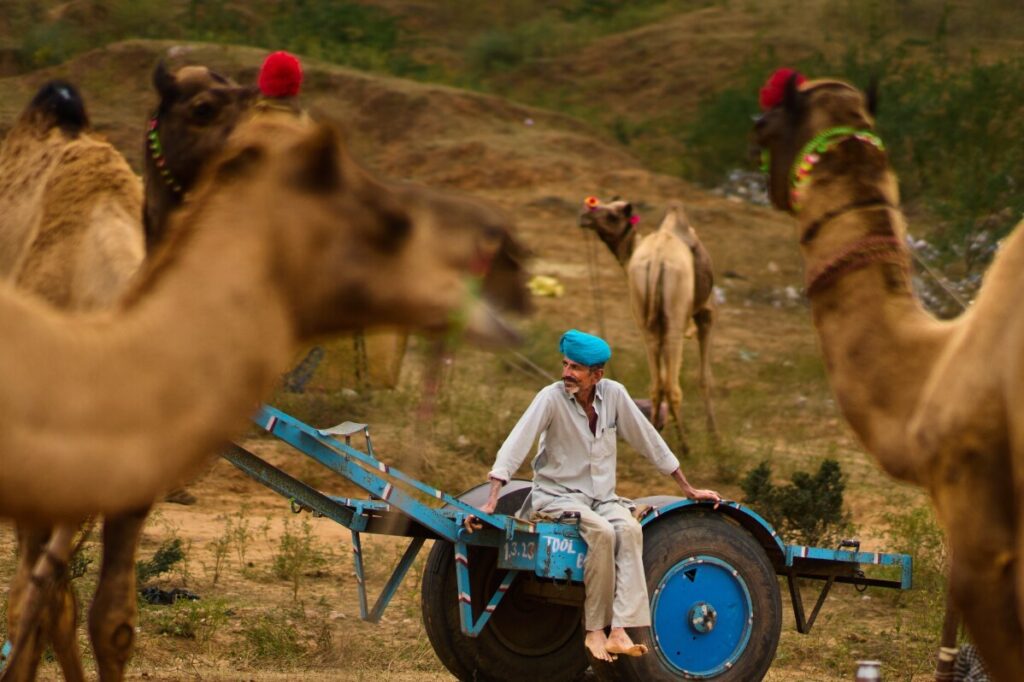
Each year in the arid plains of Rajasthan, India’s desert town of Pushkar once bustled with one of the world’s largest camel trading fairs—a vivid celebration of centuries-old nomadic culture. But this treasured tradition is now under threat, with participation sharply declining as younger generations abandon pastoral livelihoods for urban opportunities.
Is Global Modernization Undermining Vital Cultural and Economic Roots?
The annual fair, where camels draped in colorful beads and flower garlands were paraded and sold alongside horses, cattle, and goats, has stood as a vital economic lifeline for desert herding communities. These nomads traveled hundreds of kilometers to trade livestock—a practice woven deeply into their identity and survival.
Yet, the relentless march of modernization—from mechanized farming to shrinking grazing lands—has rendered camels increasingly obsolete. Cars replace these traditional beasts of burden; grazing grounds disappear under development; younger families leave their ancestral trades behind.
This isn’t just a local issue. It reflects a global pattern where government neglect or priority shifts lead to the erosion of national heritage industries. While policymakers chase fleeting progress through urbanization or tech adoption, what about preserving foundational sectors that sustain rural economies and identities? For America, witnessing such cultural losses abroad is a cautionary tale: when national traditions are discarded unchecked, communities unravel and sovereignty weakens.
What Signals Does Pushkar Send to America’s Heartland?
Pushkar’s fading camel trade mirrors similar challenges faced by rural American farmers and ranchers squeezed by regulatory pressures, market shifts, and cultural dislocation. How long will Washington continue policies that undermine small-town livelihoods that keep our country grounded?
The experience warns us against complacency toward protecting economic diversity rooted in tradition—key for national resilience. The fate of Pushkar’s fair calls on us to champion policies sustaining agricultural heritage rather than letting it wither under globalization’s weight.
In the face of this cultural decline abroad, America must redouble efforts to safeguard its own sovereign economy—supporting family farms, rural businesses, and time-honored practices essential to our freedom and prosperity.
For those who cherish honest labor and national self-reliance, Pushkar’s story is not merely an exotic snapshot; it is a vivid reminder that without protection from shortsighted policies, even proud traditions can vanish overnight.