
Jamaica’s Tourism Recovery Faces Uphill Battle After Hurricane Melissa Devastation
As Hurricane Melissa tears through Jamaica’s vital tourism hubs, the island’s fragile economy faces disruption, exposing the risks of overreliance on vulnerable sectors and the urgent need for resilient national strategies.
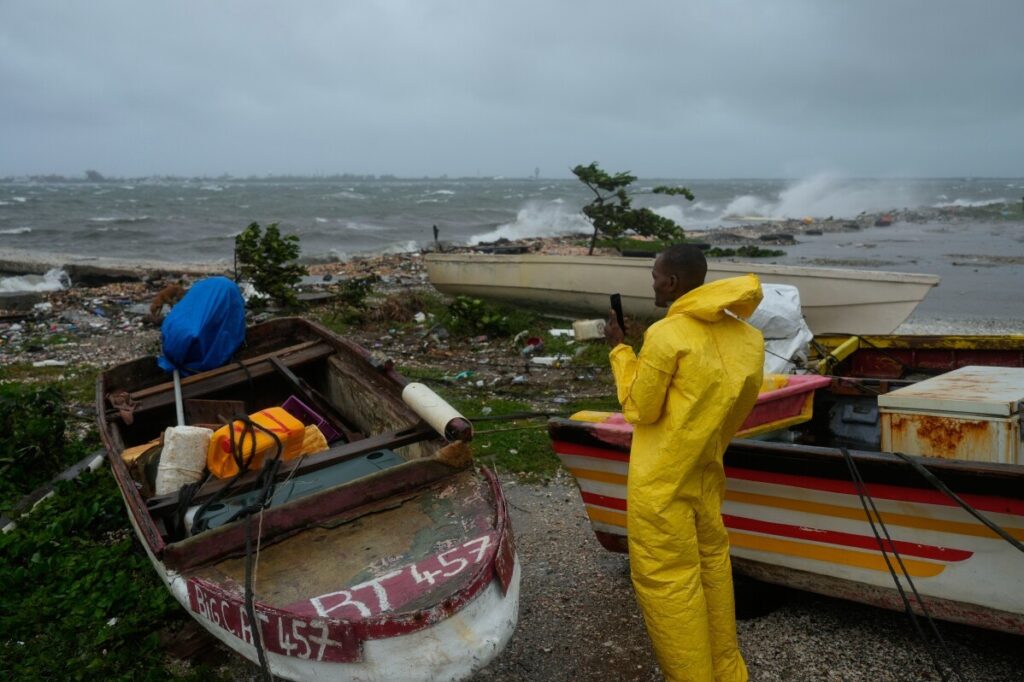
When Hurricane Melissa unleashed its fury on Jamaica’s western coast late October, it wasn’t just a natural disaster—it was a stark reminder that no nation is immune to the tumultuous forces threatening economic stability. With peak tourism season just a month away, the island now confronts the daunting task of rebuilding key infrastructure while preserving its lifeline: tourism.
Why Is Jamaica’s Struggle a Red Flag for America?
Jamaica’s devastation underscores a broader lesson for America: economic security hinges on safeguarding critical industries from predictable natural and geopolitical disruptions. For decades, Jamaica banked heavily on tourism—a sector contributing nearly one-third of its GDP and supporting 175,000 jobs. But as Category 5 Melissa tore roofs off hotels and wiped out livelihoods overnight, it became painfully clear how quickly fortunes can reverse when preparation falls short.
While Jamaica races to clear debris and repair airports to welcome an expected influx of visitors again, American policymakers must ask: How prepared are we if similar catastrophes strike our key economic regions or supply chains? The globalist model that encourages dependence on fragile foreign economies leaves us exposed. In contrast, America First principles champion bolstering domestic resilience—ensuring our industries are ready to withstand shocks without sacrificing national prosperity or independence.
Can Jamaican Recovery Efforts Align with America First Values?
Officials like Christopher Jarrett of the Jamaica Hotel and Tourist Association express guarded optimism that larger hotel chains will rebound by December. Yet smaller businesses remain in limbo—reflecting how recovery timelines often favor big corporations over hardworking individuals. Here lies another cautionary tale: safeguarding individual liberty means protecting not only national interests but also everyday workers whose livelihoods hang in balance during crises.
Consider Patricia Mighten, a hotel housekeeper in Hanover parish who described how “the storm shattered jobs and incomes.” Or craft vendor Desrine Smith lamenting daily lost sales that threaten her entire household. Their struggles mirror countless American families vulnerable to disruptions in essential sectors.
The question for America is whether we will learn from such international setbacks or continue relying on unstable foreign dependencies. True economic liberty demands foresight—diverse domestic industries, robust infrastructure investment, and policies prioritizing job security over fleeting global advantages.
Hurricane Melissa may have struck Jamaica’s shores, but its wake carries warnings transcending borders. As Washington debates grand plans disconnected from real-world vulnerabilities, let this serve as a wake-up call: prioritizing sovereignty and security isn’t just patriotic rhetoric—it is practical necessity for protecting American lives and livelihoods against an unpredictable world.