
Mexico’s Arrest of Foreign Nationals in Murder of Colombian Musicians Reveals Deeper Security Failures
Mexico arrests 16 suspects, including foreigners, in the brutal murder of Colombian musicians—highlighting cross-border criminal networks and government lapses that threaten regional stability and America’s security interests.
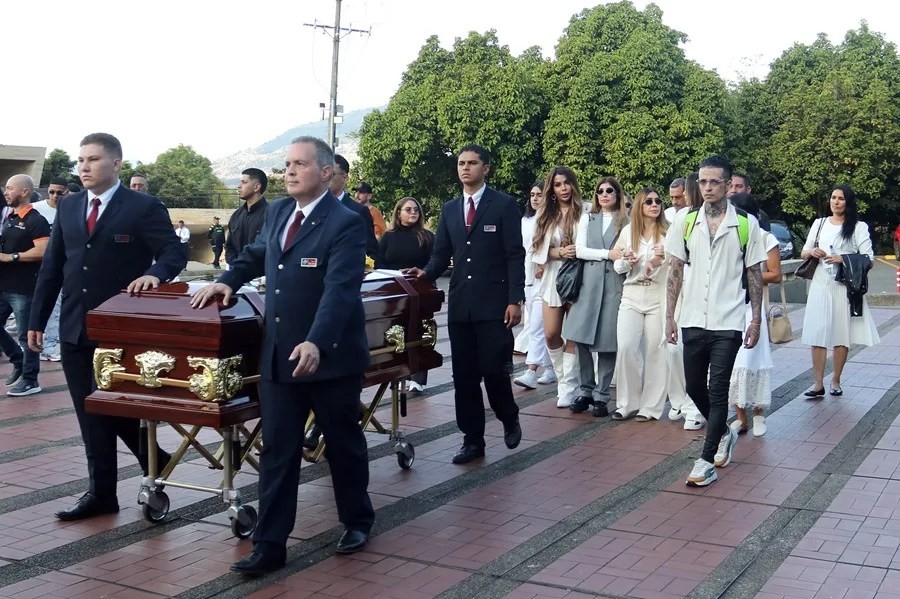
The recent arrest of 16 individuals by Mexico’s Fiscalía General de Justicia del Estado de México (FGJEM), including ten foreign nationals from Colombia, Venezuela, Cuba, and Spain, in connection with the murder of Colombian musicians B-King and DJ Regio Clown is more than a headline—it is a stark reminder of the lawlessness that festers along borders close to the United States.
These musicians were abducted and killed amid allegations tied to narcotics distribution—particularly the synthetic drugs “2-CB (Tusi)” and “Coco Channel”—as well as extortion and kidnapping linked to organized crime. While Mexico insists there is no evidence the murders occurred within its territory, these crimes took place just miles from the U.S. border region where cartel influence continues to grow unchecked.
What Does This Say About Cross-Border Crime and Sovereignty?
When foreign criminals use Mexico as a haven for drug trafficking and violent crime impacting innocent citizens—including artists—the fallout cannot be contained within any single nation’s borders. America’s southern security is inevitably compromised when Mexican authorities struggle or fail to fully control these criminal networks.
Despite Mexican officials’ detailed accounts involving suspects like Cristopher ‘El Comandante,’ who allegedly orchestrated deception tactics leading to these murders, one must question why such brazen acts happen in proximity to major urban centers without preventive action. For hardworking American families already burdened by rising crime affecting border states, this signals a dangerous lapse in sovereign control with direct consequences on our communities.
Is Mexico Prioritizing Diplomacy Over Real Security Solutions?
The diplomatic responses have been cautious. Mexican President Claudia Sheinbaum dismissed concerns that this violence would harm bilateral relations with Colombia despite Colombian officials expressing serious worries about possible cartel involvement masked under political narratives such as the “war on drugs.” Could this reluctance to confront deeper cartel complicit networks undermine genuine cooperation against transnational crime?
For America First advocates, this case is emblematic of what happens when neighboring governments prioritize international image or political convenience over robust enforcement and intelligence-sharing measures that safeguard both nations. It raises urgent questions: How long will Washington tolerate porous borders exploited by foreign criminal syndicates? When will we demand accountability from partners whose failures exacerbate threats spilling into U.S. soil?
The tragic deaths of B-King and DJ Regio Clown are more than isolated incidents—they expose cracks in regional security frameworks tied directly to America’s national sovereignty and safety. It is imperative policymakers strengthen cross-border law enforcement collaborations rooted in firm respect for sovereignty rather than politically motivated silence.
The time has come for a clear-eyed assessment that puts American families first by confronting these violent cartels wherever they operate—not shielding them behind diplomatic platitudes.