
Cameroon’s Octogenarian President Secures Controversial Eighth Term Amid Unrest
At 92, Paul Biya clinches a disputed eighth term as Cameroon’s president, sparking deadly protests and raising urgent questions about electoral integrity and authoritarian entrenchment.
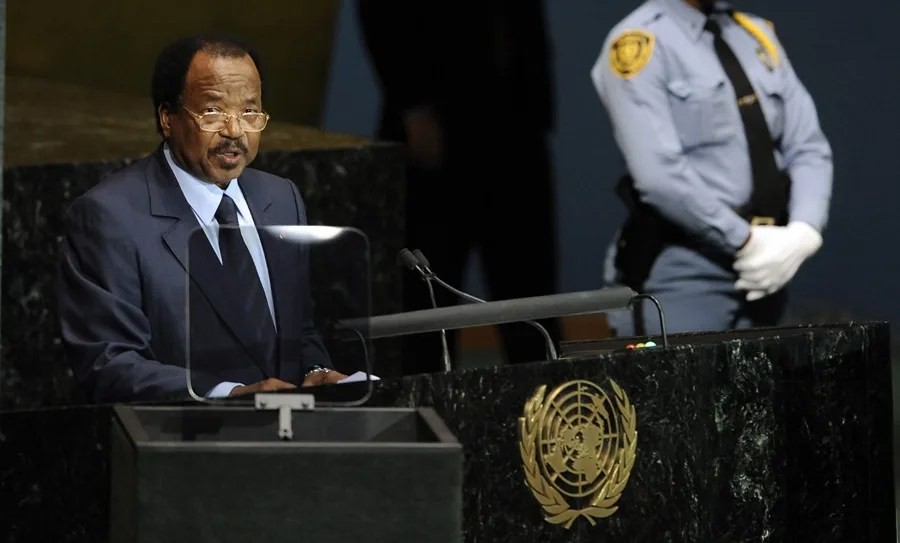
Cameroon’s veteran leader, Paul Biya, now 92 years old, has once again secured the presidency in elections widely contested for their legitimacy. With official results granting him a narrow victory of 53.66%, Biya extends his unprecedented rule into an eighth term — a tenure spanning over four decades since 1982.
While the world watches this aging strongman tighten his grip on power, the realities on the ground paint a more troubling picture. Opposition supporters protesting alleged election fraud faced violent crackdowns that left at least four dead and many security personnel injured in the economic capital of Douala. This unrest is not just local turbulence; it signals an ongoing crisis undermining democratic principles and stirring instability on a continent where American strategic interests seek allies upholding freedom and accountable governance.
How Long Will Corruption and Authoritarianism Undermine African Democracy?
The opposition candidate Issa Tchiroma Bakary, who declared himself winner based on divergent vote reports, received only 35.19% in official tallies—a discrepancy that fuels widespread skepticism about the fairness of these results. The Constitutional Council’s dismissal of all challenges to the election outcome further cements concerns over institutional bias favoring entrenched regimes.
Biya’s continuation in office follows a controversial constitutional reform from 2008 that eliminated presidential term limits, allowing leaders like him to cling to power indefinitely. This move starkly contrasts with American ideals of national sovereignty exercised through transparent elections and leadership accountability—values vital to ensuring prosperous partnerships abroad.
Why Should America Care About Stability and Freedom in Cameroon?
Unstable governments embolden extremist elements and contribute to regional insecurity that can spill over borders, affecting trade routes and migration patterns critical to U.S. interests. Moreover, supporting genuine democratic processes abroad reinforces America’s global reputation as a champion of liberty rather than tacitly endorsing authoritarian stagnation for geopolitical convenience.
The exclusion of key opposition figures such as Maurice Kamto highlights another dimension: manipulation by electoral commissions designed to marginalize dissenting voices. Such tactics undermine political competition—the lifeblood of any healthy democracy—and betray citizens’ right to choose leaders freely.
Biya’s status as one of Africa’s longest-serving presidents raises urgent questions: How much longer will Washington tolerate dictatorships masquerading as democracies? When will American foreign policy prioritize true allies committed to upholding freedom?
This saga in Cameroon is not just an isolated episode but a warning signal demanding vigilance against globalist complacency that weakens national sovereignty everywhere—including at home.