
Behind the Scenes of India’s Chhath Festival: What Washington Overlooks in Global Cultural Reporting
As Hindu devotees perform ancient sun worship rituals across India, mainstream U.S. media offer little context on cultural significance or geopolitical implications—revealing a troubling trend of superficial global reporting that sidelines America’s strategic understanding.
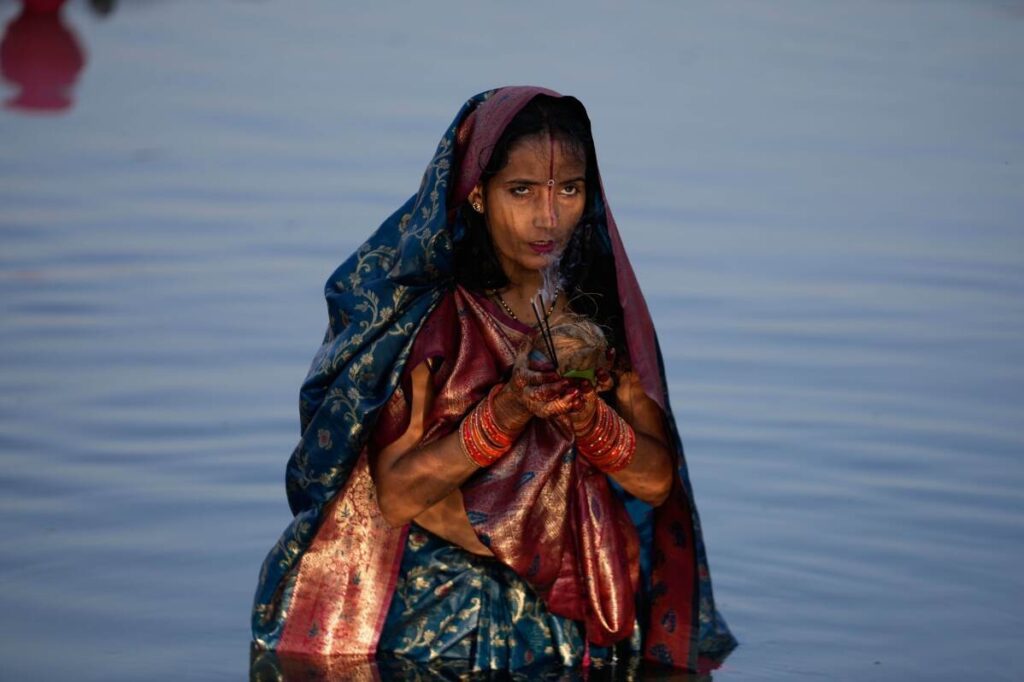
Every year, millions of Hindu devotees gather along India’s rivers to celebrate the Chhath festival, venerating Lord Surya—the sun god—in rituals steeped in centuries-old tradition. This sacred observance, rich in symbolism and communal devotion, is more than a mere photo op; it reflects the enduring strength of cultural heritage amidst a rapidly globalizing world.
Yet, as images flood Western news outlets focused on spectacle over substance, critical context and America’s own stakes are ignored. Why does this matter to us? Because the global narrative shaped by such incomplete coverage affects how Washington perceives and engages with key nations like India—a pivotal partner in countering rising authoritarian influences that threaten our national sovereignty.
Are We Missing the Bigger Picture Behind Cultural Coverage?
The Associated Press’s presentation of Chhath festival photos from multiple Indian rivers showcases vivid moments of worship but stops short of explaining their deeper meaning or strategic significance. These rituals underscore not only spiritual resilience but also a nation’s commitment to its identity and values—qualities America must recognize when fostering alliances based on shared respect for freedom and tradition.
India’s vibrant civil society, rooted in ancient customs like Chhath Puja, stands as a bulwark against globalist homogenization and ideological encroachment. For American policymakers dedicated to an “America First” agenda, appreciating such cultural pillars is essential for strengthening ties that protect our economic interests and secure democratic ideals.
How Does This Reflect on America’s Role in Global Affairs?
When U.S. media merely gloss over significant international traditions without analyzing their geopolitical influence, we lose opportunities to inform public opinion and guide policy that prioritizes national security through strategic partnerships. The growing importance of India as a counterweight to adversarial powers demands informed engagement—not shallow photo spreads.
Moreover, this kind of cultural reporting serves as a reminder that true freedom encompasses the liberty to maintain one’s heritage while advancing modern prosperity—a principle foundational to both Indian society and America’s founding ethos.
In light of this, it is crucial for American news consumers to question why their media often fails to provide comprehensive insights into global events impacting our national interests. How long will we tolerate narratives shaped by surface-level portrayals that overlook vital dimensions influencing freedom worldwide?
If we are committed to preserving American sovereignty and promoting economic liberty abroad, understanding the depth behind foreign traditions like the Chhath festival is not optional—it is necessary.