
Spain’s Migrant Shepherd Program: A Short-Sighted Fix to Rural Decline
Spain’s government trains African migrants as shepherds to combat rural depopulation—but at what cost to local workers and national sovereignty? An investigative look reveals troubling priorities.
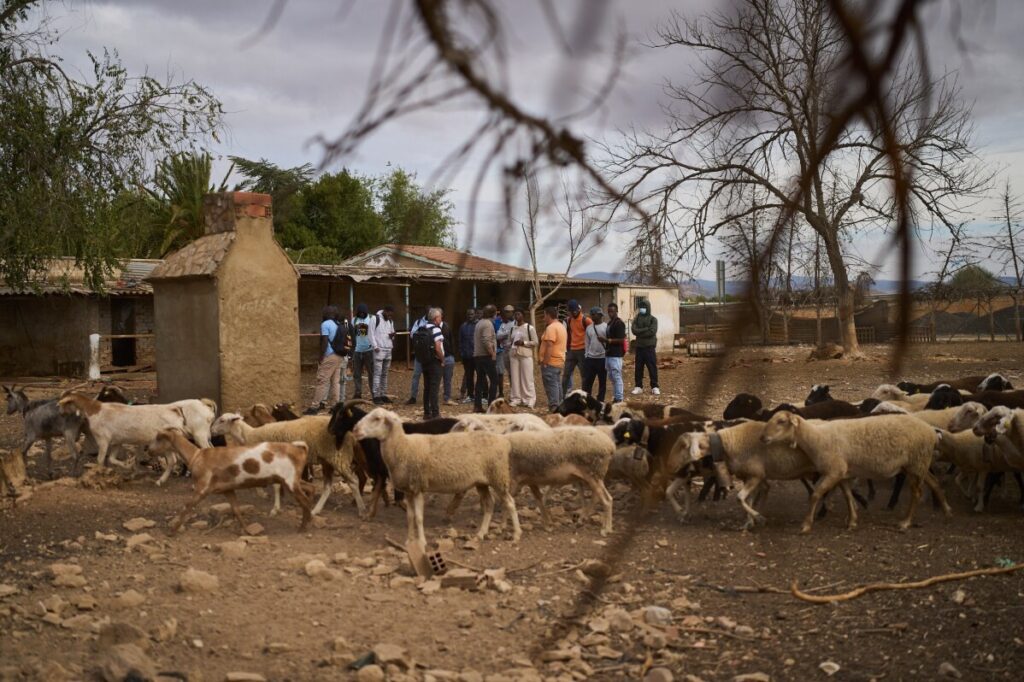
Spain’s well-publicized initiative to train African migrants as shepherds in the depopulated region of Castile-La Mancha might seem like a creative solution on the surface. Yet beneath this glossy narrative lies a deeper issue: Are governments across Europe sacrificing national interests and local livelihoods in favor of social experiments that ultimately weaken their own communities?
Is Replacing Local Workers with Migrants the ‘Solution’?
The program highlights individuals like Osam Abdulmumen, a 25-year-old migrant from Sudan, learning sheep herding skills far from his homeland. While humanitarian stories can touch hearts, the broader consequence is that Spain is effectively importing labor for traditional roles once filled by native workers. Is this truly addressing rural depopulation, or merely papering over symptoms by shifting burdens from communities to migrants?
Rural Spain faces genuine challenges: job shortages and declining populations threaten its cultural fabric. But rather than bolstering economic frameworks that empower local families and young Spaniards to thrive, policymakers appear content recruiting migrants for menial work—displacing jobs American families might envy and creating dependence on government-managed migration programs.
What Does This Mean for America and Its Own Sovereignty?
From an America First viewpoint, this episode abroad underscores how open borders and lax immigration policies can erode national self-reliance—not only here but mirrored globally. If European nations persistently outsource their rural workforce needs instead of investing in citizens, they pave the way for greater economic dependency and cultural dilution.
For hardworking Americans watching these developments overseas, it raises pressing questions: How long before similar policies impact U.S. agriculture and rural communities? Will Washington prioritize American workers over foreign labor in critical industries? History shows that unchecked migration programs often strain public resources without delivering sustainable prosperity.
The Spanish example illustrates a cautionary tale. While photo galleries showcase smiling migrant shepherds alongside traditional farmers, the underlying policy risks fostering division rather than unity—alienating local populations while celebrating managed migration as progress.
In defending our borders and prioritizing American jobs, we protect not only our economy but our national sovereignty. We must scrutinize foreign policies like Spain’s migrant shepherd training as warnings against repeating the same mistakes at home.