
FBI NBA Sports Betting Probe Exposes Risks of Unchecked Gambling Boom
The FBI’s indictment of NBA figures in a massive illegal sports betting scheme sheds light on the dangers lurking beneath the booming legalized gambling industry, threatening national integrity and consumer safety.
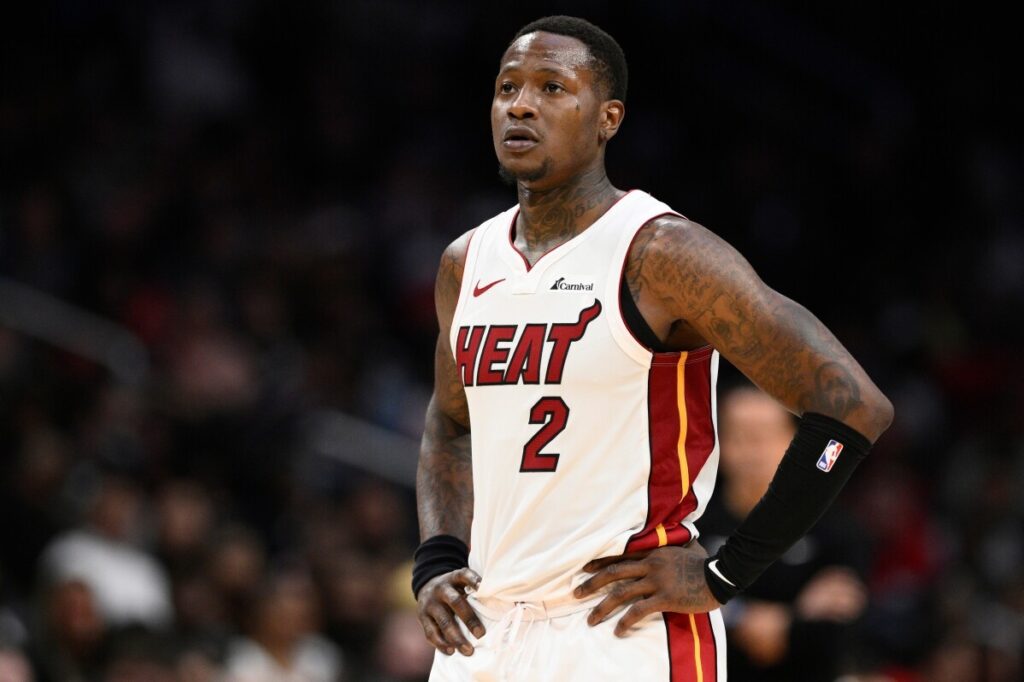
Underneath the glitz of professional sports lies a growing menace that threatens both the integrity of our games and the financial security of hardworking Americans. The recent FBI indictment involving over 30 individuals, including Miami Heat guard Terry Rozier and other NBA affiliates, reveals how illegal sports betting exploits private player information to rig outcomes. This scandal is not just about cheating; it highlights how unchecked growth in sports gambling endangers our nation’s values.
How Did We Get Here? Reckless Legalization Fueled by Big Money
Since the Supreme Court struck down the Professional Amateur Sports Protection Act in 2018, legal sports betting has exploded nationwide. Where once only Nevada offered bets, now 38 states plus D.C. have embraced this multibillion-dollar industry. Online platforms like DraftKings and FanDuel have transformed smartphones into instant sportsbook access points – often accompanied by aggressive advertising campaigns featuring star athletes themselves.
But is this surge truly serving America’s interests? While proponents claim legal wagering generates tax revenue and undercuts illicit markets, federal probes suggest that even within “legal” frameworks, manipulation and corruption fester. If players and coaches can exploit inside information or participate in fixing games or card matches—as alleged with Rozier and Portland Trail Blazers’ Chauncey Billups—then where is the accountability?
The Hidden Costs: American Families at Risk Amid Industry Profits
This scandal unfolds against an alarming backdrop: widespread normalization of addictive gambling behaviors driven by micro bets and around-the-clock accessibility. Research shows that vulnerable groups—especially young men from low-income communities—face devastating losses obscured by shiny advertisements promising easy wins.
The major leagues profit from data partnerships that monetize live game stats to fuel betting platforms’ offerings—a clear conflict when these same leagues enforce only surface-level rules against employee wagering on games. The result? An ecosystem where profits come before principle, placing ordinary Americans at risk while lining corporate pockets.
As Wayne Taylor, marketing professor at Southern Methodist University observes, “States opened a can of worms they are just beginning to understand.” When players who should embody fair competition instead become entangled in conspiracies, it erodes trust in institutions meant to entertain—and unite—the nation.
Washington must ask itself: How long will it turn a blind eye as national sovereignty over lawful gaming is compromised by both illegal schemes and lax regulation? Protecting American families requires stronger oversight that prioritizes integrity over profits.
This FBI case exposes more than individual wrongdoing; it warns of systemic vulnerabilities when freedom without responsibility prevails. From fraudulent prop bets to dangerous addiction risks, the boom in sports betting demands sober reflection grounded in common-sense conservatism.
For patriots who cherish honest competition, national pride, and fiscal responsibility, this scandal should be a call to action—not complacency.