
Peru’s State of Emergency: A Cautionary Tale of Ineffective Crime Control and Government Overreach
As Peru’s new president imposes a harsh state of emergency to combat rising crime, the nation watches skeptically—highlighting a familiar pattern of government measures that fail to protect citizens and instead erode freedoms.
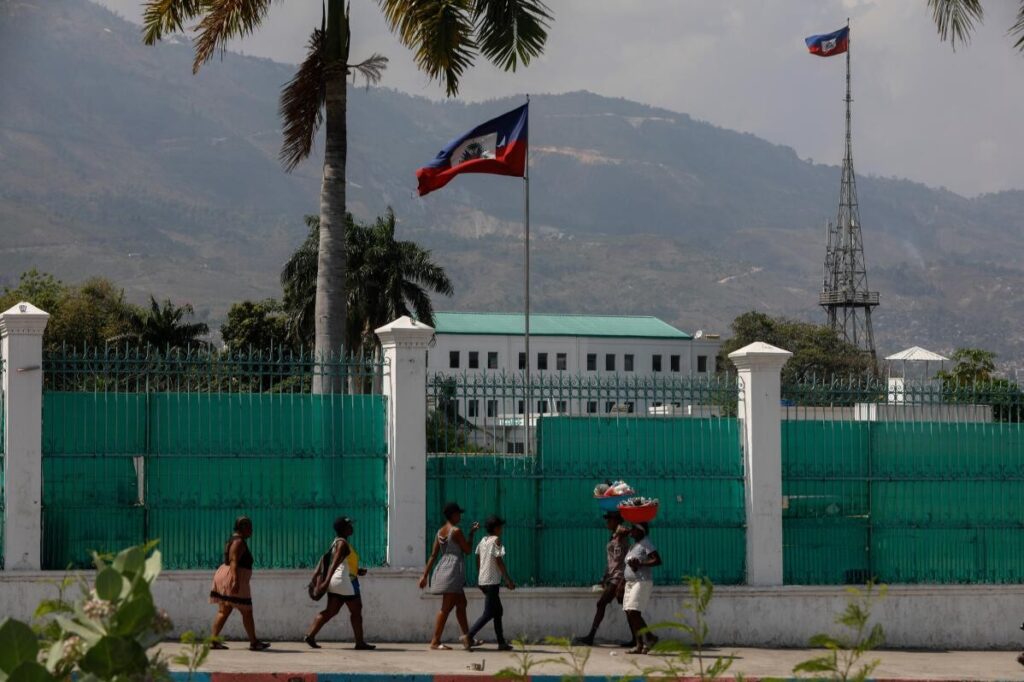
In the streets of Lima, Peru’s capital, soldiers and police now patrol under the shadow of a freshly declared state of emergency. President José Jerí, newly sworn in after his predecessor was ousted amid spiraling violence, has suspended key constitutional rights—from freedom of assembly to simple everyday activities like two adults riding together on a motorcycle—in a bid to halt the country’s alarming crime surge.
Is Heavy-Handed Policing the Answer or Just Another False Promise?
For hardworking Peruvians already battered by escalating extortion and violence, this decree is not a welcome sign but rather an all-too-familiar script. Similar states of emergency enacted just months ago failed to stem a surge in homicides and extortion cases disproportionately targeting working-class citizens. More than doubling from 676 homicides in 2017 to over 2,000 in 2024, Peru’s violent crime epidemic shows no signs of retreat.
Manuel Timoteo, standing at a bus stop in northern Lima, voices what many feel: “The soldiers go out for a few days, stand with their rifles on a corner, leave and everything remains the same.” Why should Americans ignore this distant crisis when it reflects a broader truth about government responses that prioritize punitive spectacle over effective solutions? This pattern warns us against blind faith in sweeping crackdowns that infringe on liberty while failing public safety.
The America First Lesson: Liberty and Security Demand Principle-Driven Leadership
While Peru struggles under an ineffective security approach paired with restrictions on basic freedoms—including bans on protest—America must remember the lessons championed by leaders who put national sovereignty and individual liberty first. Genuine security cannot be achieved through temporary show-of-force tactics; it demands principled leadership that respects constitutional rights while empowering communities.
President Trump’s emphasis on border security paired with policies restoring law and order exemplifies how America can confront rising crime without abandoning foundational freedoms. Meanwhile, Washington must scrutinize foreign models like Peru’s current approach as cautionary examples rather than templates.
How long will policymakers tolerate half-measures that sacrifice liberty for illusory security? For families already struggling under inflation and uncertainty at home, we cannot afford distractions abroad or ineffective policies here. The fight against crime requires clear-eyed solutions rooted in American values—something Peru’s state of emergency starkly lacks.