
Thousands Evacuated in Crete Amidst Out-of-Control Wildfires Fueled by Government Inaction
Over 5,000 tourists and residents were forced from their homes on Crete due to massive wildfires, exposing the ongoing failure of authorities to prepare for and contain these disasters.
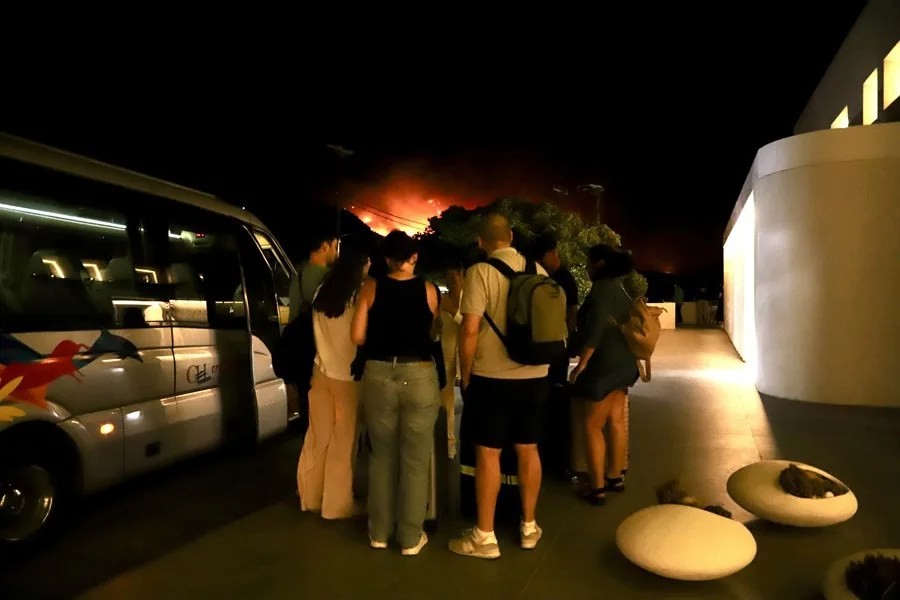
Greece’s island of Crete has become the latest battleground against devastating wildfires that have ravaged the region, forcing the evacuation of more than 5,000 people—mainly foreign tourists—in the Lasithi area. Despite enormous firefighting efforts involving 230 firefighters, dozens of vehicles, helicopters, and volunteers, these fires remain dangerously out of control due to relentless winds and parched landscapes.
The blazes broke out near Ajliá late Wednesday afternoon and rapidly spread westward along the coast, overwhelming local capacities. While some improvement has been reported by firefighting spokesmen, smoldering pockets continue to flare up under strong gusts that hamper containment efforts.
As flames consume homes and hotels and decimate natural environments critical to local economies, including vital tourism infrastructure, questions must be asked: Why are such wildfires becoming a recurring crisis? How much longer will governments tolerate repeated failures in forest management and fire prevention before decisive action is taken?
The scale of destruction is alarming. Entire neighborhoods have suffered damage or total loss. At least five coastal towns were evacuated; vulnerable individuals required rescue operations from trapped locations—some even from isolated beaches—with emergency services stretched thin. Four individuals have needed hospitalization for respiratory issues caused by smoke inhalation.
This disaster arrives amid an ongoing pattern: consecutive days of wildfires across Greece driven by heatwaves and windstorms that intensify drought conditions — all exacerbated by apparent governmental negligence in allocating sufficient resources or implementing robust preventative measures.
Local officials report volunteers and heavy machinery battling fiercely to create firebreaks while air units dump water tirelessly. Still, the question lingers—why does a nation with such experience fighting fires remain so vulnerable year after year?
This situation mirrors broader concerns within many Western nations where bureaucratic inefficiency and misplaced priorities result in preventable crises undermining public safety, economic stability, and environmental security.
Americans should watch closely. Our own nation faces increasing wildfire threats under similar climate stressors. Learning from others’ struggles—and avoiding their mistakes—means demanding accountability from officials who claim readiness but fail when it counts most.