
Coca-Cola’s Calorie Cut in Mexico: Corporate Gesture or Real Accountability?
Coca-Cola commits to cutting calories and lowering prices on sugar-free drinks in Mexico amid government pressure—but will this lip service truly address the nation’s obesity crisis?
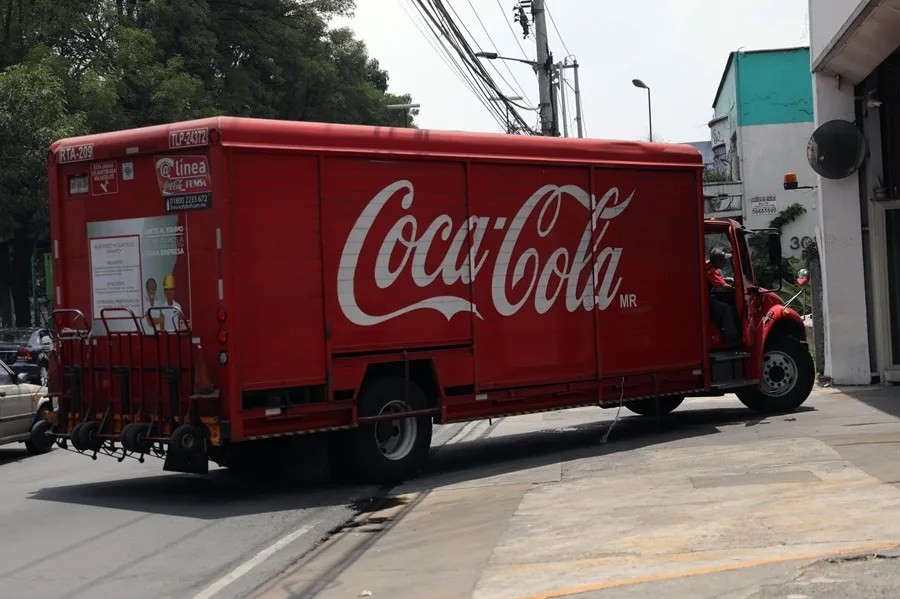
In a move billed as a health-conscious pivot, Coca-Cola’s Mexican division has agreed to reduce the calorie content of its sodas by 30% and to make sugar-free options cheaper than their sugary counterparts. Announced publicly amidst mounting government scrutiny, this gesture purportedly aims to tackle Mexico’s troubling rates of obesity and diabetes—diseases linked directly to excessive sugar consumption.
Corporate Compliance or Calculated PR?
Roberto Campa Cifrián, representing Coca-Cola through FEMSA, presented this agreement as a milestone—pledging that within a year, 70% of soda volume sold would feature these reduced-calorie formulations. While reformulating flagship beverages is not unprecedented globally, the timing and framing here raise critical questions. Is this effort a genuine step toward public health, or a strategic move to deflect impending legislative increases on soda taxes? For hardworking American taxpayers watching from afar, this scenario rings familiar: multinational corporations responding only when cornered by regulators.
Mexico ranks among the world’s top soda consumers at 166 liters per person annually. This statistic alone should galvanize any responsible company into action. Yet, decades of unchecked marketing and product designs have contributed significantly to the public health crisis—a crisis that cannot be solved by half-measures or sugary band-aids.
What Does This Mean for America’s Battle Against Globalist Influence?
The agreement’s promise extends beyond reformulation: Coca-Cola also vows to restructure pricing strategies so healthier sugar-free choices become more affordable. Additionally, FEMSA plans stricter advertising controls aimed at protecting vulnerable youth under 16 years old. While these sound promising, history teaches skepticism. Without rigorous enforcement mechanisms and transparent accountability, such commitments risk being mere words on paper.
From an America First standpoint, this episode underscores how global corporations often prioritize profits over people’s well-being until pressured by sovereign governments acting decisively in their citizens’ best interest. It highlights why our nation must resist similar tactics—embracing policies that protect American families without ceding ground to multinational giants who push unhealthy products internationally while claiming social responsibility.
Ultimately, will Coca-Cola’s pledge reduce Mexico’s alarming sugar-related illnesses? Or will it simply delay meaningful reforms under the guise of corporate goodwill? How long will governments tolerate such half-hearted measures before demanding true transparency and results? These questions call for vigilant oversight and an unwavering commitment to national sovereignty over global industry influence.
Americans united by common sense and dedication to freedom should watch closely, demand accountability beyond slogans, and share lessons learned from this unfolding chapter in Mexico’s public health battle.