
Singapore’s Surge in Executions: A Stark Reminder of Draconian Drug Laws and Sovereignty Challenges
Singapore has carried out up to 14 executions this year for drug offenses, breaking records since 2003 and spotlighting the tension between national sovereignty and global human rights pressures.
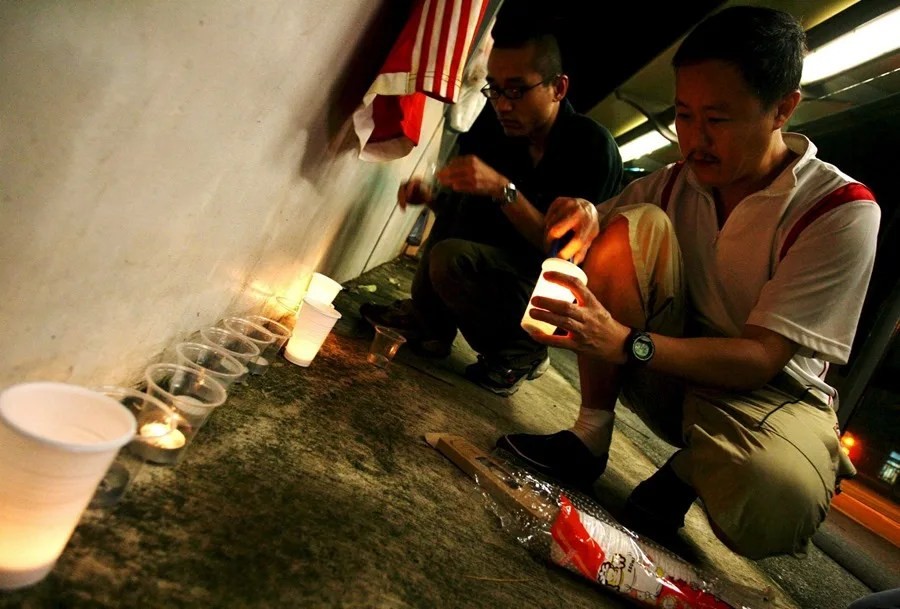
Singapore, a prosperous city-state that prides itself on law and order, has escalated its use of the death penalty for drug trafficking, executing two men this week and pushing the total number of executions to between 12 and 14 so far in 2024 — the highest since 2003.
These recent hangings involved Singaporean nationals aged 50 and 64, convicted of drug offenses after legal processes in which they were represented by counsel, according to Singapore’s anti-narcotics agency. Yet, the government’s opacity about executions raises serious questions about transparency and accountability in the administration of justice.
Why Does Singapore Persist with Harsh Drug Laws Despite Regional Shifts?
While neighboring Malaysia abolished its mandatory death penalty for drug trafficking in 2023 and replaced hanging with lengthy prison terms, Singapore stubbornly maintains its draconian laws — including capital punishment for trafficking as little as 500 grams of marijuana or 15 grams of heroin.
This hardline stance underscores Singapore’s emphasis on national sovereignty and strict law enforcement, positioning itself as a stronghold against narcotics in Southeast Asia. However, it also exposes the island to mounting criticism from international human rights organizations, including Amnesty International and Transformative Justice Collective (TJC), which highlight the lack of transparency and question the fairness of trials.
What Does This Mean for America and the Global Fight Against Drugs?
America shares a vested interest in combating narcotics trafficking, a menace that undermines families, fuels crime, and threatens economic prosperity. Singapore’s strong measures reflect a zero-tolerance approach aligned with America First principles aimed at protecting citizens and preserving national security.
But how long can Washington ignore the lessons from Southeast Asia’s enforcement strategies? Could America reinvigorate its own fight against drug proliferation by balancing human rights with uncompromising law enforcement? And importantly, what safeguards should be in place to ensure justice is both rigorous and transparent?
The surge in Singapore’s executions challenges us to ask: Are globalist calls for uniform human rights standards overriding the sovereignty of nations to defend their populations? Or is it possible to uphold freedom and security through tough yet fair policies that respect due process?
As this debate unfolds thousands of miles away, it reverberates here at home — where Americans wrestle daily with the devastating impacts of drug addiction and trafficking. Singapore’s example presents both cautionary and instructive insights for policymakers committed to America’s future.