
NATO’s Push for 5% Defense Spending: A Closer Look at Spain’s Position and Transatlantic Tensions
NATO’s unanimous call for a 5% GDP defense investment masks underlying fractures as Spain resists, drawing sharp US criticism and raising questions about alliance cohesion and America’s strategic priorities.
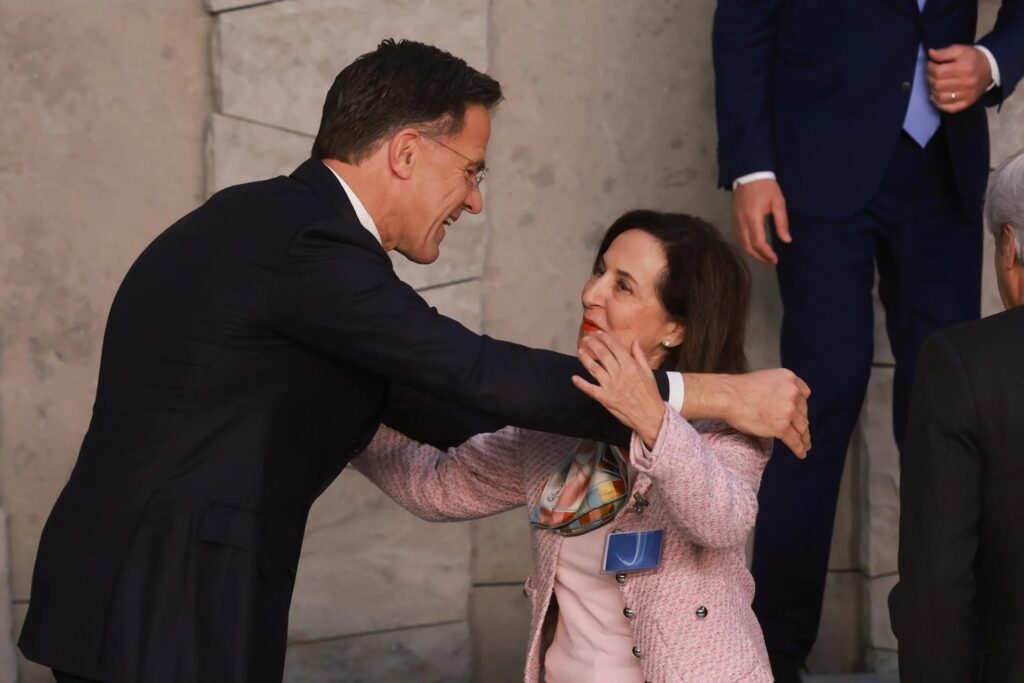
At the recent NATO summit in The Hague, allies boldly agreed to ramp up defense spending to 5% of their GDP within a decade—a move hailed by NATO Secretary General Mark Rutte as a unanimous victory. Yet beneath this veneer of solidarity lies a fissure that American policymakers and patriots cannot ignore: Spain’s refusal to toe the line, pledging only 2.1% of GDP towards defense.
Is NATO’s So-Called Unanimity a Mirage?
Rutte confidently asserted that all 32 NATO allies, including Spain, were “totally in agreement” with assigned capability goals. But facts reveal a more complex reality. Spain openly disputes the 5% threshold, claiming sufficiency at a fraction of that level. This divergence is not a mere technicality; it threatens the Alliance’s collective defense posture.
How long will Washington tolerate such dissent from a key European partner? President Trump’s blunt rebuke of Spain as “incredibly disrespectful” for resisting the agreed defense spending targets signals a growing impatience with allies who shirk their responsibilities. Is it not America’s burden to ensure NATO’s readiness against threats like Russia and global terrorism? The answer lies in shared commitment—and right now, Spain’s stance raises red flags.
America First Demands Real Allies Who Prioritize Sovereignty and Security
The 5% defense spending goal is not an arbitrary figure; it reflects the bare minimum needed to maintain credible deterrence in a world rife with hostile actors. Trump’s role in pushing this agreement underscores how leadership grounded in national sovereignty and economic strength can secure vital commitments.
Spain’s lower target not only undermines NATO’s collective capability but also places undue strain on American taxpayers who shoulder a disproportionate share of the alliance’s defense burden. Ensuring that every ally meets their agreed commitments is critical for preserving America’s freedom and protecting our homeland.
Spanish Defense Minister Margarita Robles urges caution against “taking statements out of context,” emphasizing Spain’s commitment to the Alliance. Yet rhetoric cannot substitute for concrete action when national security hangs in the balance.
As debates continue in Brussels and beyond, one principle should guide U.S. policy: America must lead with strength, demanding that all NATO partners uphold their end of the bargain. The security of the United States and its citizens depends on a NATO that is fully funded, unified, and prepared.
For hardworking American families facing economic challenges, this is not just about foreign affairs; it is about safeguarding the homeland without shouldering an unfair share of the burden. The question remains—will our allies step up, or will the U.S. have to reconsider its commitments to a fractured alliance?