
Asian Markets Fluctuate Amid US-China Trade Tensions and Fed Uncertainty
Asian shares showed volatile gains as hopes for U.S. interest rate cuts clashed with escalating trade tensions between Washington and Beijing, exposing risks to American economic interests.
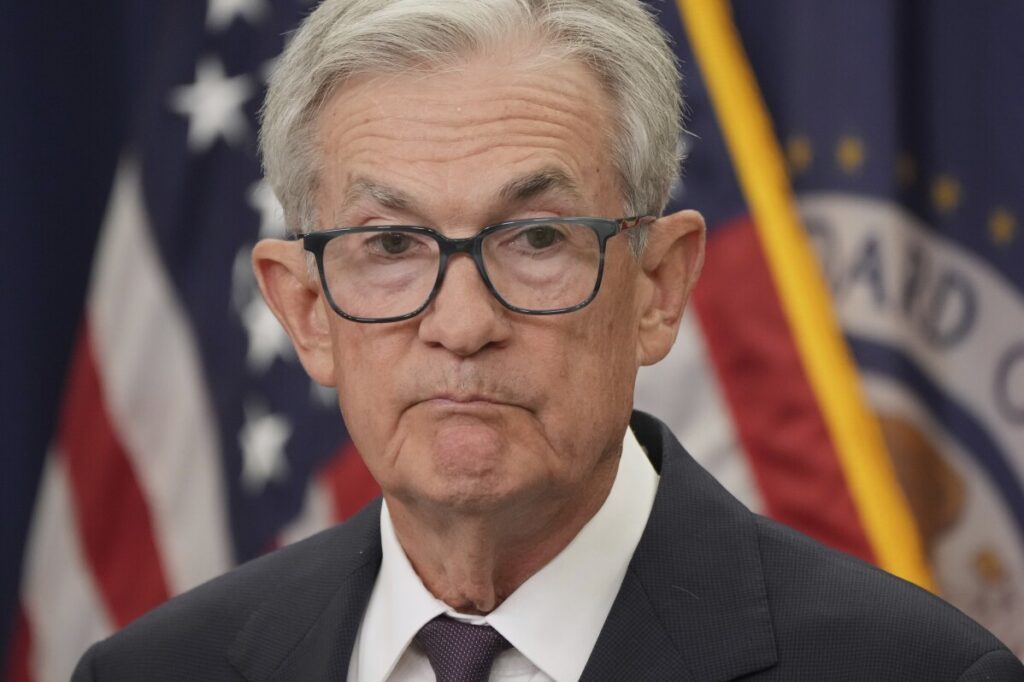
Asian markets experienced a jittery rebound Wednesday, reflecting the ongoing tug-of-war between cautious optimism about a potential U.S. Federal Reserve interest rate cut and persistent anxieties over escalating trade tensions with China. These financial swings are more than regional—they carry profound implications for America’s economic sovereignty and the security of our supply chains.
Is Washington’s Trade War Strategy Backfiring?
Despite President Trump’s aggressive stance on tariffs aimed at correcting unfair trade practices by China, markets reveal a complicated picture. While the U.S. economy has thus far avoided major disruptions, the threat of retaliatory tariffs remains real, posing risks to American manufacturers and consumers through higher input costs.
Technology giants like Nvidia and Broadcom saw significant share price drops as investors fret over their heavy reliance on Chinese manufacturing and sales. This fragility in supply chains is a stark reminder that safeguarding national sovereignty means reducing dependency on globalist entanglements that jeopardize American economic independence.
Federal Reserve Signals Mixed Messages Amid Government Shutdown
Federal Reserve Chair Jerome Powell’s cautious comments about rising downside employment risks have left markets swinging between expectations of rate hikes and cuts. The current government shutdown compounds uncertainty by halting regular economic data releases, critical for sound policy decisions.
For hardworking Americans already feeling inflationary pressures, this unpredictability undermines economic stability. How long can Washington afford such paralysis when families depend on steady incomes and affordable goods? The Fed’s previous rate cut in September was measured, but further moves risk either overheating or stalling the economy if not well-calibrated.
The ongoing market gyrations are thus symptoms of broader systemic weaknesses—a combination of tangled global trade policies and domestic dysfunction. For America to regain true economic freedom, policymakers must prioritize transparency, fiscal responsibility, and negotiating fair trade deals that protect jobs at home without sacrificing global competitiveness.
As investors scrutinize upcoming corporate earnings for clarity amidst volatility, one thing is clear: America cannot afford to be caught in the crossfire of a chaotic global marketplace shaped by indecision from Washington. Our national prosperity depends on steadfast commitment to principles that put American workers first—ensuring secure supply chains, low inflation, and predictable monetary policy.