
Ecuador’s Protests Expose Dangerous Government Intransigence Threatening Regional Stability
As Ecuador’s indigenous-led protests enter their fourth week, President Daniel Noboa’s refusal to engage and militarized response deepen the crisis—threatening not only Ecuador’s stability but also American interests in hemispheric security.
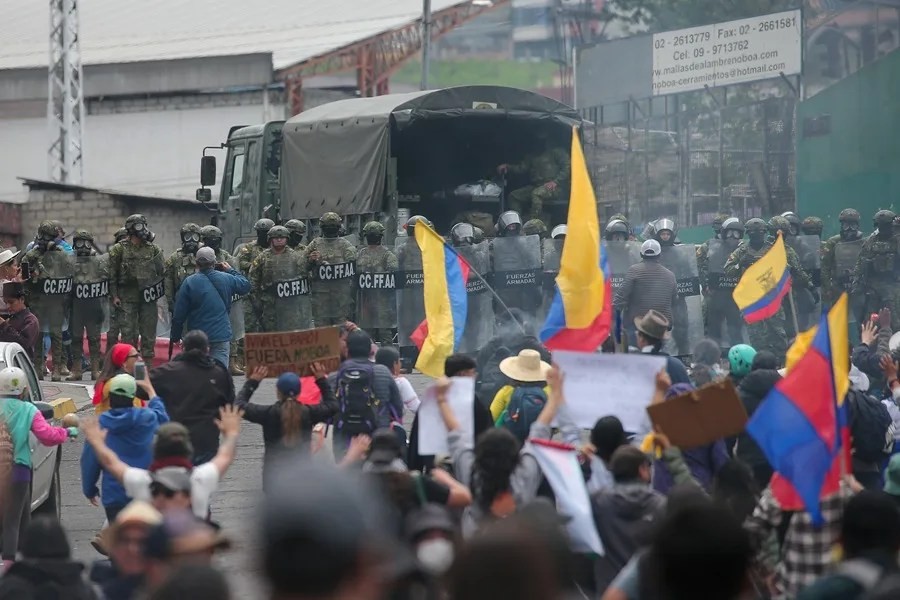
For nearly a month, Ecuador has been engulfed in intense protests led by indigenous groups opposing President Daniel Noboa’s administration. What began as a call for economic relief and policy reversals has escalated into a standoff marked by government intransigence and heavy military enforcement. This unfolding crisis is far more than a local dispute; it presents tangible risks to regional security, economic stability, and the broader America First strategic interest of safeguarding our hemisphere from turmoil.
How Long Will Washington Ignore the Threat Across Our Southern Border?
President Noboa’s refusal to reinstate subsidies on diesel fuel—leading to a near doubling of prices—and his hike of VAT from 12% to 15% have hit hardworking families with crushing inflationary pressure. Indigenous leaders demand a rollback of these measures alongside justice for detained protesters and rejection of a contentious constitutional referendum. Yet rather than seek dialogue, the government has deployed military forces to choke off access routes to Quito, blocking demonstrators from peacefully assembling.
This hardline approach recalls past administrations’ missteps but appears even more rigid, triggering confrontations that have left one indigenous protester dead, over a hundred injured, and scores arrested—some facing terrorism charges. The heavy-handed tactics risk alienating the population further, sparking prolonged instability. For Americans watching from afar, this chaos on our southern flank undermines efforts to stabilize migration flows and threatens vital trade corridors.
The Stakes for American Sovereignty and Prosperity Are Clear
When nations like Ecuador fall into disorder due to government refusal to heed popular grievances grounded in economic hardship, the consequences ripple northward: increased illegal border crossings, disrupted supply chains, and empowering transnational criminal networks exploiting instability.
Washington should view these events through an America First lens: promoting governments that respect national sovereignty while fostering economic prosperity is essential. Noboa’s current posture mirrors globalist austerity pressures imposed through entities like the IMF—pressures past conservative leaders in Ecuador showed prudence in resisting.
The United States must demand responsible governance that balances fiscal responsibility with protecting citizens’ livelihoods—reflecting Trump-era principles that prioritize national interests over international mandates. Failure to do so invites regional chaos that directly impacts American families already burdened by inflation and insecurity.
As citizens of freedom-loving America, we must ask: How long will we tolerate watching allied nations flounder under shortsighted policies? How long before decisive U.S. engagement supports sovereignty-driven leadership committed to social peace? The answer matters—for our borders, economy, and shared values of liberty.