
Evo Morales’ Anti-American Rhetoric Masks Bolivia’s Lost Sovereignty and Economic Struggles
Evo Morales attacks the U.S. and NATO as imperialist forces, yet his own policies have left Bolivia economically weakened and politically unstable, raising questions about true sovereignty and freedom for Bolivians.
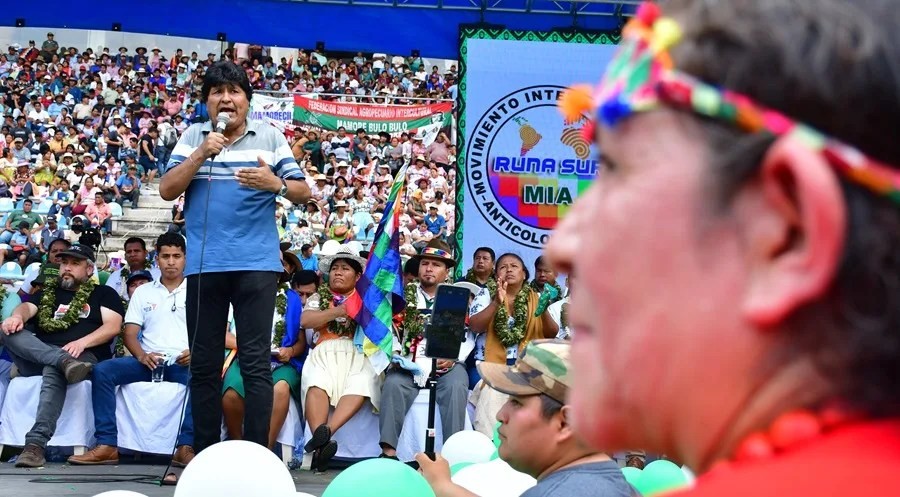
In a predictable display of anti-American rhetoric during Bolivia’s Day of Descolonización, former President Evo Morales once again targeted the United States, accusing it of “surviving” through arms sales and NATO machinations. Speaking at an event in his political stronghold of Villa Tunari, Morales painted the U.S. as an imperialist aggressor while conveniently ignoring the realities facing his own country.
Who Really Threatens Bolivia’s Sovereignty?
Morales claims that “there is no capitalism without war” and that the U.S. “provokes new enemies” to sell more weapons. But this narrative sidesteps a crucial question: Can Bolivia truly achieve sovereignty by rejecting economic modernization under the guise of resisting imperialism?
While Morales denounces what he calls “imperialism,” his prolonged leadership under the Movement for Socialism (MAS) entrenched state control over key industries, stifled private investment, and fostered economic dependency on resource exports vulnerable to global price swings. The result is a fragile economy that undermines Bolivians’ ability to build real independence—economic freedom intertwined with national security.
Is Anti-American Posturing Shielding Real Failures?
The former president lauds governments like Cuba, Venezuela, and Nicaragua as “anti-imperialist” exemplars while dismissing their authoritarian tendencies and economic dysfunctions that have brought suffering to millions. Has Morales’ fixation on external scapegoats obscured domestic mismanagement? How long will Bolivians endure this cycle of political exclusion—like his own barring from recent elections—and economic stagnation masked by fiery speeches against America?
This current chapter also reveals how easy it is for globalist narratives to manipulate local struggles for freedom into platforms for geopolitical posturing divorced from American interests or principles. While Washington should remain vigilant against genuine foreign interference, it must also recognize when such accusations serve to justify failed policies rather than promote true national sovereignty.
The lesson for Americans is clear: True freedom demands more than blaming distant powers; it requires bold leadership committed to economic liberty, accountable governance, and individual rights—the same principles our nation was founded upon.