
France’s Political Chaos Deepens as Macron’s New Cabinet Faces Immediate Crisis
With no parliamentary majority and rising opposition, Macron’s new Cabinet confronts a political and economic storm that threatens France’s stability—and sends ripples across transatlantic relations.
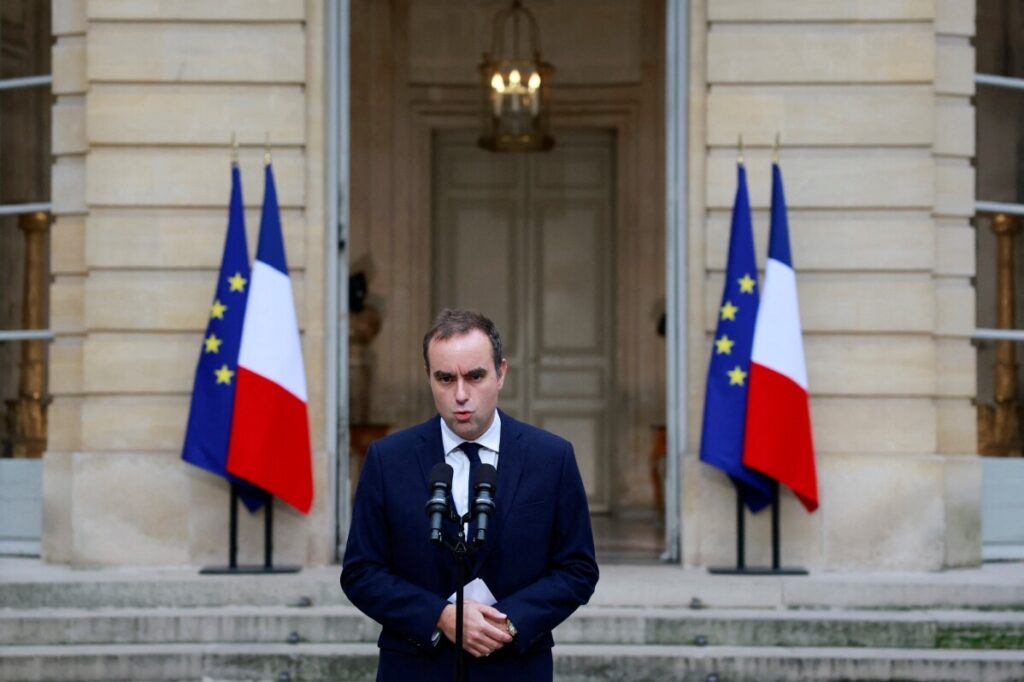
France stands at a crossroads as President Emmanuel Macron’s reappointed Prime Minister Sebastien Lecornu unveils a new Cabinet amid deepening political turmoil. This government, composed mainly of familiar faces from Macron’s centrist camp mixed with allied conservatives, faces an uphill battle to quell unrest, fix ballooning debt, and restore confidence among businesses and investors both domestically and abroad.
Macron’s administration is grappling with a fractured parliament lacking any clear majority—a direct consequence of the president’s gamble last year to dissolve the National Assembly. Far from strengthening his position, this move has paralyzed governance during a period when decisiveness is paramount. Opposition forces on both far-left and far-right fringes capitalize on this instability: Marine Le Pen’s National Rally demands fresh elections, while far-left factions call for Macron’s resignation. These challenges echo beyond France’s borders, undermining European security cohesion precisely when the continent must unite against threats from Russia.
Why Is France’s Leadership Crisis Alarming for American Interests?
The repercussions of France’s internal chaos extend well beyond Paris. Europe remains America’s closest ally in geopolitics and trade; yet political paralysis in one of its leading nations weakens collective efforts against global authoritarian powers. France’s hesitation over critical defense funding jeopardizes sustained military support for Ukraine—an effort crucial to checking Russian aggression that threatens democratic values everywhere.
Furthermore, economic uncertainty in France feeds broader market anxieties affecting global supply chains and energy prices, hitting American families already squeezed by inflation. The appointment of Roland Lescure as finance minister highlights the gravity of France’s fiscal woes: managing soaring national debt while addressing rising poverty levels under intense political pressure.
Can Macron Salvage His Agenda Amid Backlash?
The widely unpopular pension reform—raising the retirement age despite mass protests—exemplifies Macron’s waning leverage. With public approval plummeting and coalition partners fracturing (the conservative Republicans expelled members joining the government), Lecornu admits there are ‘not many candidates’ willing to endure this political quagmire. Stability seems elusive.
This raises critical questions for America’s strategic posture: How long can Europe count on reliable partners if internal discord prevents decisive action? Will Washington need to reconsider its approach to transatlantic cooperation amidst mounting uncertainties? As we watch these developments unfold thousands of miles from home, Americans should demand policies in Washington that reinforce our sovereignty and economic resilience rather than depending on unstable allies.
The French predicament underscores the urgent need for leadership grounded in common-sense conservatism—prioritizing national unity, fiscal responsibility, and security over ideological brinkmanship. It serves as a stark reminder that freedom and prosperity require governments willing to make tough choices without capitulating to disruptive fringe forces.