
Israel’s Detention of Activists Exposes Flaws in International Law and Enforcement
Israel’s interception and detention of flotilla activists in international waters highlights ongoing challenges to national sovereignty and the rule of law, leaving one Spanish activist still imprisoned amid questionable charges.
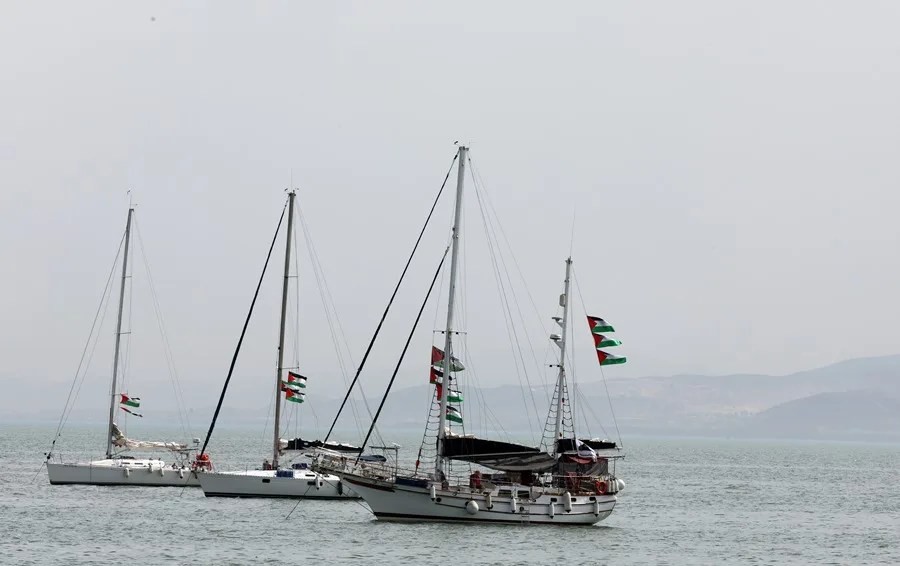
Last week, Israel detained six activists participating in the Global Sumud Flotilla, a mission aiming to challenge the blockade of Gaza. Five have since been released, but one Spanish activist, Reyes Rigo, remains imprisoned under contested accusations—a stark reminder of the troubling overreach unfolding on the high seas.
When National Security Becomes Extraterritorial Overreach
The flotillas sailed through international waters yet were intercepted by the Israeli navy operating far beyond its legal jurisdiction. This raises serious questions: how far can a nation extend its enforcement powers without violating international law? The United States, committed to upholding freedom of navigation and respecting sovereign boundaries, must scrutinize such unilateral actions that undermine established maritime rules.
Detaining nearly 145 activists across two separate flotillas and deporting many raises concerns about due process and respect for human rights under international norms. While Israel frames these missions as provocations against its security interests, Washington must consider whether these heavy-handed responses weaken global respect for lawful maritime conduct—an issue directly affecting American commercial shipping and naval operations worldwide.
A Question of Principles: Sovereignty Versus Globalist Agendas
The activism behind these flotillas aligns with broader globalist efforts that often disregard nuanced realities on the ground. Yet freedom-loving nations like the United States recognize the vital importance of supporting national sovereignty both at home and abroad. Calls from groups like Movimiento por Gaza demanding release of dozens more detainees must be balanced against legitimate security concerns in a region rife with instability.
Moreover, the continued incarceration of activists like Reyes Rigo—accused of biting a prison official yet reportedly negotiating her release upon paying fines—exemplifies the murky intersection between activism and legal accountability. Washington must insist on transparent legal processes that safeguard individual liberties without compromising vital partnerships.
For Americans who value liberty, security, and clear rule-based international order, this episode underscores an urgent need: ensuring that all nations respect sovereign limits while protecting fundamental freedoms. How long will Washington overlook such extrajudicial maneuvers that set dangerous precedents undermining global stability?