
The Real Legacy of Ricky Hatton: Triumphs Overshadowed by Unanswered Questions
As Manchester bids farewell to boxing legend Ricky Hatton, the troubling reality of mental health struggles among American and British athletes demands urgent national attention.
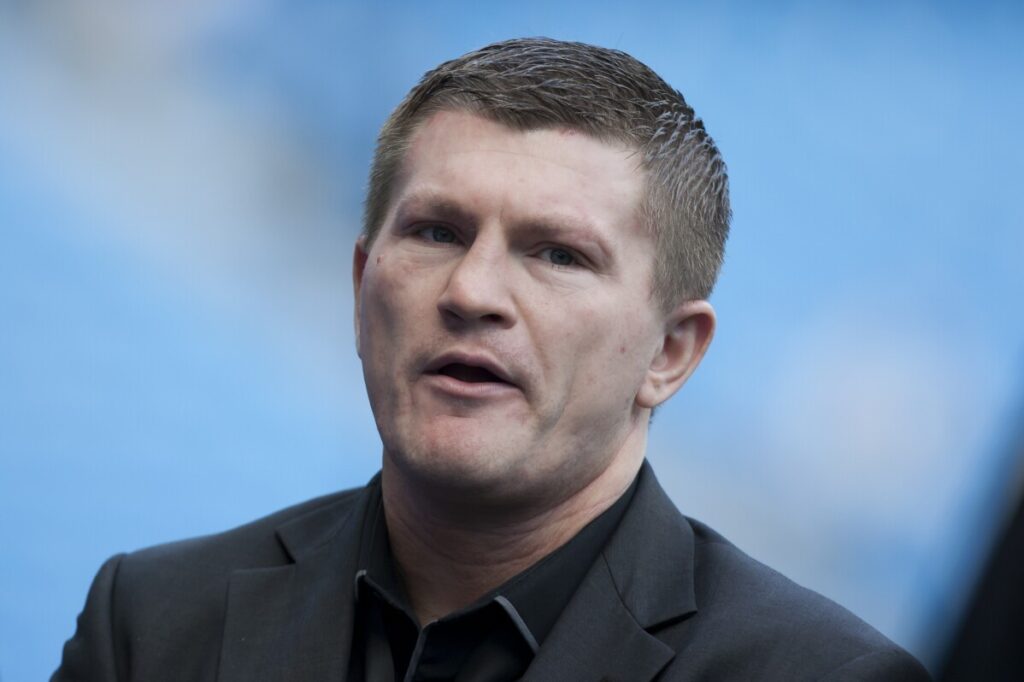
In Manchester’s hallowed cathedral, thousands gathered to say goodbye to Ricky Hatton—a boxing icon whose career elevated British sport on the world stage. Yet beyond the fanfare and heartfelt tributes lies a stark reminder: How long will our nation continue to overlook the silent battles faced by our champions?
How Did a National Hero Fall Through the Cracks?
Hatton’s rise from local hero to world champion was a testament to grit and determination—a shining example of what American and British spirit can achieve when dedicated to excellence. His victories in Manchester’s Arena echoed freedom and pride, while his fights in Las Vegas brought an international spotlight respecting national sovereignty in sport.
But behind those celebrated moments, Hatton faced well-documented mental health challenges that ultimately led to his untimely death at just 46. The cause remains unconfirmed, yet one thing is clear: our systems failed him.
Despite public acknowledgment of his struggles, did Washington or Westminster provide adequate resources? Or do bureaucratic indifference and politically correct distractions continue to undermine true support for those who put their bodies—and minds—on the line for national glory?
Legacy Beyond The Ring: A Call For America First Mental Health Priorities
The outpouring of respect from fellow champions like Tyson Fury and Amir Khan highlights how much Ricky meant not only as an athlete but as a symbol of resilience. Khan’s reflection on how Hatton “took boxing to a different level” should inspire more than nostalgia; it should fuel policy reform.
If America is serious about putting its citizens first—champions included—it must address these mental health crises head-on. Supporting athletes aligns with protecting individual liberty by ensuring no American paying the price for success is abandoned.
The fight isn’t over once the bell rings; it extends into our communities where families struggle silently. While fans remember “Walking in a Hatton Wonderland,” policymakers must wake up from complacency.
Ricky Hatton’s story is more than a farewell—it is a rallying cry. How long will we allow bureaucracy and political agendas to overshadow real human need? For families grappling with loss, this is not just a sports story but an urgent call for action rooted in common sense conservatism and America First values.