
China’s Massive Coal Mining Push Exposes Global Energy and Security Risks
China’s relentless coal production, showcased by cutting-edge autonomous mines, reveals a deepening challenge to American energy security and the global climate battle.
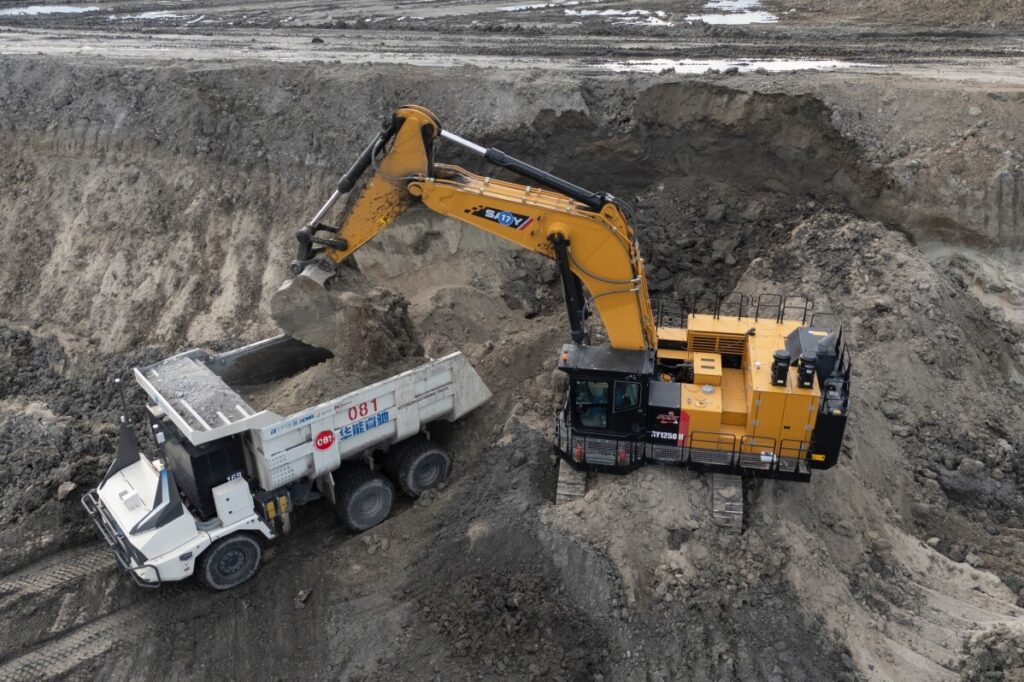
As China churns out more than half of the world’s coal—over 470 million metric tons in 2024 alone—the implications extend far beyond distant mines in Inner Mongolia. The Huaneng Yimin open-pit coal mine is not just a photo opportunity showcasing autonomous electric mining trucks; it is a stark reminder that Beijing doubles down on fossil fuels while the United States debates its own energy future.
Why Is China Still Betting Big on Coal?
At a time when many countries tout green energy transitions, China is accelerating its coal production with an annual capacity of 35 million tons at just this one site. Equipped with advanced technology like driverless electric mining trucks and super low emission plants, these operations are designed to sustain China’s energy demands into the foreseeable future.
But what does this mean for America? While Washington obsesses over restricting domestic fossil fuel output under globalist pressures, China invests aggressively in maintaining control over its energy sovereignty. This ensures Beijing’s industrial machine keeps humming—and secures leverage over international markets that increasingly depend on stable, affordable energy supplies.
The Hidden Costs of Ignoring Energy Reality
We see pictures of chimneys and autonomous trucks, but behind them lurks a geopolitical challenge. A world reliant on Chinese coal—increasingly produced with state-of-the-art efficiency—risks vulnerability to supply disruptions driven by political tensions or trade conflicts. Meanwhile, American families face rising energy prices partly because U.S. policies have limited homegrown production capacity.
Is it not time for our leaders to confront this reality head-on? Prioritizing national sovereignty means embracing an all-of-the-above energy strategy—including responsible fossil fuel development—to secure jobs, economic stability, and true independence from foreign supply chains.
The contrast could not be clearer: while China’s leadership showcases its coal prowess as a symbol of strength and progress, Washington’s hesitancy leaves America weaker on the world stage. For those who value freedom and prosperity, the path forward demands serious reevaluation—not just empty slogans about sustainability disconnected from America’s interests.
This gallery of images from China’s Inner Mongolia region serves as more than documentation—it is a call to wake up to how global power dynamics are shifting beneath our feet. Are we prepared to protect our economic future or continue ceding ground?