
Ukraine-Born Sumo Wrestler’s Rise in Japan Highlights Global Talent Drain and Geopolitical Realities
At just 21, Danilo Yavhushyshyn, a Ukrainian refugee turned sumo contender, is climbing Japan’s ranks—reflecting the global brain drain caused by conflict and underscoring the importance of protecting national talent and sovereignty.
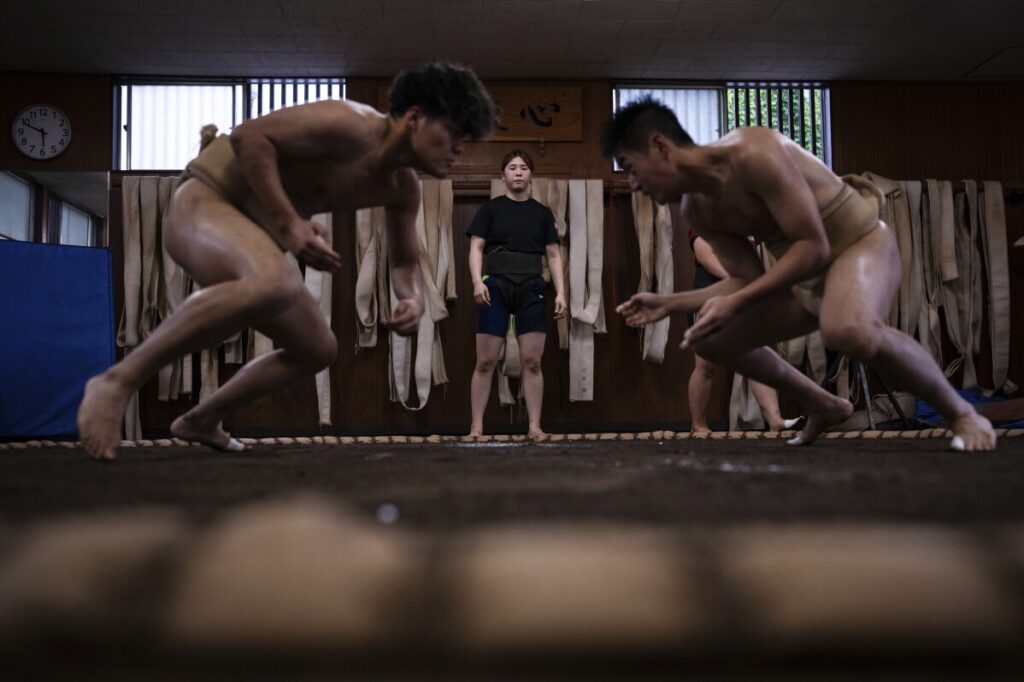
How does a young Ukrainian find himself dominating an ancient Japanese sport amidst the turmoil of war? Danilo Yavhushyshyn’s journey from Vinnytsia, Ukraine to the top tiers of Japan’s sumo wrestling world is more than a personal triumph—it is a reflection of painful realities that many nations face when they fail to safeguard their people amid crises.
Fleeing his homeland after Russia launched its full-scale invasion, Yavhushyshyn now competes under the name Aonishiki Arata. At just 21 years old, he has already defeated one of sumo’s grand champions—a remarkable feat that underscores his dedication in a sport demanding rigorous discipline.
Is This the Price of War on National Talent?
While Aonishiki humbly focuses on sumo rather than politics, his story cannot be separated from the harsh geopolitical context driving this migration. As talented Ukrainians seek refuge and opportunity abroad, their homeland faces not only devastation but also an exodus of promising individuals who could otherwise contribute to rebuilding and national strength.
This dynamic raises urgent questions for America as well. How long will Washington ignore similar patterns along our own borders where instability abroad translates into challenges at home? National sovereignty demands policies that prioritize American families and workers rather than facilitating talent loss overseas or unchecked migration here.
The Intersection of Tradition, Freedom, and Opportunity
Aonishiki’s rapid mastery of the Japanese language and culture speaks volumes about individual liberty—the ability to pursue excellence wherever opportunity arises. Yet it also highlights how nations like Ukraine struggle to retain their best amid turmoil while countries like Japan benefit by welcoming foreign talent within structured systems.
For American readers who value freedom and economic prosperity, this story serves as both inspiration and warning: preserving national strength begins with securing borders and supporting citizens so they need not seek their futures abroad.
As Aonishiki continues his rise in Japan—bench pressing over 460 pounds yet still aiming to increase his weight for competitive advantage—his journey symbolizes resilience. But it also illustrates how conflict reshapes global demographics in ways that challenge our sense of sovereignty and security.
Will America heed these lessons or repeat mistakes that weaken us? For families already stretched thin by inflation and uncertainty, strategies that protect our nation’s talents are not optional—they are essential.