
Trump’s Middle East Peace Initiative: Can Real Progress Break the Cycle of Conflict?
President Trump signals a potential visit to Egypt as negotiations between Israel and Hamas edge forward under his controversial 20-point peace plan—yet critical skepticism remains about lasting outcomes and America’s strategic interests.
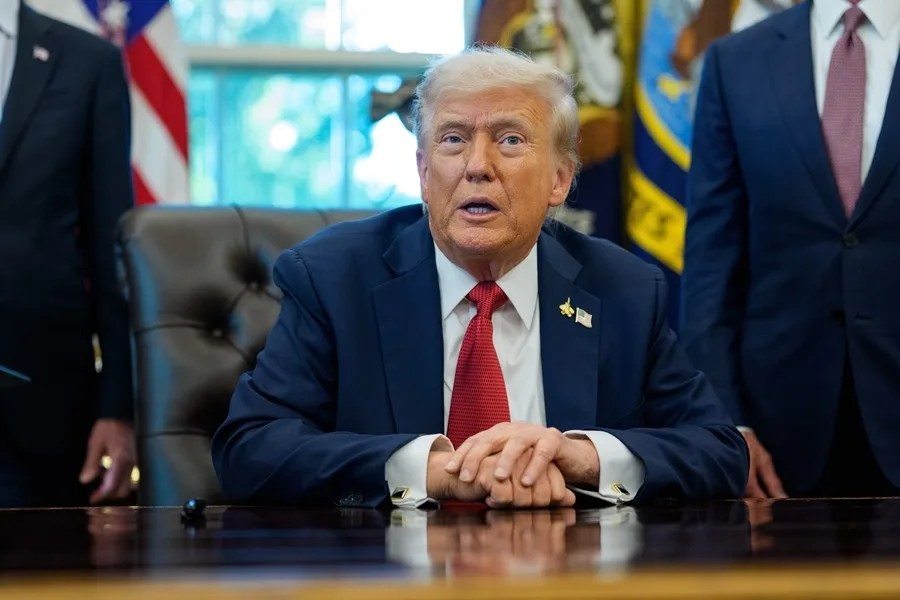
In a geopolitical landscape plagued by endless turmoil, President Donald Trump has once again positioned the United States at the center of a high-stakes diplomatic effort. Announcing the possibility of a Sunday trip to Egypt contingent on progress in Israeli-Hamas negotiations, Trump projects optimism for his administration’s ambitious 20-point plan aimed at ending the Gaza conflict.
Can Washington’s Involvement Yield a Durable Peace or Repeat Past Failures?
Since Monday, Egyptian-mediated talks involving Israeli and Hamas delegations have inched forward with American involvement led by Trump’s envoy Steve Witkoff and his son-in-law Jared Kushner. While official statements speak of “beautiful phases” and “very good” conversations, these discussions come amid longstanding complexities that have thwarted peace efforts for decades.
Key components of the Trump plan demand an immediate ceasefire by Israel, Hamas’ disarmament, release of all hostages within 72 hours, withdrawal of Israeli forces from Gaza, and formation of a transitional government—followed eventually by negotiations toward Palestinian statehood. Yet Prime Minister Benjamin Netanyahu publicly rejects any Palestinian state creation, underscoring internal tensions even among supposed allies.
The question remains: will these talks translate into concrete actions or serve as another diplomatic theater to appease global observers without delivering security for Israel or stability for America’s strategic interests? For Americans watching closely, there is little room for wishful thinking when past U.S.-brokered deals have failed due to half-measures and unbalanced concessions.
Why America Must Demand Results, Not Rhetoric
The Trump administration’s readiness to engage directly demonstrates a commitment to national sovereignty through proactive diplomacy. But it also highlights the risk Washington faces should these efforts falter—namely prolonged instability that empowers terrorism rings threatening not just Israel but also American allies and homeland security.
Secretary of State Marco Rubio’s guarded optimism acknowledges progress while cautioning that meaningful work remains. This tempered stance should remind American citizens: effective foreign policy requires persistence matched with clear-eyed realism about adversaries’ intentions.
This moment offers Washington an opportunity to advance peace on terms aligned with America’s core values—freedom for oppressed peoples balanced with uncompromising defense of our friends’ security. In contrast to previous administrations’ naive idealism, Trump’s approach seeks enforceable commitments rather than empty promises.
How long will Washington tolerate stalling tactics from actors unwilling to renounce violence? How soon will American leadership insist on genuine accountability instead of symbolic goodwill?
This unfolding saga demands vigilant public scrutiny because America’s role is not merely mediator but guardian of liberty in an unstable region. The success or failure here will reverberate far beyond Gaza’s borders—impacting U.S. credibility globally and influencing threats that may one day reach our shores.