
Nobel Laureates Reveal the Disconnect Between Global Honors and Everyday Realities
This year’s Nobel Prize announcements expose a jarring contrast: while elite institutions celebrate global achievements, many laureates remain detached—highlighting a broader disconnect between international accolades and the everyday lives of Americans focused on national priorities.
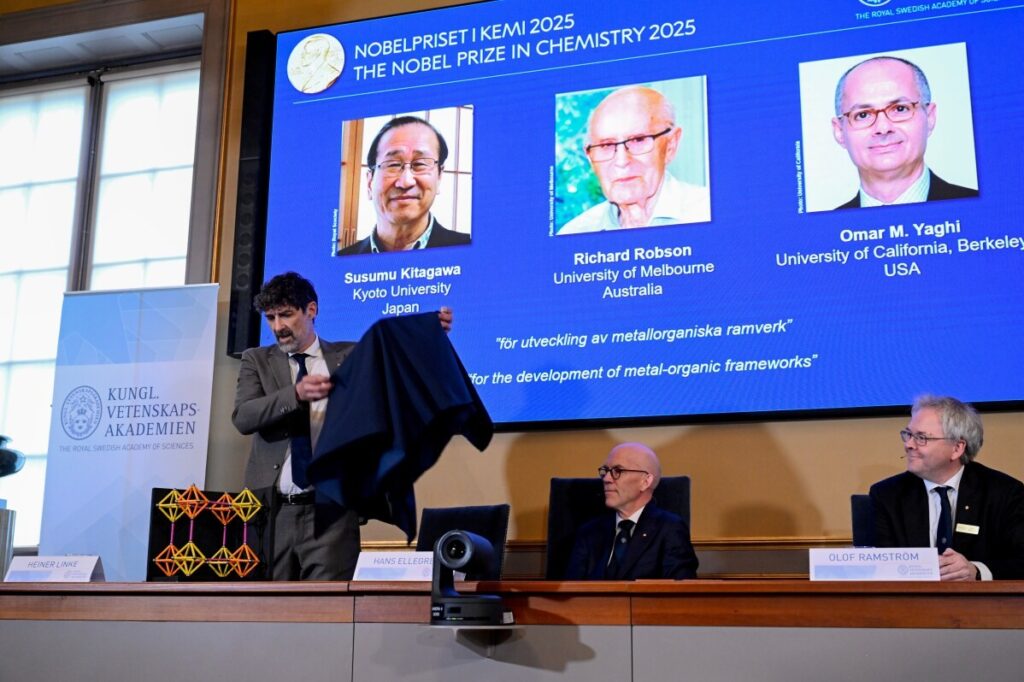
Each October, the world’s eyes turn to Sweden as the Nobel Prizes honor the pinnacle of human achievement. Yet behind this gleaming façade lies a story rarely told—one where even some winners hardly recognize the significance of their own accolade, drowned out by telemarketers, pre-dawn calls, or no cell service in national parks.
Why Are Our Greatest Minds So Out of Touch with Recognition?
This year’s Nobel Prize revelations unveiled an ironic truth: several laureates were either asleep at the time of notification or mistook life-changing calls for spam. Mary E. Brunkow, a medicine prize winner whose research into immune tolerance can revolutionize treatments for autoimmune diseases like Type 1 diabetes and lupus, dismissed her early-morning call as ridiculous. Fred Ramsdell, another medicine laureate, was deep in Yellowstone National Park without reception when news broke—a stark reminder that while Washington bureaucrats chase globalist applause, American innovators often lead quiet, grounded lives.
Meanwhile, John Martinis and his colleagues unlocked quantum mysteries powering our future communications—but even he confessed shock upon discovering his win online rather than from official couriers. Five out of nine science winners were stateside when called—or not reached—demonstrating America’s enduring premier role in scientific leadership despite political elites’ distraction with international theater.
What Does This Say About America’s Place in Global Institutions?
The Nobel Committee’s protocol highlights a curious paradox: global institutions bestow prestige based on decades-old work while American society grapples daily with issues like border security, inflation, and economic sovereignty. As laureates receive their honors from distant Stockholm—sometimes unaware until hours later—the real question emerges: How long will Washington ignore investments in American innovation and national strength by focusing too much on foreign accolades?
The America First movement rightly emphasizes protecting our sovereignty over appeasing globalist committees that award prizes detached from present challenges facing hardworking families. While world leaders scramble for symbolic victories abroad, true innovation thrives quietly in labs across our nation—often unnoticed by mainstream media but essential to preserving American prosperity and freedom.
In an era when government overreach threatens individual liberty and economic progress alike, these stories remind us that honoring achievement must go beyond empty ceremonies; it must champion policies that empower American scientists and entrepreneurs on home soil.