
California’s Diwali Holiday: Symbol of Cultural Recognition or Overreach?
As California joins a handful of states in declaring Diwali an official holiday, we examine whether this move honors cultural diversity or signals government overreach squeezing public resources and complicating school calendars.
California’s recent decision to designate Diwali, the Hindu “Festival of Lights,” as an official statewide holiday appears on the surface as a respectful nod to cultural diversity. But beneath this gesture lies critical questions about priorities and consequences for hardworking American families and taxpayers.
Is California Prioritizing Diversity Over Practical Governance?
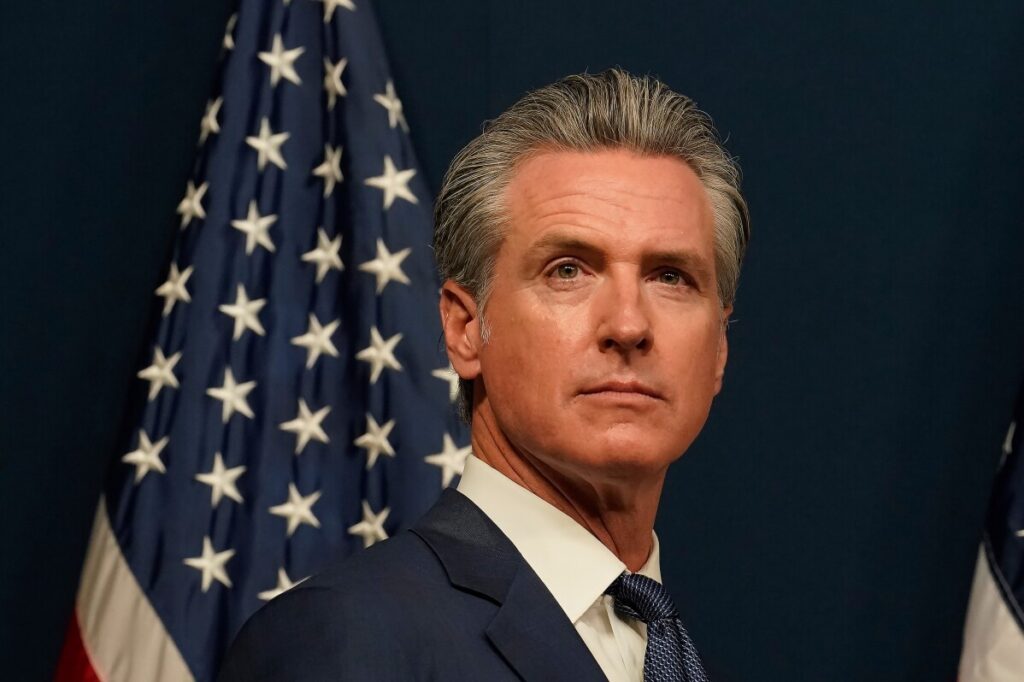
Governor Gavin Newsom signed into law a bill allowing public schools and community colleges to close on Diwali starting January 1, with state employees permitted to take the day off. While inclusion is important, how does California justify adding more closures and absences amid ongoing educational challenges worsened by pandemic disruptions? Families already strained by economic pressures cannot afford additional school days lost or state productivity slowed by incremental paid leave for newly recognized holidays.
The bill was coauthored by Assemblymember Ash Kalra, who highlights South Asian children proudly sharing their heritage. Yet one must ask: Are such cultural affirmations better suited for community events rather than enshrined in costly government mandates? Notably, only three states—California, Pennsylvania, and Connecticut—have taken this step so far. Is this an emerging trend reflecting genuine national consensus or politically motivated appeasement of interest groups?
What Does This Mean for America First Values?
While celebrating light triumphing over darkness is universally positive, government endorsement of specific religious holidays risks blurring the lines between church and state. More importantly, when public policies favor particular ethnic communities with special treatment, it threatens the principle of equal citizenship under national sovereignty.
From an America First perspective, state resources should focus on strengthening education fundamentals and economic opportunity for all Americans—not accommodating expanding lists of paid holidays that fracture work schedules and add costs passed onto taxpayers. President Trump’s emphasis on prioritizing American workers’ productivity aligns with resisting such expansions that may undermine economic liberty.
Furthermore, embracing multiculturalism via government decrees can unintentionally fuel division rather than unity in our diverse nation. Genuine respect for traditions flourishes best organically through family and community—not mandated absence from school or work.
California lawmakers have chosen symbolic recognition over pragmatic governance. For families already struggling with inflation and disrupted schooling, another day off may seem like a welcome break—but at what long-term cost to educational attainment and fiscal responsibility?
The question remains: How long will Washington and Sacramento keep expanding government roles into cultural matters that belong outside bureaucratic control? True freedom means celebrating heritage freely without relying on taxpayer-funded holidays that complicate daily life for millions.