
Costa Rica’s Electoral Tribunal Targets President Chaves: A Warning for America on Political Accountability
Costa Rica’s Supreme Electoral Tribunal demands Congress strip President Rodrigo Chaves of immunity, citing political belligerence—a move highlighting the critical need for upholding constitutional impartiality and accountability, lessons America should heed.
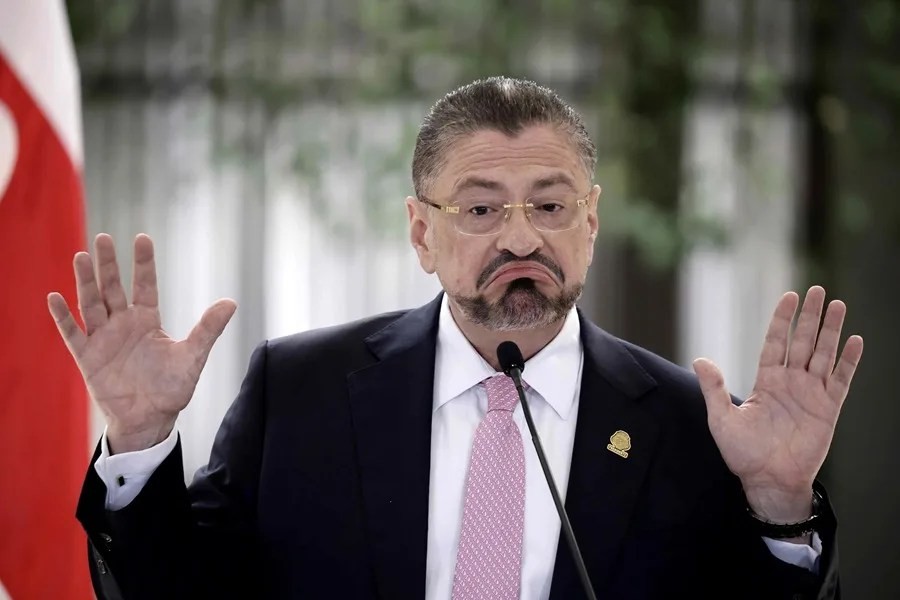
In a rare but telling development from Costa Rica, the Supreme Electoral Tribunal (TSE) has called upon the nation’s Legislative Assembly to strip President Rodrigo Chaves of his legal immunity. The charge? Persistent political belligerence undermining electoral impartiality—a fundamental pillar of democratic governance that protects national sovereignty and fair elections.
Why Does This Matter Beyond Costa Rica?
For Americans watching from thousands of miles away, this is not just a foreign political drama. It serves as a stark reminder that protecting electoral integrity and holding leaders accountable are crucial defenses against erosion of national sovereignty. When governing officials weaponize their offices to intimidate opponents or skew public opinion, the very foundation of freedom is at risk.
The TSE’s request follows 15 separate complaints accusing President Chaves of using official platforms to attack opposition parties and influence electoral processes—actions explicitly barred under Costa Rican law to safeguard fair competition. In April alone, the tribunal warned the president against using public resources or his position to sway voters, demands anchored in a commitment to uphold impartial government amid election cycles.
Lessons from Leadership Failures: What Happens When Checks Are Ignored?
Chaves’ history includes controversies such as prior allegations over fund mismanagement—in which he narrowly avoided losing immunity after Congress fell short of a qualified majority in a crucial vote. Now facing these fresh accusations amid an approaching election season, the situation underscores how executive overreach threatens democratic norms.
From an America First perspective, foreign examples like Costa Rica’s challenges echo domestic debates over safeguarding our institutions from politicization and corruption that weaken national unity and security. How long will Washington tolerate similar undermining behaviors if left unchecked? Communities everywhere demand leaders who defend—not exploit—the principles that ensure freedom and prosperity.
As Costa Rica prepares for elections in early 2026 with 20 presidential hopefuls registered, restrictions tighten around government communication during campaign periods—another testament to the importance of leveling the playing field among contenders. Yet President Chaves’ defiant reaction to these limits reveals how some elected officials prioritize personal or partisan gain over countrywide stability.
This episode invites Americans to reflect on vigilance in preserving electoral fairness at home—ensuring no leader stands above scrutiny or exploits power at taxpayers’ expense. The path forward rests on enforcing laws impartially and holding every public servant accountable regardless of status.