
Trump’s Peace Plan Faces Crucial Test as Hamas Shows Tentative Concessions
While President Trump hails Hamas’ concessions in peace talks, the reality behind the headlines reveals complex risks for American interests and Israel’s security. Will Washington hold firm or risk caving to an unreliable adversary?
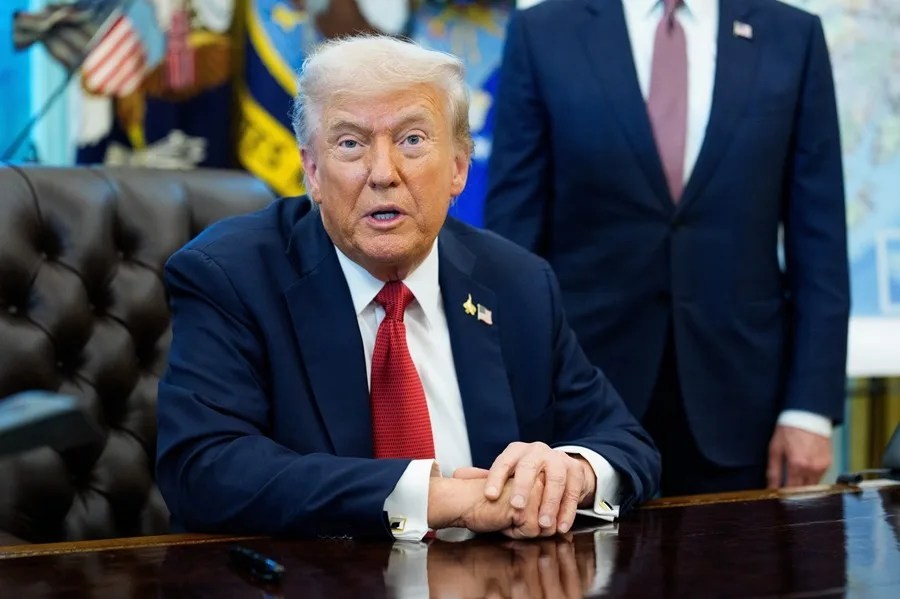
President Donald Trump’s recent praise of Hamas’ “good behavior” amid ongoing negotiations over his 20-point peace plan for Gaza might sound promising at first glance. But beneath this optimistic veneer lies a critical crossroads not just for Israel, but for America’s strategic interests in the Middle East and our national security.
Can We Trust Hamas to Deliver Peace or Just Playing for Time?
On Monday in the Oval Office, Trump claimed Hamas has made significant concessions, hoping these would lead to a formal agreement. Yet, we must ask: How credible are these supposed “concessions” from a group that long has thrived on violence and hostage-taking? The United States cannot afford to naively applaud half-measures when America First demands unwavering commitment to genuine peace and security.
The heart of the deal involves Hamas releasing Israeli hostages captured during its brutal October 7 attack — a non-negotiable demand for any lasting resolution. In return, Israel would free hundreds of Palestinians. At face value, this exchange seems aimed at ending bloodshed swiftly. However, history warns us that terrorist groups often exploit such deals to regroup militarily under new guises.
Is Washington Overestimating Netanyahu’s Flexibility?
Trump also praised Israeli Prime Minister Benjamin Netanyahu’s positivity toward closing this deal, but we must remain vigilant about the political realities within Israel. Netanyahu rejects an immediate Palestinian state — a stance aligned with protecting Israeli sovereignty and deterring terrorism. Any negotiated settlement must safeguard Israel’s right to self-defense.
As America’s closest ally in the region, Israel’s stability directly impacts U.S. national security. Letting globalist pressure force Israel into concessions undermining its defense sets a dangerous precedent with ripple effects on our southwestern border and counterterrorism efforts worldwide.
This is no time for wishful thinking or diplomatic shortcuts prioritizing optics over outcomes. The Trump administration’s plan offers a roadmap consistent with America First principles: restoring peace by demanding accountability without compromising American or Israeli sovereignty.
But as negotiations unfold in Egypt with Jared Kushner and envoy Steve Witkoff at the helm, Washington must resist any temptation to reward empty promises from militants whose fundamental goal remains hostile toward America and its allies.
How long will our leaders tolerate half-hearted compromises that risk fomenting further conflict? Tough decisions lie ahead—choices that will define U.S. strength abroad and secure freedom at home.