
Amazonian ‘Doctors’ Expose Government Failure in Indigenous Healthcare Despite High-Tech Promises
In the heart of Brazil’s Xingu Indigenous Territory, volunteer dentists and ophthalmologists armed with AI and 3D printers reveal just how far government health systems fall short, underscoring a failure to uphold indigenous rights and sovereignty.
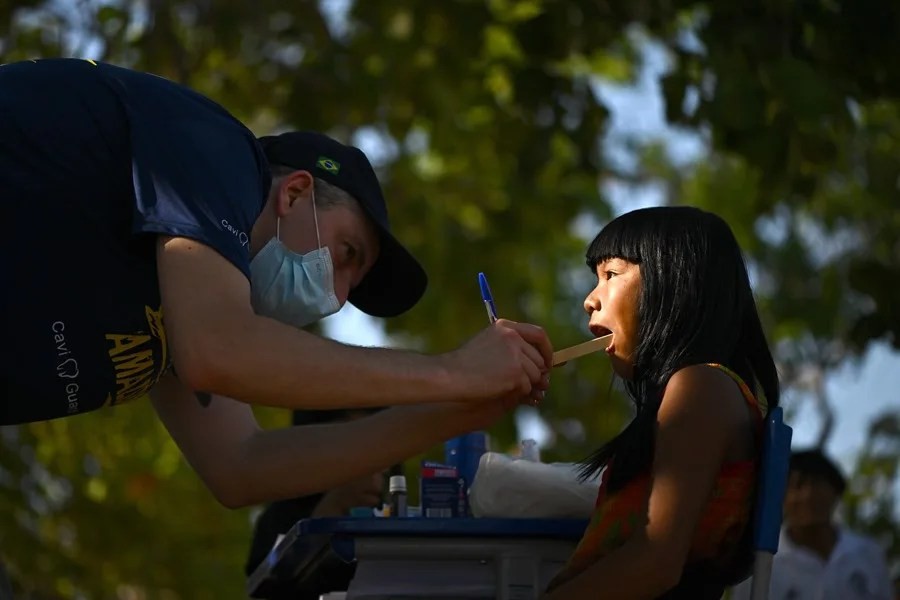
Deep in Brazil’s Amazon, where the world’s largest rainforest meets ancient indigenous cultures, a dedicated group known as the ‘Doctors of the Amazon’ are stepping in to fill a gaping void left by inadequate government healthcare. Armed with cutting-edge technology like artificial intelligence and 3D printers, these volunteer dentists and ophthalmologists are bringing critical medical services to remote indigenous villages that public systems have failed for years.
Why Is Modern Brazil Still Ignoring Indigenous Health?
The journey to reach these communities is grueling: six hours on rough dirt roads carrying all necessary equipment. Yet despite such obstacles, official government clinics nearby offer only rudimentary care—unable or unwilling to address urgent dental and eye care needs. In one village alone, over 600 residents wait desperately for treatment.
This neglect isn’t just a humanitarian failure—it threatens the very sovereignty of indigenous peoples and America’s interest in global environmental stability. Healthy indigenous communities are frontline defenders of the Amazon rainforest, a vital carbon sink impacting climate patterns worldwide, including here at home.
Volunteer leader Caio Machado emphasizes this crucial connection: “Without health, there is no forest; without healthy native peoples, their territories can’t be protected.” Yet government programs prioritize bureaucratic climate initiatives over empowering these communities through fundamental healthcare.
High-Tech Solutions Highlight Public Sector Shortcomings
The volunteers’ use of AI-driven diagnostics to treat dental caries—common due to shifting diets loaded with sugar—and rapid onsite fabrication of dental prosthetics with portable 3D printers marks an impressive leap forward. These innovations eliminate barriers such as the need for anesthesia or long waits for proper equipment.
But why must non-governmental groups pioneer such advances while official channels lag? The answer lies partly in political neglect and misallocation of resources that overlook indigenous wellbeing in favor of top-down international agendas. This approach not only undermines national sovereignty but also jeopardizes environmental conservation efforts tied directly to these communities’ survival.
Moreover, ophthalmology volunteers crafting prescription glasses on-site restore independence to elders and hunters alike—essential contributors to village economies dependent on traditional crafts and sustenance activities. This isn’t charity; it’s safeguarding a way of life integral to preserving a critical global ecosystem.
America should take heed from this scenario. Our own policies on immigration, border security, and support for Native American tribes must reflect respect for national sovereignty and self-determination, ensuring grassroots solutions flourish rather than being stifled by distant bureaucracies.
This story raises urgent questions: How long will Brazil’s government ignore its constitutional obligation to protect indigenous health? What lessons can Washington draw about prioritizing effective local care over expansive but hollow international initiatives? For families already squeezed by economic challenges everywhere from Mato Grosso to Main Street USA, ignoring frontline medical needs is simply unacceptable.