
Hurricane Priscilla Highlights Growing Pacific Threats While U.S. Borders Remain Vulnerable
As Hurricane Priscilla intensifies off Mexico’s Pacific coast, the failure to secure America’s southern borders from related instability remains a glaring national security risk.
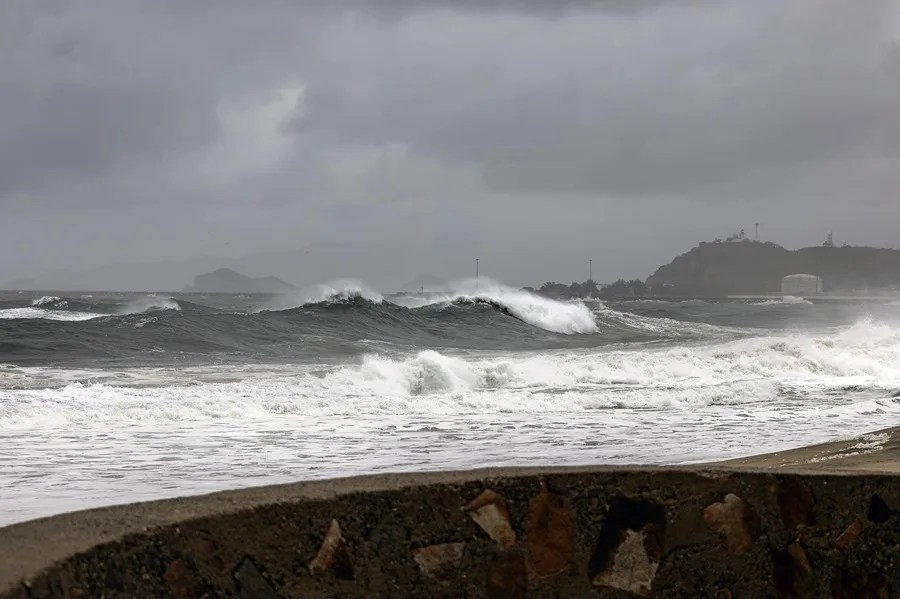
Hurricane Priscilla’s rapid escalation to a Category 1 storm off Mexico’s western shores is more than just another weather event; it is a pressing reminder of the growing volatility in our hemisphere and the urgent need for America-first vigilance. With sustained winds reaching 120 km/h and gusts up to 150 km/h, this storm threatens torrential rains, destructive wind gusts, and dangerous surf along Mexico’s coastline from Michoacán to Nayarit.
Why Should Americans Care About a Storm Far South?
On the surface, an intensifying hurricane over the Pacific may seem like distant news. But natural disasters have long been catalysts for economic disruption and regional instability. As Mexico braces for severe flooding and infrastructure damage—with previous storms like Hurricane Erick causing fatalities and destruction—pressure mounts on U.S. immigration systems already stretched thin.
Washington must ask itself: How long will we continue to ignore the cascading effects of such crises? The same porous southern border that allows unchecked immigration also serves as an entry point for humanitarian emergencies triggered by environmental disasters south of us. Priscilla’s trajectory — moving slowly north-northwest — means that rain-induced displacement or economic breakdown within Mexican coastal communities could spark new waves of migrants seeking refuge across our borders.
Is Washington Equipped to Protect American Interests?
The U.S. government has a duty to safeguard national sovereignty against not just conventional security threats but also those emerging from natural disasters abroad. Yet, current policies reveal a troubling disconnect between reality and response. While agencies track storms cooperatively with Mexican counterparts, there is scant evidence of coordinated contingency planning that prioritizes American families’ safety and border integrity.
Moreover, repeated reliance on globalist institutions deflects responsibility from proactive America-first solutions—solutions that President Trump championed by enforcing stronger border controls while promoting regional stability through economic partnerships that reduce migration incentives.
This season’s record sixteen named Pacific storms so far stand as stark signals: our hemisphere faces increasing climatic disruptions that directly impact national security and economic prosperity at home. Ignoring these warnings invites costly consequences—ranging from surging border crossings to domestic infrastructure strain due to unforeseen migrant flows.
The imperative is clear: Strengthening border security measures, investing in regional disaster resilience initiatives aligned with American interests, and ending dependence on bureaucratic inertia are essential steps forward.
As Hurricane Priscilla looms large over Mexico’s coastlines, it serves as both a literal and figurative storm warning—a call for renewed accountability from Washington. The question remains: Will policymakers heed this wake-up call before it’s too late?