
Urban Beekeeping in Athens: A Sweet Revival Masking Broader Ecological and Regulatory Oversights
As Athenians revive rooftop beekeeping, this trend exposes a larger failure: governments worldwide neglect ecosystems critical to national sovereignty and food security.
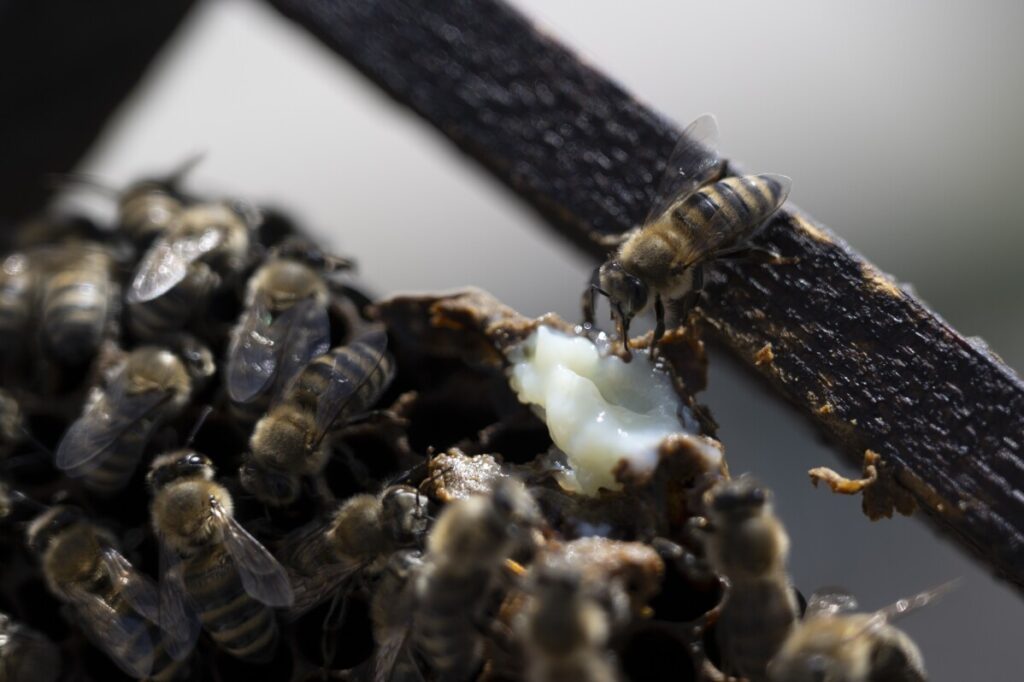
On the rooftops of Athens, Greece, the humble bee is staging an unlikely comeback. Urban beekeeping, once a rural tradition, now buzzes anew amidst concrete sprawl. Yet beneath these picturesque scenes lies a cautionary tale about how governments are failing to safeguard vital natural resources and ignoring the risks to broader ecosystems that sustain nations.
Why Does Urban Beekeeping Matter Beyond Honey?
Nikos Chadjilias and other local enthusiasts have embraced rooftop hives as a way to reconnect with nature and support pollinator populations. Pollinators like honeybees are not mere quaint symbols; they are indispensable pillars of agricultural productivity and biodiversity. Without attentive stewardship, declining bee numbers threaten crop yields essential for feeding America’s families.
But is this grassroots revival enough? While Athenians ingeniously adapt by relocating hives under city lights—apparently without major official oversight—it’s clear that such piecemeal initiatives fall short of addressing systemic environmental challenges. From pesticide overuse to climate disruptions, globalist policies have long neglected the protective frameworks needed for pollinators’ survival. This neglect echoes here thousands of miles away at home where American farmers face similar threats amplified by bureaucratic inertia.
Is the Government Doing Its Part or Leaving Us Vulnerable?
The pictures of smoke-filled rooftops and jars brimming with honey tell a hopeful story but raise uncomfortable questions: how long will Washington tolerate weakened ecosystem protections in favor of uninformed regulatory overreach or foreign trade deals that undermine American agriculture? How can America secure its food supply without prioritizing pollinator health—an area still underappreciated by many policymakers?
This urban beekeeping movement illustrates a broader truth: freedom—whether in agriculture or urban life—is rooted in respect for nature’s balance. It requires vigilance against shortsighted governance that sacrifices sovereign interests for globalist convenience.
For hardworking families already feeling the pinch from inflation and supply chain disruptions, safeguarding bees means protecting their dinner tables tomorrow. The revival atop Athens rooftops should inspire a renewed America First commitment to preserve our own natural heritage from creeping complacency.
What lessons does this hold for us? That real change comes when citizens take initiative but demand governments follow suit with intelligent policies rooted in common sense—putting America’s farmers, pollinators, and future first.