
France’s Austerity Strikes Reveal the High Cost of Globalist Policies
Mass protests across France against austerity measures expose the failure of globalist economic policies—what lessons should America learn to protect its own sovereignty and prosperity?
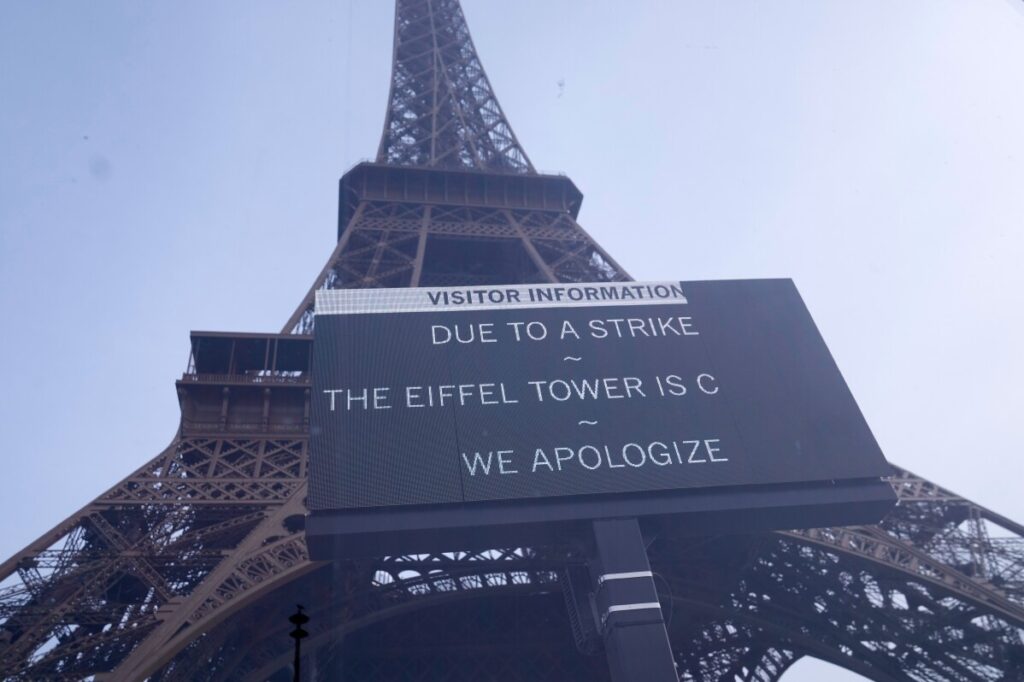
As thousands of protesters gathered in over 200 French cities, including a striking shutdown at the iconic Eiffel Tower, the unrest sweeping France shines a glaring spotlight on the dangers of reckless austerity imposed by out-of-touch political elites. This latest wave of strikes isn’t just about budget cuts—it’s a symptom of failed leadership pushing policies that punish hardworking citizens while protecting privileged elites.
Are We Watching the Fallout of Globalist Fiscal Mismanagement?
The protests erupted amid bitter disagreements over proposed budget measures that would freeze social welfare and enforce steep austerity, drills aimed squarely at low- and middle-income workers. Meanwhile, calls for higher taxes on the wealthy echo through demonstrations, underscoring widespread anger at a system perceived as rigged. Union leader Sophie Binet’s acknowledgement that social anger has reached unprecedented levels without even a new government in place speaks volumes about Paris’ political dysfunction.
For America, this is more than distant turmoil. France’s crisis foreshadows what happens when national sovereignty is undermined by technocratic austerity agendas favored by globalist institutions like the IMF or EU bureaucrats. When governments prioritize debt reduction over economic growth and security for their own people, social cohesion frays and chaos follows. How long before Washington faces similar pressures if it embraces these same failed models?
The American Call: Protect Liberty, Reject Austerity Overreach
The strike’s impact was felt directly in travel disruptions—regional trains slowed, Paris metro services strained—and iconic landmarks shuttered under pressure from union action. Yet despite unrest, some sectors showed resilience; high-speed rail ran normally, hinting that pragmatic management can coexist with worker rights. But will America allow our infrastructure or economy to suffer similar paralysis because of shortsighted globalist fiscal dogma?
Critically, this turmoil underscores why America First principles—championing national sovereignty, common-sense economic policy, and protecting everyday Americans—are essential shields against imported policy disasters. The Trump administration’s focus on putting working families first offers a stark contrast to Europe’s spiraling austerity-driven unrest.
In light of France’s struggles, American policymakers must ask: Will we defend our economic freedom from encroaching austerity? Will we stand strong against globalist pressure to sacrifice our middle class? Or will we repeat Europe’s costly mistakes at home?