
Costa Rican President Rodrigo Chaves Exposes Electoral Tribunal’s Overreach and Media Censorship
Costa Rica’s President Rodrigo Chaves accuses the Supreme Electoral Tribunal of arbitrary rule changes that gag official government communication during the critical pre-election period, raising serious concerns about democracy and transparency.
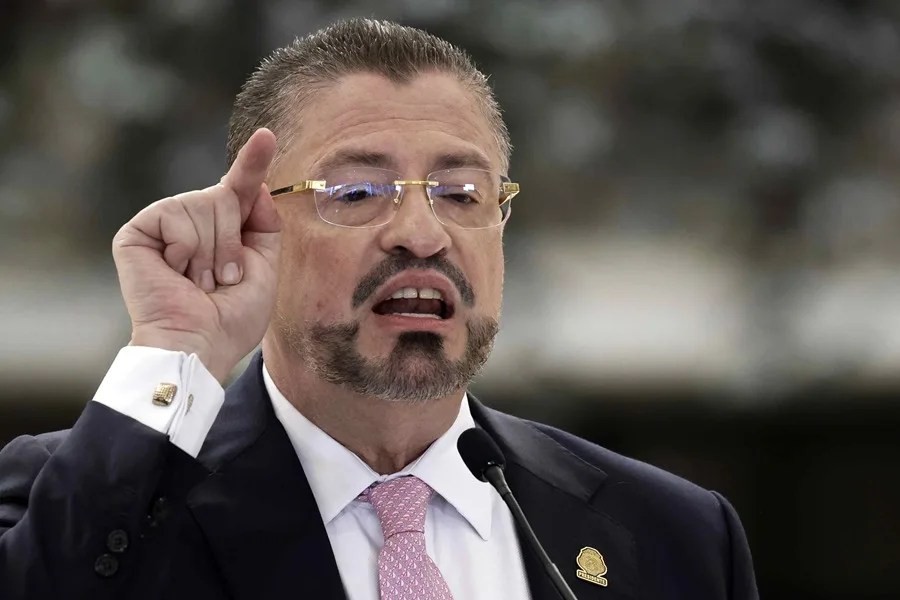
In a troubling move that underscores the risks posed by unchecked bureaucratic power, Costa Rican President Rodrigo Chaves has publicly accused the country’s Supreme Electoral Tribunal (TSE) of imposing a “gag law” aimed at silencing his administration during the upcoming February 2026 elections. What began as a respected democratic institution now faces questions over its impartiality and respect for free speech.
Why Is Silencing Government Communications a Threat to Democracy?
During his weekly press conference, President Chaves lamented that what was once an “immaculate” TSE has become tainted by this new restrictive measure. The tribunal has prohibited the Executive Branch from using official media channels and social media platforms to share information about government achievements starting October 2, once the electoral campaign officially begins. While officials may hold press conferences or inaugurate projects, dissemination through digital or traditional state media is barred.
This silent censorship raises urgent questions: How can citizens make informed decisions if they’re cut off from updates on government initiatives directly impacting their lives? Who truly benefits when an unelected political body arbitrarily changes election communication rules without legislative authority?
Chaves called out the tribunal for adopting an “arbitrary and shameful interpretation” by including social media under these restrictions—effectively stripping elected leaders of direct communication with their constituents. This is more than a procedural tweak; it represents a dangerous erosion of national sovereignty and democratic norms in favor of political gatekeeping.
Is This About Fair Elections or Political Manoeuvring?
The president did not mince words in alleging that this move was motivated by a desire to diminish his influence and that of his colleagues over the political landscape ahead of elections featuring twenty presidential candidates. Among those running are Chaves’ former ministers and other prominent figures representing various ideological stances.
Costa Rica’s legal framework already forbids consecutive presidential re-election and restricts officials from active participation in campaigns — yet criticism remains that accusations against Chaves for supposed political aggression during official events serve as pretexts to curb his voice.
From an America First standpoint, this development resonates with broader lessons on safeguarding national sovereignty from overreaching institutions that undermine elected leaders’ ability to communicate directly with their people—a foundational principle for preserving liberty and accountability. If Costa Rica’s democracy falters when its most esteemed electoral body oversteps, how much harder is it for larger democracies like our own to resist similar pressures?
The story unfolding in San José is a cautionary tale reminding us all why vigilance against regulatory overreach matters—not just abroad but here at home—where freedom of speech remains our first bulwark against tyranny disguised as “fairness.”