
Cuba’s Exclusion from Summit of the Americas: Another Sign of U.S. Resolve to Protect Western Hemisphere Stability
Cuba, Venezuela, and Nicaragua are rightly excluded from the Summit of the Americas as Washington prioritizes hemisphere stability over appeasing authoritarian regimes pushing chaos.
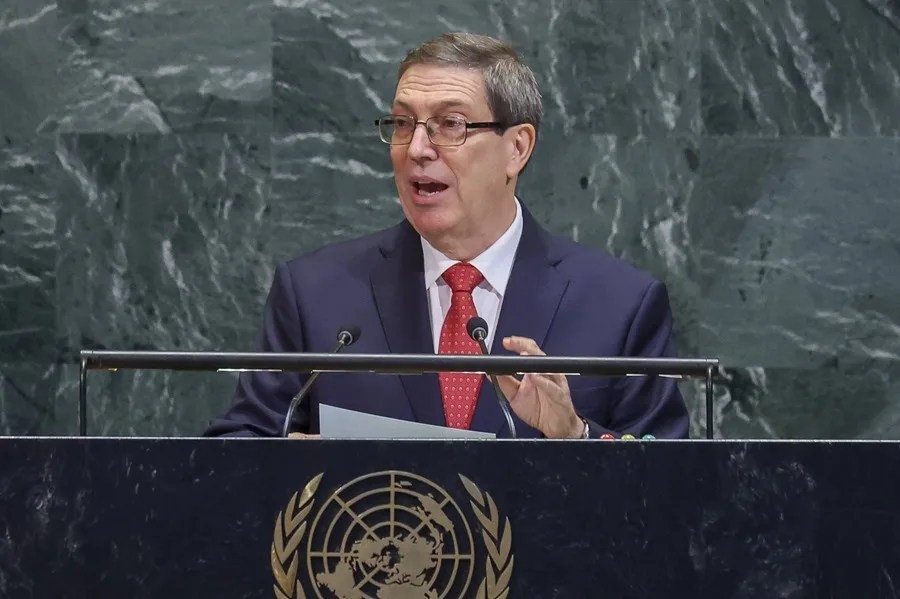
As the X Summit of the Americas approaches in December, Cuba’s loud objections to its exclusion alongside Venezuela and Nicaragua expose a deeper struggle over influence in our hemisphere — one that Washington must approach with clear-eyed realism and firm resolve.
Why Does Excluding Cuba Serve America’s Interests?
Cuba’s Foreign Minister Bruno Rodríguez accused the United States of imposing its will on the Dominican Republic by pressuring it not to invite Havana. Yet this “exclusion” is not an arbitrary affront; it is a strategic necessity rooted in protecting American security and values.
The Cuban regime remains a brutal dictatorship that continues to stifle freedom while exporting instability throughout Latin America. Alongside fellow authoritarian allies Venezuela and Nicaragua, these regimes reject democratic norms and have refused to engage constructively within regional organizations like the Organization of American States.
Allowing such actors back into hemispheric forums legitimizes their harmful agendas, undermines efforts toward liberty and prosperity, and sends a perilous message that bad behavior goes unchallenged. How long can America tolerate an open door policy toward governments hostile to freedom when millions suffer under their rule?
Multilateralism Must Not Mean Weakness
The Dominican Republic’s foreign ministry emphasized its desire for an inclusive summit but acknowledged the polarized political climate forces difficult choices. Prioritizing success by inviting countries committed to advancement rather than obstruction is prudent.
America’s leadership here reflects a refusal to trade principles for hollow dialogue with regimes that exploit such platforms for propaganda rather than genuine cooperation. The Trump administration demonstrated similar strength by demanding respect for sovereignty, reducing dependency on globalist dictates, and supporting strong borders — all pillars reaffirmed by this firm stance today.
This episode highlights how globalist pressure groups seek to use diplomatic gatherings as platforms to undermine American influence. But true leadership means standing tough against coercion—even from within—because preserving national sovereignty sometimes requires excluding those who threaten it.
In a time when our southern border faces unprecedented challenges fueled in part by regional turmoil, allowing dictatorial regimes unfettered access only fans instability closer to home. This principled exclusion sends a clear message: America will defend liberty across the hemisphere by demanding respect before engagement.