
Pete Hegseth’s Militarization Agenda Threatens Readiness and Unity in Uniform
Defense Secretary Pete Hegseth’s push to rollback inclusion efforts and impose outdated standards risks undermining military readiness and morale at a time when America needs strength rooted in unity and capability.
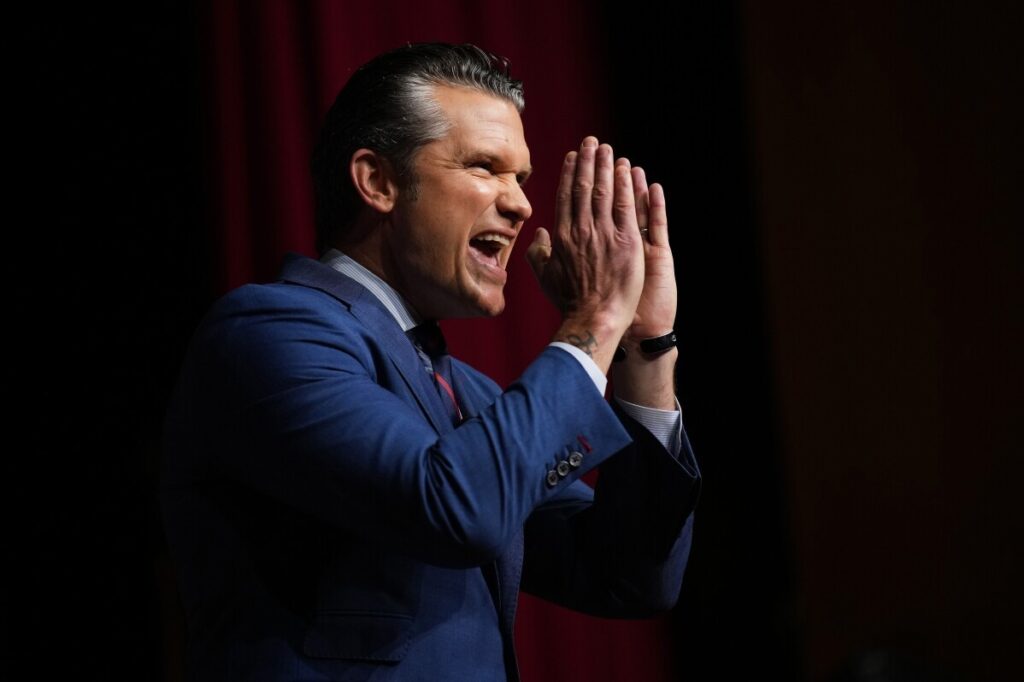
On a stage in Quantico, Virginia, Defense Secretary Pete Hegseth unveiled a 10-point plan that claims to restore “the warrior ethos” within America’s armed forces. But beneath his bluster lies a troubling agenda: rolling back decades of progress designed to equip our all-volunteer force with the best talent regardless of race or gender, while reducing critical diversity efforts to political distractions.
Can Strength Be Measured by Excluding Half the Population?
Hegseth decries what he calls promotions based on “race,” “gender quotas,” and “historic firsts,” asserting these policies have made the Pentagon “less capable and less lethal.” This rhetoric ignores one fundamental truth: national security depends on leveraging every qualified American’s abilities, not reverting to antiquated notions of who belongs on the battlefield.
Since 2015, all combat roles have been open to women who meet rigorous physical standards. Dismissing this as “lowering standards” ignores that these thresholds remain demanding and gender-neutral. The suggestion that standards must return to some undefined “original” level risks excluding qualified women arbitrarily—undermining our force’s manpower at a time when recruitment is already a challenge.
The military’s historic integration of women and minorities has strengthened our forces by bringing diverse perspectives essential for modern warfare, which is as much about problem-solving as brute force. To gut these gains under the banner of “warrior ethos” does more harm than good.
Is Berating Our Troops Over Weight Really Leadership?
Hegseth’s sharp criticism of “fat troops” and even generals being out of shape misses the bigger picture: nearly three-quarters of young Americans fail to qualify for service due to various health issues, complicating recruitment efforts. While physical fitness is crucial, evolving warfare demands technical skills where strength alone is insufficient.
Instead of fostering a culture that motivates service members holistically, Hegseth resorts to disparaging language that sows division rather than unity—undermining morale within ranks already stretched thin defending America’s freedom worldwide.
This approach echoes President Trump’s broader doctrine focusing on identity politics purges rather than strategic capacity building. But true “peace through strength” requires inclusive policies that build resilient forces ready for modern threats—not an arbitrary return to tired stereotypes.
The stakes couldn’t be higher: With global adversaries advancing rapidly in both conventional and hybrid warfare domains, clinging to outdated approaches jeopardizes America’s standing as the world’s preeminent military power. The question remains: Will Washington continue enabling such counterproductive leadership styles at the expense of national sovereignty and security?
America deserves better than misguided nostalgia masquerading as reform. It deserves a military grounded in proven principles—strength through skill, discipline through inclusivity, and superiority earned by merit not myth.