
Mexico’s Appointment to the OAS Raises Questions About Regional Alignment and U.S. Interests
Mexico appoints Alejandro Encinas to the Organization of American States amidst shifting regional dynamics, challenging U.S. influence and highlighting the need for renewed America First vigilance.
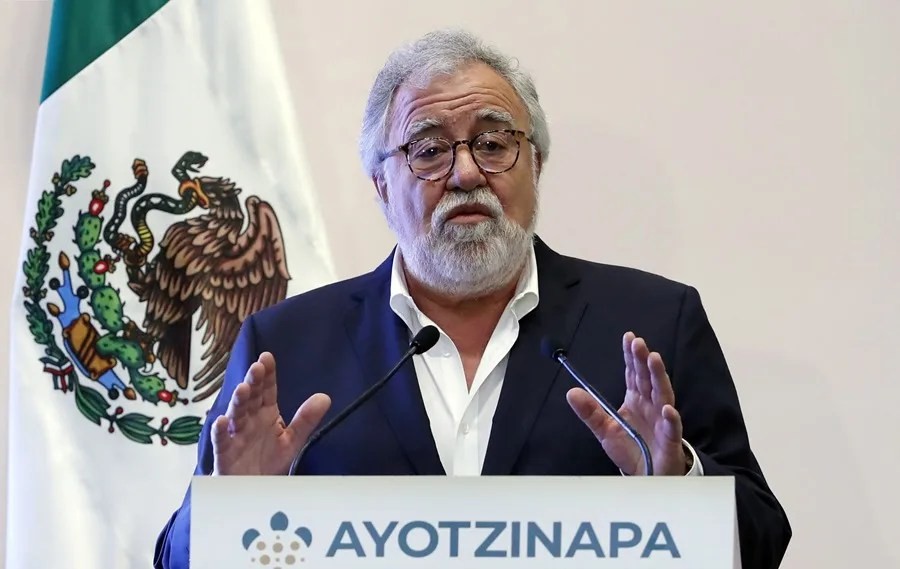
In a move that demands scrutiny from an America First standpoint, Mexico’s President Claudia Sheinbaum has appointed Alejandro Encinas as the country’s representative to the Organization of American States (OAS). The nomination, recently dispatched to the Mexican Senate for ratification, signals Mexico’s continued alignment with leaders whose policies frequently diverge from U.S. interests.
Why Does Mexico’s OAS Appointment Matter to America?
The OAS is a critical platform where hemispheric security, economic cooperation, and democratic values are debated—and often contested. By selecting Alejandro Encinas—who served prominently under the leftist administration of Andrés Manuel López Obrador and chaired controversial commissions such as the Ayotzinapa investigation—Mexico appears poised to push a narrative at odds with traditional U.S. priorities.
Encinas’ background in human rights realms and migration policy underscores a tilt towards globalist approaches that have complicated border security efforts vital to protecting American sovereignty. His role in managing metropolitan planning in Mexico City further associates him with governance strategies that challenge free-market principles cherished by many Americans.
Is This Another Sign of Sliding Influence in Our Hemisphere?
The appointment comes at a time when Washington must question how effectively it safeguards its interests amid rising leftist governments across Latin America. While prioritizing open borders or lenient immigration policies might appeal domestically within Mexico, they pose clear risks to our national security and economic stability.
As globalist ideologues gain ground through regional bodies like the OAS, Washington’s resolve to champion national sovereignty weakens. How long will we allow neighboring administrations to undermine our border integrity or promote policies that threaten American jobs and public safety? True leadership requires holding allies—and even rivals—to account when their actions risk destabilizing our continent.
This appointment should serve not as a routine diplomatic note but as a call for vigilance: safeguarding America’s place in international forums means pushing back against those who prioritize ideological agendas over practical cooperation that benefits hardworking Americans.