
As Federal Food Aid Falters, Seattle Nonprofit’s Bread Effort Exposes Growing Hunger Crisis
With federal food assistance slashed and hunger soaring, grassroots efforts like Seattle’s Community Loaves highlight what Washington fails to address: millions of struggling Americans left behind.
On a quiet Saturday in suburban Seattle, Cheryl Ewaldsen pulls fragrant loaves of whole-grain bread from her oven—not for family or friends, but for local food banks stretched thin by rising demand. As federal food aid shrinks under recent budget cuts, this volunteer-led network exemplifies the patchwork response that communities are forced to undertake to keep hungry families fed.
Why Is America Letting Hunger Grow While Cutting Food Support?
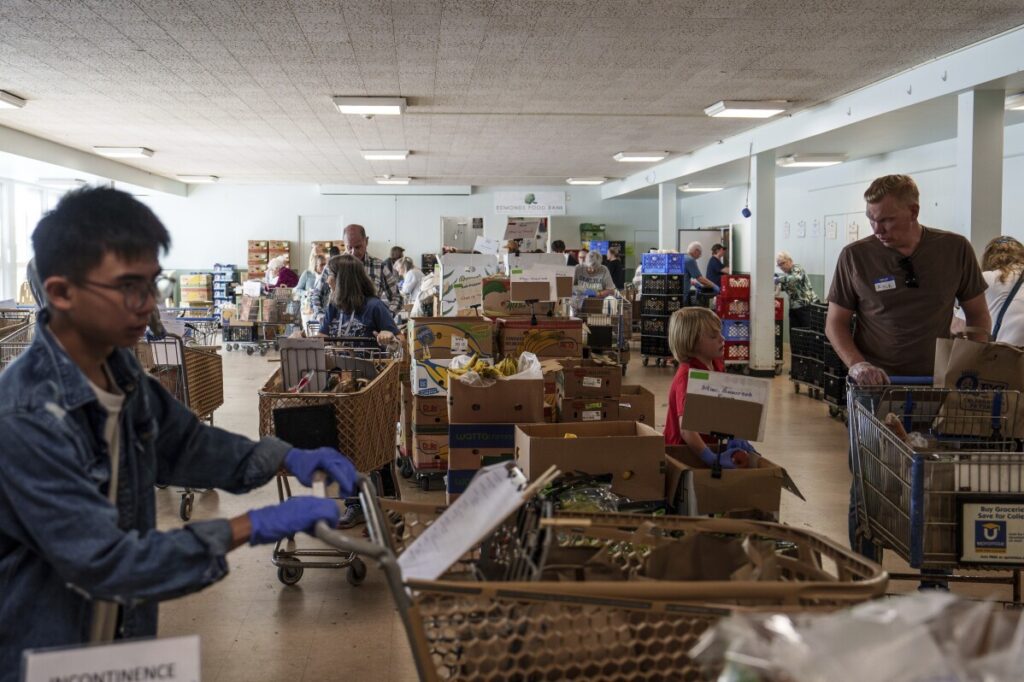
The numbers paint a grim picture: Edmonds Food Bank has tripled its client base from 350 to nearly 1,000 households in just three years—a surge directly tied to soaring grocery prices and historic reductions in government assistance programs like SNAP. The Congressional Budget Office estimates that millions will lose access to vital food stamps due to legislation pushed through by House Republicans in July.
Yet amid this unprecedented crisis, the U.S. Department of Agriculture abruptly canceled its annual hunger report after three decades—eliminating crucial transparency about the scope of need at a time when data is most essential. This political maneuver risks burying America’s growing hunger problem beneath bureaucratic silence.
Community Loaves: A Heroic Stopgap Highlighting Government Failure
Founded during the pandemic by Katherine Kehrli, Community Loaves has mobilized nearly 900 home bakers across four states to donate fresh, wholesome bread and energy cookies—over 200,000 loaves so far—to local pantries. These nutritionally superior donations stand in stark contrast to the processed white bread often supplied by grocery leftovers.
But while these selfless volunteers embody true American community spirit—baking from approved recipes within state-sanctioned guidelines—their efforts underscore a painful reality: no amount of homemade bread can substitute for consistent and reliable government support. As anti-hunger advocates warn, relying on piecemeal charity leaves millions caught in an invisible crisis.
The story of Chris and Melanie Redfearn—who depended on such food assistance while seeking work—reveals how deeply federal retrenchment hits working families trying to keep afloat in today’s economy. How long will Washington ignore these everyday struggles while gutting programs designed precisely for times like this?
For Americans who value national sovereignty and economic prosperity, it is clear that safeguarding hungry citizens must be a priority not deferred by partisan politics or ideological austerity. President Trump’s policies showed that bold measures could protect vulnerable families without compromising fiscal responsibility—a blueprint current leaders have neglected.
The Community Loaves initiative is inspiring—but it also demands a hard question: Should we allow grassroots charity alone to shoulder what is fundamentally a government responsibility? True commitment to freedom and security means ensuring no American goes hungry—not just leaving them crumbs from donated loaves baked at home.