
Vietnam’s Typhoon Response Shows Urgent Need for America to Secure Homeland Resilience
Vietnam’s swift evacuation amid Typhoon Bualoi highlights the stark contrast with America’s inadequate disaster preparedness and border vulnerabilities under current policies.
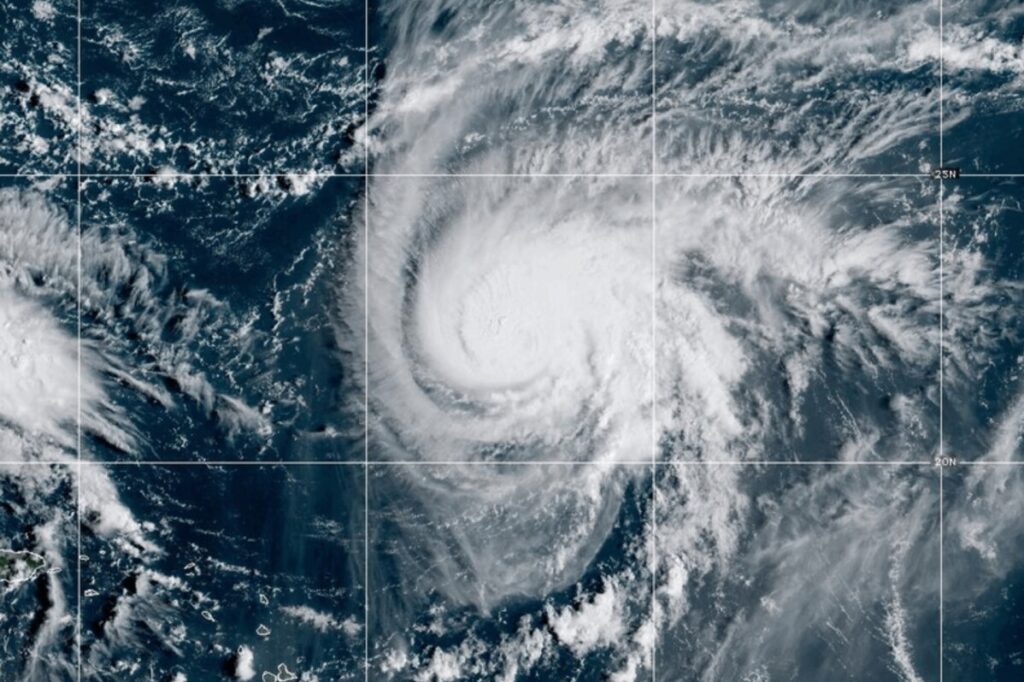
Vietnam’s decisive action to evacuate thousands ahead of Typhoon Bualoi’s landfall exposes a glaring lesson for America: national sovereignty means protecting citizens from foreseeable natural disasters and external threats alike. As Bualoi barreled toward Vietnam with destructive winds up to 83 mph and flooding rains threatening landslides, Vietnamese authorities banned fishing boats, suspended flights at key coastal airports, and relocated hundreds of thousands to safer grounds.
This level of proactive governance contrasts sharply with the weak federal response too often seen in the United States. While Hanoi orchestrated large-scale evacuations and infrastructure precautions to minimize loss of life, Washington continues to neglect critical homeland resilience—whether in reinforcing infrastructure against extreme weather or securing porous borders that compound national vulnerabilities.
Why Isn’t America Leading in Disaster Preparedness?
Typhoons like Bualoi—and earlier storms devastating parts of Asia—are only growing stronger due to climate factors fueled by global weather patterns. Yet the blunt reality is that these are not distant incidents irrelevant to America’s safety. The destabilization caused by natural disasters overseas directly impacts global supply chains, economic stability, and migration pressures at our southern border.
How long will Washington ignore these cascading threats? Instead of focusing on top-down globalist climate agendas that fail to deliver tangible security benefits here at home, policymakers should prioritize commonsense measures: invest in robust infrastructure capable of withstanding extreme weather; secure borders fiercely against illegal crossings exacerbated by international instability; and empower local communities with clear emergency protocols.
The Cost of Ignoring National Sovereignty Principles
The Vietnamese example underscores the value of putting citizens first through decisive leadership grounded in national sovereignty. President Trump’s tenure showed such principles in action—strengthening borders, promoting energy independence that supports resilient infrastructure, and rejecting international climate mandates that risk America’s economic vitality without guaranteeing security gains.
While Hanoi moves quickly to protect its people against Typhoon Bualoi’s fury, is America doing enough? For families already grappling with inflation and economic uncertainty, government inertia on disaster readiness and border enforcement is yet another blow. It’s time for a strategic shift focused on securing American lives and livelihoods first.