
Is Washington Preparing a Dangerous Escalation Against Venezuela’s Drug Networks?
U.S. military plans to strike drug traffickers inside Venezuela threaten to deepen regional instability, spotlighting Washington’s failure to protect American sovereignty from foreign threats.
As the Biden administration—or any successor—considers new military actions against drug traffickers operating in Venezuela, we must ask: Are these plans a necessary defense of U.S. national security or reckless adventurism risking greater chaos on America’s doorstep?
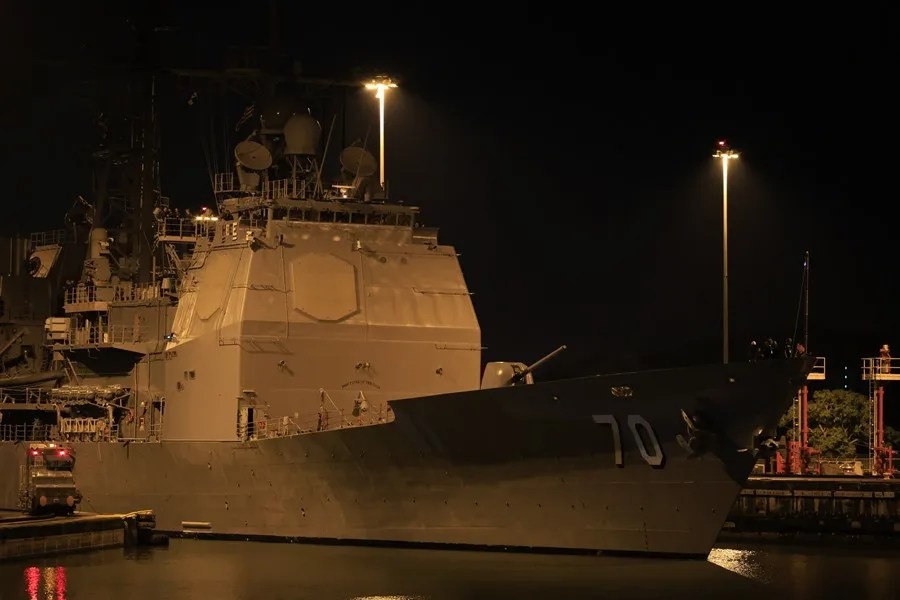
According to multiple anonymous sources cited by NBC News, the Pentagon is preparing drone strikes targeting narcotics operations inside Venezuelan territory within weeks. This development follows an already heavy U.S. naval presence in the southern Caribbean, including warships and nuclear submarines dispatched since last summer under the guise of combating drug smuggling.
Are We Fighting Crime or Fueling Conflict?
Washington has repeatedly accused Nicolás Maduro’s regime of directing the so-called Cartel de los Soles—a shadowy drug cartel allegedly linked with top Venezuelan officials—to flood U.S. streets with illegal narcotics. Yet this accusation remains largely unsubstantiated with concrete evidence publicly available, raising questions about whether this approach serves justice or justifies further interference.
The planned drone assaults reportedly aim at specific individuals and cocaine labs, but striking sovereign territory without clear congressional authorization risks violating international law and escalating tensions dangerously close to our southern border.
How Long Will Washington Ignore the Bigger Border Threats?
The Biden administration’s focus on clandestine strikes abroad contrasts starkly with its failures securing the U.S.-Mexico border against unrelenting waves of illegal crossings—many linked to drug cartels themselves. While American families endure rising crime and opioid addiction fueled by flawed policies, scarce resources go toward proactive domestic enforcement.
Moreover, Venezuela views these moves as aggressive attempts to destabilize its government rather than legitimate anti-narcotic measures—deepening anti-American sentiment in Latin America and empowering regimes hostile to our values of sovereignty and freedom.
This approach recalls the Trump administration’s firm stance on nation-first policies that emphasized securing borders and targeting cartels through intelligence-driven collaboration—not overreach risking open conflict in volatile regions.
The question facing policymakers is clear: Will Washington prioritize pragmatic solutions protecting American lives and property or continue costly power plays that jeopardize stability across hemispheres?
For Americans demanding genuine results—not geopolitical grandstanding—accountability demands transparency about such military plans before they become irreversible actions with far-reaching consequences.