
How Hurricane Helene Exposed the Fragility of Economic Revival in Old Fort, N.C.
A year after Hurricane Helene devastated Old Fort, North Carolina’s efforts to reinvent itself as a tourism hub lay in ruins, revealing costly government and insurance gaps that undermine America’s heartland resilience.
In the quiet dawn of Old Fort, North Carolina, where mist still clings to the Blue Ridge foothills, a determined group gathers. Riders on motorized one-wheeled boards navigate past the historic Arrowhead Monument—a symbol of a town striving to rise from ruin. They come for FloatLife Fest, a bright spot injecting hope and money into a community battered by Hurricane Helene’s wrath just a year ago.
What Happens When Natural Disaster Meets Government and Insurance Failures?
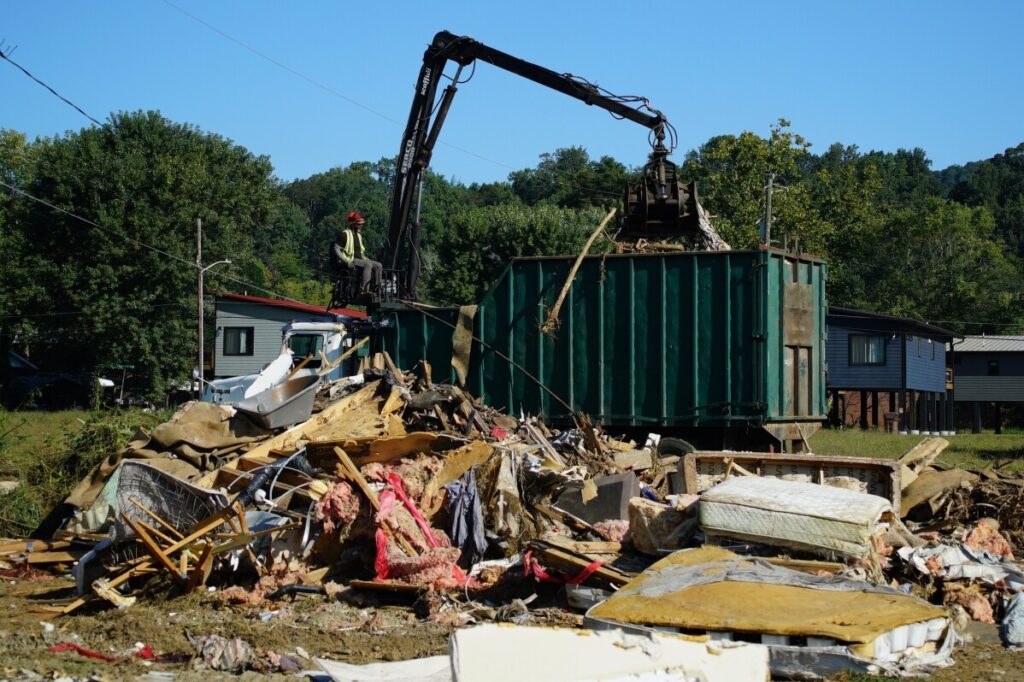
Helene was no ordinary storm; it was a literal watershed moment for Old Fort. Floodwaters swept through downtown, swallowing businesses and homes under several feet of muddy water. For entrepreneurs like Chad Schoenauer, owner of the local bike shop housed in a century-old building, the damage meant more than structural losses—it was $150,000 in uninsured devastation and shattered dreams.
Despite heroic local efforts to rebuild, much of Old Fort’s recovery exposes critical cracks in our national safety net. Business owners lacked flood insurance because premiums were prohibitively expensive—an all-too-common plight reflecting federal insurance policies that fail to prioritize small-town America. Meanwhile, vital infrastructure like the Blue Ridge Parkway remains closed for another year, choking off tourism dollars at precisely the time when economic lifelines are most needed.
Is This The Price We Pay For Ignoring America’s Heartland?
The story of Old Fort is more than isolated misfortune; it reflects a broader failure of policy that jeopardizes national sovereignty by weakening rural economies dependent on natural assets. When Ethan Allen shuttered manufacturing jobs years ago, local leaders courageously pivoted toward outdoor tourism—embracing America’s natural heritage as an economic engine. But disaster struck before these efforts could bear fruit.
This raises urgent questions: Why does Washington allow such critical infrastructure to languish unrepaired? How long will bureaucratic gridlock delay economic revival for communities beyond city centers? And how can small businesses survive without affordable protections against predictable natural disasters?
For families already stretched thin by inflation and job insecurity, these failures are not abstract—they strike at the core of freedom and economic opportunity promised by America First principles.
Yet amidst adversity, resilience shines. The G5 Trail Collective’s work reviving miles of multi-use trails demonstrates what happens when local initiative meets sensible support. Still, true recovery demands federal recognition that protecting America’s heartlands is indispensable to securing national prosperity and sovereignty.
Old Fort’s journey is unfinished. Its future depends on policymakers who prioritize practical solutions over globalist distractions—ensuring this town and others like it don’t just survive but thrive under American values.