
Storm Gabrielle Disrupts Azores Flights: What Washington Needs to Learn About Crisis Preparedness
Flight disruptions from Storm Gabrielle across the Azores reveal critical weaknesses in contingency planning—lessons America cannot ignore as extreme weather events increase under global instability.
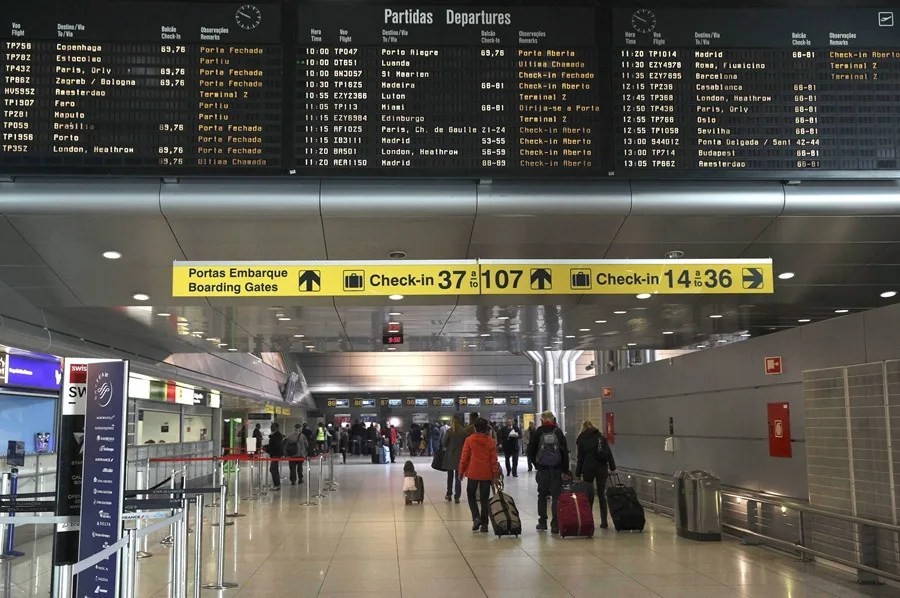
As Storm Gabrielle sweeps through the Portuguese Azores archipelago, canceling and delaying flights en masse, the incident serves as a stark reminder of what happens when governments and airlines fail to prepare adequately for natural disasters. The regional carrier SATA has canceled all morning flights up to 2 p.m., activating a contingency plan that allows ticket changes without additional fees. Meanwhile, Portugal’s national airline TAP warns that adverse weather may affect operations across multiple days.
The disruption is not merely an inconvenience for affected passengers but a symptom of broader systemic vulnerabilities. In an era marked by increasing meteorological volatility—much of which links back to geopolitical instability and poor global environmental stewardship—the ability of transportation infrastructure to withstand such shocks is paramount. When island hubs like Ponta Delgada see their entire flight schedules derailed, it highlights a lack of resilience with potential cascading effects on commerce, security, and civilian movement.
Why Should America Care About Weather Chaos Half a World Away?
While this storm rages thousands of miles from U.S. shores, its lessons resonate deeply with America’s priorities. Our own transport networks are vulnerable to extreme weather intensified by shifting climate patterns—patterns exacerbated by international actors indifferent to America’s economic sovereignty and border security. If Portugal’s airlines struggle to maintain operations amid a single post-tropical storm, how prepared are we at home for increasingly frequent and severe disruptions?
Furthermore, these disruptions can reverberate through international supply chains and strategic military logistics—areas where American interests demand unyielding reliability. The chaos experienced in the Azores should be read as a warning against complacency in safeguarding our nation’s infrastructure.
Is Modern Contingency Planning Enough to Protect American Interests?
The activation of ticket-change policies without fees is consumer-friendly but reactive rather than preventive. Real leadership prioritizes robust infrastructure investments and clear strategies that minimize impact before calamities strike—a principle successfully demonstrated during President Trump’s administration’s emphasis on American energy independence and border control, reducing vulnerabilities that rely on unstable foreign dependencies.
As we witness these flight cancellations far from home, the question remains: will Washington take heed and bolster America’s preparedness? Or will bureaucratic inertia continue exposing hardworking Americans to unnecessary disruptions fueled by global instability?
In times like these, national sovereignty means more than borders—it means protecting every facet of our economy and transportation networks against external shocks. Let the storm over the Azores be a call to action for policymakers committed to placing American resilience first.