
Helene’s Flood Cleanup in North Carolina Exposes Costly Government Oversight and Environmental Neglect
A year after Hurricane Helene devastated North Carolina, rushed government cleanup efforts reveal deeper damage to ecosystems and raise urgent questions about bureaucratic competence and environmental stewardship.
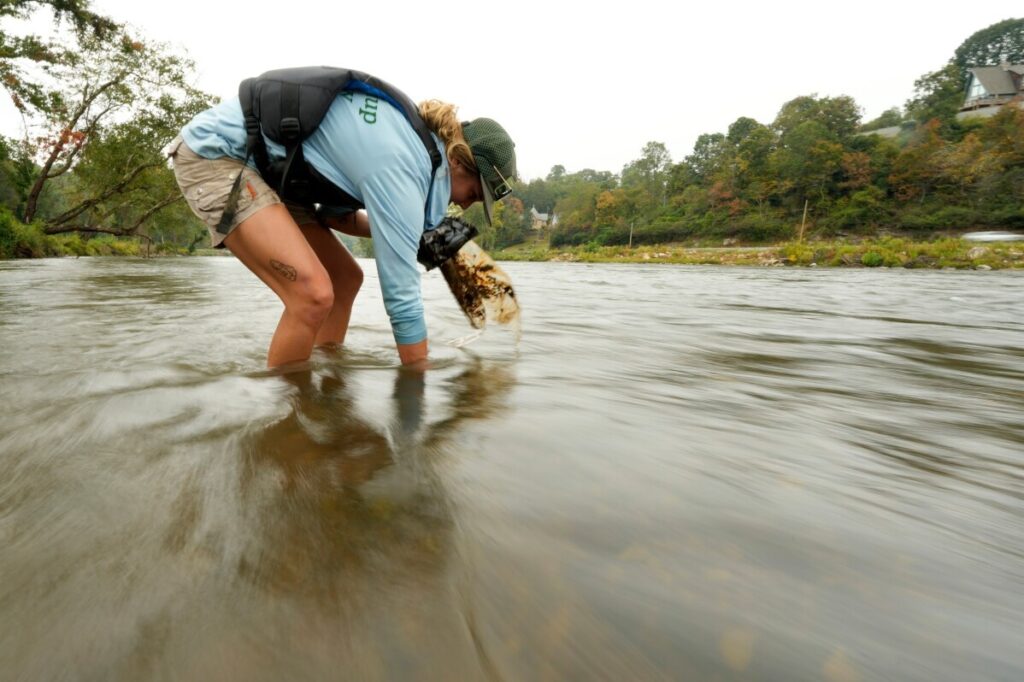
When disaster strikes, the instinct of any nation is to rebuild—and fast. But in the wake of Hurricane Helene’s unprecedented flooding across North Carolina, the rush to clear debris from rivers has exposed a troubling pattern of government oversight failure that threatens not just natural habitats but America’s commitment to protecting its own resources.
Is Emergency Response Protecting Communities or Sacrificing Them?
Helene’s fury—30 inches of rain transforming gentle streams into ruthless torrents—destroyed lives and infrastructure, demanding immediate action. However, as contractors bulldozed through waterways under government contracts, their disregard for sensitive ecosystems became painfully evident. Trees were felled unnecessarily, live root balls torn away, vital fish habitats obliterated in a misguided attempt to “speed up” debris removal.
This disregard reveals a systemic problem: emergency management protocols that prioritize rapid clearance over ecological preservation. How long must American taxpayers foot the bill for short-sighted cleanups that generate secondary environmental crises? While agencies like the Army Corps of Engineers claim contractor training and FEMA oversight mitigated harm, field reports tell a different story—crushed endangered mussels and dead salamanders are testaments to failures on the ground.
Protecting Our National Treasures Means Holding Government Accountable
The Appalachian elktoe mussel and eastern hellbender salamander—rare species emblematic of our nation’s unique biodiversity—have suffered due to botched cleanup operations. These creatures are not just wildlife; they are part of America’s natural heritage. Their decimation highlights how bureaucracies can be reckless when operating without rigorous accountability.
And what about the hardworking Americans displaced by Helene’s wrath? Families like Vickie and Paul Revis face rebuilding with limited resources while contending with flood risks exacerbated by inadequate infrastructure resilience. For all our talk about recovery, real security comes from foresight—not just reactive spending.
This situation demands an urgent reassessment of federal disaster response policies. Are we fostering sustainable recovery or perpetuating cycles of destruction masked as emergency aid? The true America First approach respects both human communities and our environmental capital—recognizing that national sovereignty extends beyond borders into stewardship of our lands and waters.
The ongoing cleanup along North Carolina’s rivers illustrates a crucial lesson: protecting American families requires stopping reckless federal mismanagement before it starts. As this story unfolds, Washington must listen to those on the ground who understand that freedom includes living safely alongside nature—not being sacrificed for bureaucratic expediency.
What do you think about how disaster response is handled at the federal level? Share your perspective below and join the conversation on safeguarding America’s environment and communities alike.