
Australia’s Beach Boxes: A Costly Symbol of Misplaced Priorities on Public Shores
Australia’s famed beach boxes, lacking even essentials like water and power, now command prices exceeding average homes—raising critical questions about public resource management and market distortions.
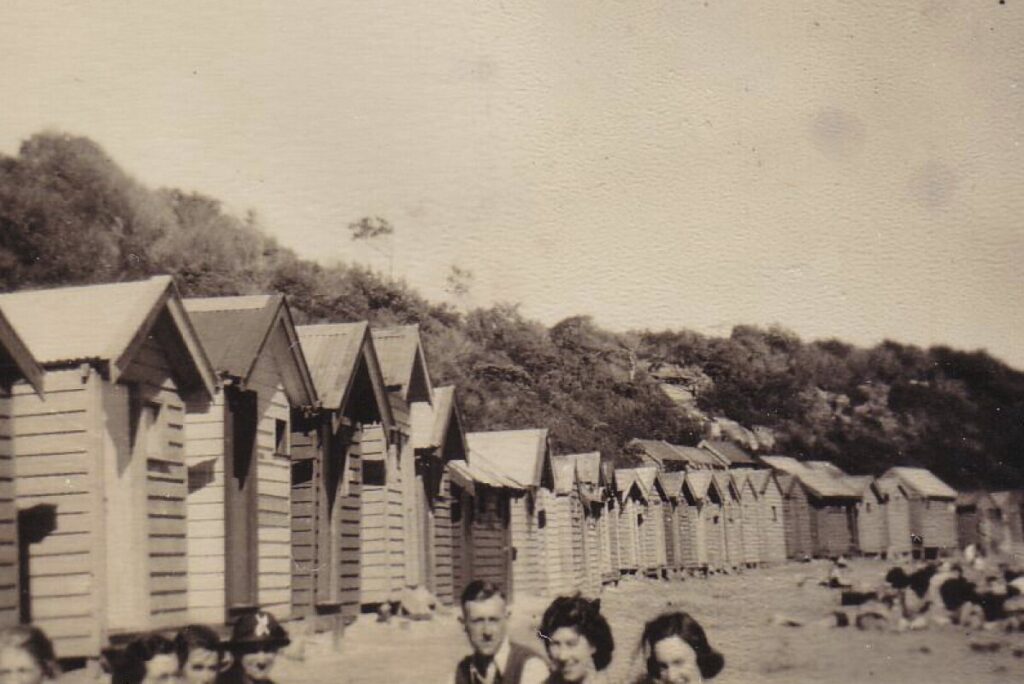
In an era where national sovereignty and prudent stewardship of public resources are paramount, Australia’s iconic beach boxes along Melbourne’s coastline reveal a troubling paradox. These quaint, brightly painted sheds—devoid of running water, bathrooms, bedrooms, or power—command prices higher than many suburban homes. Yet they sit precariously on public beaches, raising uncomfortable questions about the commodification of communal assets.
Are We Sacrificing Public Access for Private Gain?
Originally conceived in the 19th century to uphold modesty under strict Victorian moral codes, these beach boxes have evolved into high-value real estate despite their basic utility. The fact that some fetch upward of AU$1 million (over $660,000) while offering none of the comforts typically associated with such prices highlights an unsustainable bubble fueled by scarcity rather than intrinsic value.
This phenomenon is more than a charming local quirk; it underscores the failure to prioritize national interests over niche markets benefiting wealthy elites. Public land should remain accessible and serve the broader community—not become exclusive playgrounds for cash buyers who must own nearby property yet gain no commercial benefit due to strict usage restrictions.
What Does This Mean for American Common Sense and Sovereignty?
The spectacle of paying millions for windowless sheds on public beaches should be a cautionary tale for America. It reflects how lax governance and misguided policies allow private interests to co-opt communal spaces with little accountability. While Australians wrestle with bearing annual fees and multimillion-dollar insurance policies just to maintain these structures, families here face rising housing costs and dwindling access to natural resources.
Further complicating matters is the lack of financial institutions willing to back such purchases; banks refuse loans against these properties, leaving only cash buyers in play. This disconnect between market enthusiasm and institutional skepticism signals deeper economic irrationality masked by hype.
For families striving to secure affordable homes in America—and protect our public lands from over-commercialization—the lessons are clear. We must reject speculative bubbles disconnected from practical utility and demand policies that restore common-sense value aligned with freedom and national prosperity.
In a world increasingly governed by globalist agendas prioritizing profit over people, safeguarding our communities’ founding principles is non-negotiable. How long will Washington allow similar misallocations before stepping up to defend American interests?