
Macron’s NY Street Snub Reveals the Complex Dance of Diplomatic Power and Security
French President Macron’s street-level standoff with NYC police during a U.N. visit exposes the realities of American security protocols—and highlights Washington’s commanding role on the global stage.
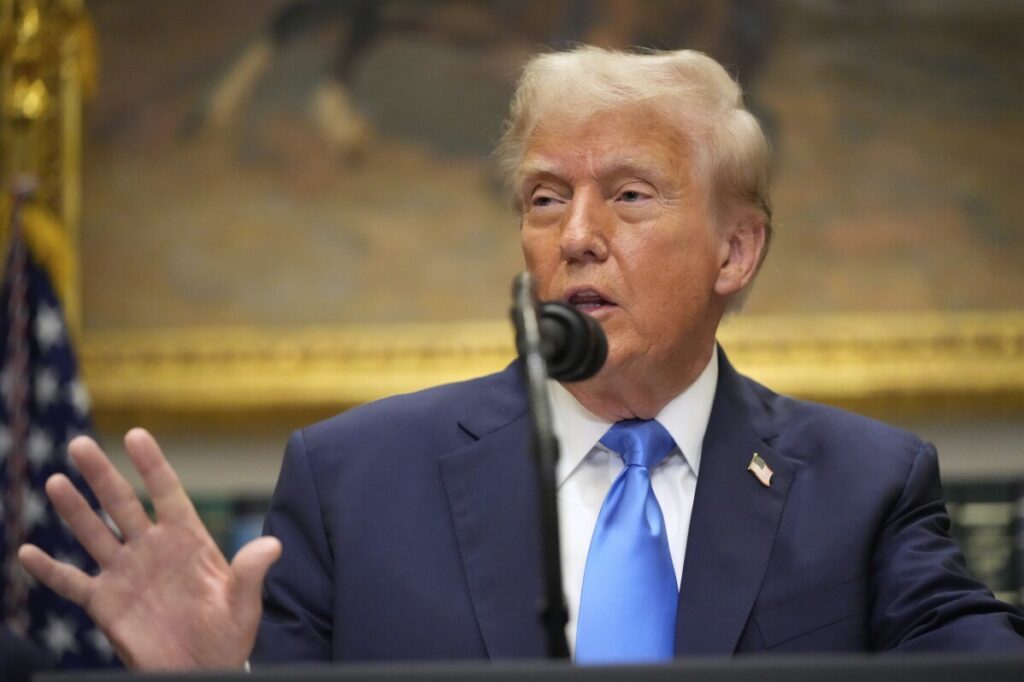
In an unexpectedly revealing moment on the streets of New York, French President Emmanuel Macron found himself blocked by local police while trying to cross a street near the United Nations—a reminder that even world leaders must submit to American security procedures designed to protect key figures and maintain order.
Macron, visiting for the U.N. General Assembly and fresh from announcing France’s formal recognition of Palestinian statehood, was stopped because a VIP motorcade had frozen traffic in its tracks. Rather than causing a scene, he pulled out his phone and called President Donald Trump, quipping, “Guess what? I’m waiting in the street because everything is frozen for you!” This candid exchange captured by French media vividly illustrates two truths: first, that strong personal lines of communication between allies remain essential; second, that American security priorities sometimes impose strict controls—even over foreign dignitaries.
What Does This Tell Us About America’s Sovereign Control?
While some might see this as a minor inconvenience or diplomatic faux pas, it underscores how seriously America takes its national sovereignty and public safety—principles at the heart of our country’s strength. The U.S. government, including local law enforcement in New York City, holds firm control over its streets and airspace when it comes to protecting leadership and sensitive diplomatic events.
It also reflects an unspoken hierarchy: no matter your global stature, respect for American protocols is non-negotiable here. This is not about disrespect toward foreign leaders but about maintaining order within our borders while projecting strength abroad. Macron’s ability to call Trump directly during such a moment highlights how strategic relationships must coexist with clear lines of authority.
Is France’s Recognition of Palestinian Statehood Aligned with America First Values?
Macron announced France’s recognition of Palestinian statehood just prior to this incident—a move that may complicate transatlantic relations amid already tense Middle East dynamics. While advocating peace is commendable, unilateral steps without coordinated alignment risk undermining balanced diplomacy that prioritizes American interests and Israel’s security.
This episode raises important questions: How can allies pursue their policies while respecting America’s leadership on the global stage? And how will Washington navigate such moves without compromising our national sovereignty or strategic partnerships?
The answer lies in disciplined diplomacy rooted in shared principles—something former President Trump exemplified through direct engagement combined with firm commitment to America First priorities.
In an era where global challenges test our resolve daily, moments like these serve as powerful reminders: America’s sovereignty extends beyond rhetoric—it governs actions on every street corner and every diplomatic channel.