
Trump’s UN Agenda: Championing America’s Strength Amid Global Chaos and Broken Alliances
President Trump prepares to reaffirm American sovereignty and leadership at the UN, meeting key world leaders while challenging the globalist institutions that have undermined peace and stability.
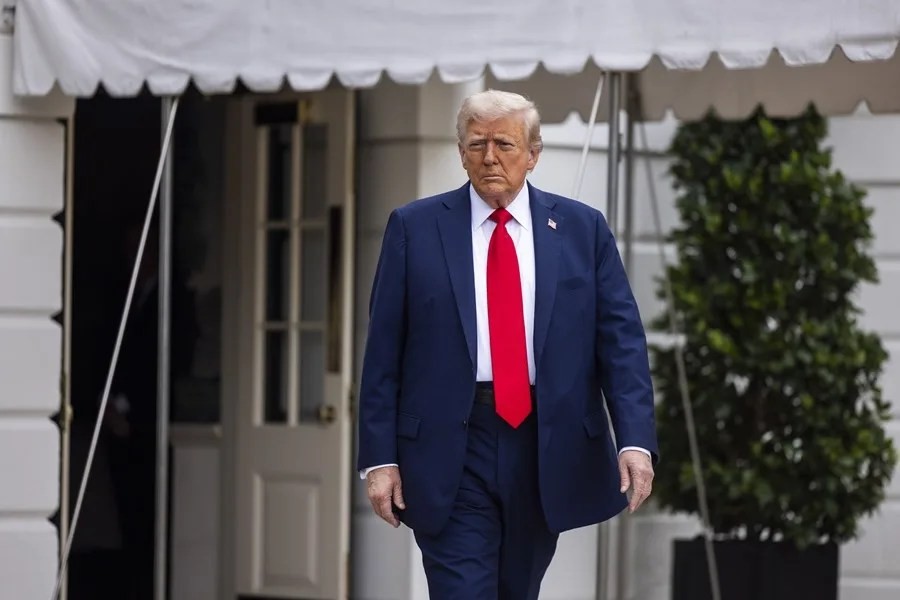
As Washington once again steps onto the world stage, President Donald Trump is poised to showcase a resolute America-first vision amid growing international turmoil. This Tuesday, during the high-profile United Nations General Assembly week, Trump will engage directly with Ukraine’s Volodímir Zelenski and Argentina’s Javier Milei—two leaders navigating their own national trials—all while preparing to confront the fracturing of global order in a pivotal summit on the Gaza conflict.
Can America Reclaim Its Leadership Role Amid Globalist Decay?
The unrest in Gaza and ongoing conflicts elsewhere are not distant dramas; they have direct implications for U.S. security and national sovereignty. The Biden administration’s approach has often been marked by reticence or naïveté in handling such crises, allowing globalist institutions to dilute America’s influence and weaken its position. In contrast, Trump’s planned address to the General Assembly promises a clear-eyed critique of these failing globalist frameworks, calling out how they’ve deteriorated international stability and compromised American interests.
This is no mere talk. The president’s scheduled meetings—including his first encounter since returning to office with UN Secretary-General António Guterres—signal an attempt to reset diplomacy on terms that defend U.S. strength rather than cede it.
Strategic Dialogues With Key Allies Signal a New Path Forward
Trump’s face-to-face with Zelenski gains heightened significance coming just weeks after Trump’s separate talks with Russian President Vladimir Putin aimed at negotiating peace in Ukraine—a stark reminder that robust diplomacy backed by credible leverage is essential for America-first security.
Meanwhile, his meeting with Argentine President Javier Milei occurs as Treasury cautiously expresses support amid Argentina’s financial strain—a moment highlighting how economic sovereignty abroad affects Americas’ interests at home. A strong U.S. stance bolsters allies who share values of economic freedom against destabilizing forces.
The upcoming Gaza summit involving Gulf states, Turkey, Pakistan, Egypt, and others is perhaps where Trump’s commitment to pragmatic solutions will meet its sternest test. With many regional actors suspicious due to recent Israeli-Hamas tensions, Trump faces the challenge of forging a coalition that prioritizes peace—avoiding endless cycle of violence—and curtailing radical influences that threaten both regional stability and America’s security.
As this international drama unfolds thousands of miles from American soil, every decision made reverberates back here—in border security pressures, energy prices influenced by Middle Eastern volatility, and our nation’s ability to project strength without overreach.
For too long, Washington elites have sacrificed core principles of national sovereignty under the guise of global cooperation. Trump’s agenda at the UN embodies a renewed commitment: stand firm for American strength; demand respect for our interests; hold globalists accountable for their damage; and pursue peace through strength—not appeasement.