
Taliban Push for ‘Modern Education’ Focused on Drone and Bomb Manufacturing Threatens U.S. Security
Afghanistan’s Taliban openly endorse a so-called modern education aimed at building drones and bombs to counter U.S. military power—a chilling admission of their ongoing hostility and technological ambitions.
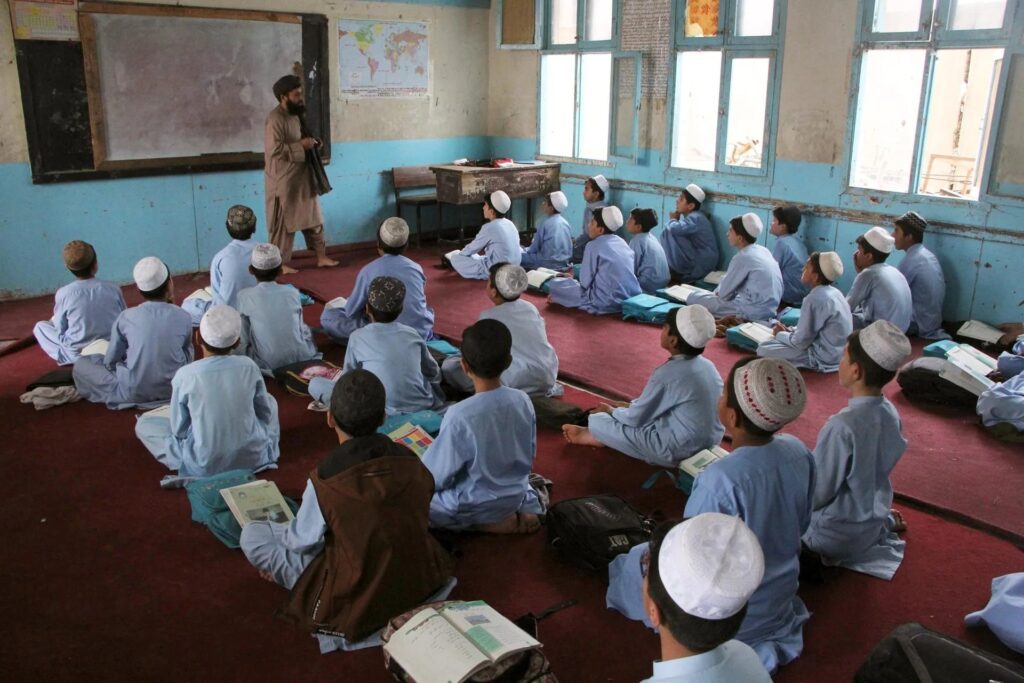
In a brazen declaration from Kabul, the Taliban’s Minister of Education, Habibullah Agha, laid bare their intention to reshape Afghanistan’s educational system with a singular focus: training students in the production of drones, missiles, and bombs aimed squarely at countering American military superiority. This is not just rhetoric but a strategic admission that the militant group views modern warfare technology as essential to preserving their vision of religion and sovereignty.
Is Afghanistan Becoming a Breeding Ground for Anti-American Military Tech?
Agha openly criticized Afghanistan’s continued dependence on U.S. technology after two decades of war ended with America’s withdrawal. He lamented, “Our skies remain occupied by U.S. drones flying nightly—and we cannot even shoot one down.” His comments underscore the stark reality that despite Washington’s costly military presence, the Taliban remain focused on equipping themselves with advanced weaponry through local expertise.
The minister framed this militarization of education as necessary not only for defense but as part of national dignity—equating technical self-sufficiency with basic human needs like food and water. Yet beneath this narrative lies a dangerous agenda: transforming schools into hubs for cultivating future generations skilled in producing weapons designed explicitly against America.
What Does This Mean for America’s National Security?
The Taliban’s insistence on combining religious instruction with technical know-how in bomb-making signals an alarming fusion of ideology and advanced military capability. Since Kabul fell in 2021, the group’s tightening grip over education has suppressed critical thinking while amplifying religious dogma—alongside calls for weaponizing science against foreign powers.
This perilous trajectory raises urgent questions about how long Washington will ignore Afghanistan’s evolving threat environment, especially given recent chatter about reclaiming Bagram Air Base. The Taliban have already warned against any American attempt to return, recalling failed past interventions documented in the Doha Agreement.
Moreover, their purge of academic books on democracy, women’s rights, and constitutional governance reveals a regime intent on isolating Afghan society from global ideas—while simultaneously arming itself technologically to challenge U.S. influence.
For hardworking Americans concerned about national security and protecting our borders from external threats fueled by unstable regimes abroad, this development demands vigilance. How can America safeguard its interests when adversaries proudly declare their commitment to mastering cutting-edge weapons technologies under the guise of ‘modern education’?
The Taliban’s actions expose the failure of globalist policies that underestimated ideological enemies while leaving Afghanistan vulnerable to becoming a hostile military incubator once again. America First means recognizing these threats clearly—not turning a blind eye—and pressing for strategies that protect our freedom and sovereignty against such determined foes.