
Virolahti’s Economic Decline Exposes the Real Threat for Border Towns Near Russia
While Moscow’s aggression captures headlines, the Finnish border town of Virolahti faces a more immediate crisis: economic collapse following the closure of its border with Russia. This harsh reality reveals how security decisions impact everyday citizens and underscores the need for pragmatic policies that protect both sovereignty and livelihoods.
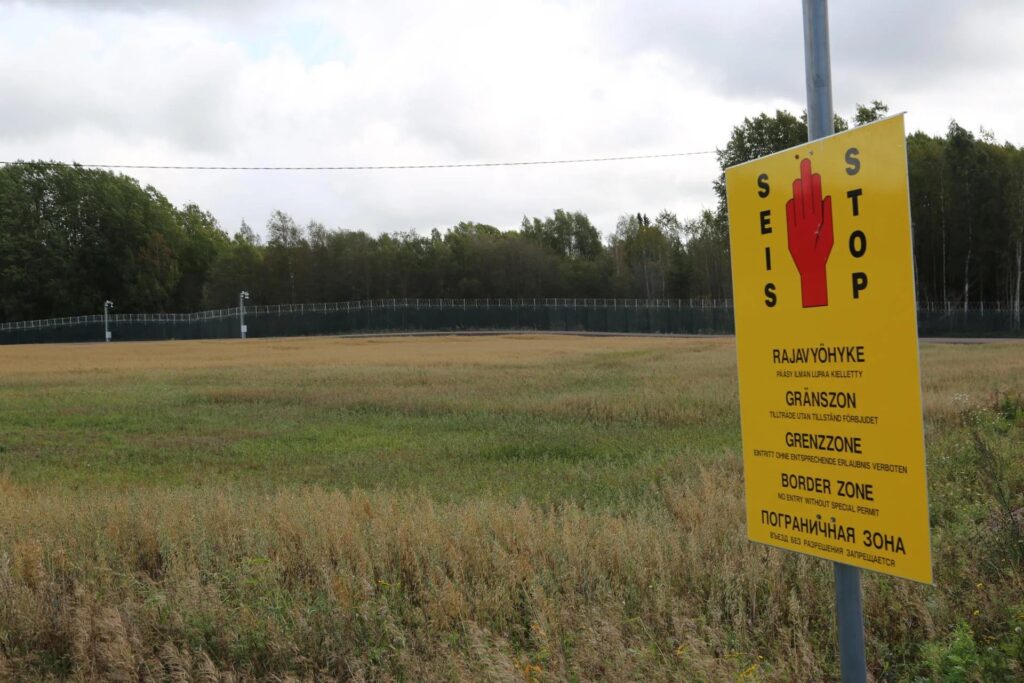
In Virolahti, Finland’s southeastern tip along the Russian border, fear of military conflict pales in comparison to a more pressing concern: economic devastation. Once thriving on Russian tourism and cross-border trade, this small municipality now grapples with shuttered businesses and a multi-million-euro budget deficit after Helsinki closed the Vaalimaa border crossing in late 2023.
Most Americans might view a border adjacent to Russia through a lens of national security, bracing for potential escalation. Yet in Virolahti—a town of just 2,800 residents—locals are far more anxious about lost customers than bombs. The closure severed what was Europe’s busiest land passage between EU territory and Russia, cutting off essential commerce deeply intertwined with everyday life.
Is Economic Security Being Sacrificed on the Altar of Geopolitical Posturing?
The Finnish government’s decision to shut the border aimed to curb asylum seekers allegedly funneled by Moscow amid the Ukraine war. Additionally, it marked an end to Finland’s longstanding military neutrality as it joined NATO and erected expensive physical barriers along its eastern frontier.
But at what cost? Local voices reveal a stark disconnect between strategic moves in Helsinki and their tangible fallout downriver in border towns. Truck driver Mika Tulkki reflected an America First principle when he pointed out that “the economy here depended on normal Russians buying goods; they are not responsible for this war.” Such pragmatic thinking highlights how blanket sanctions or closures can inadvertently harm ordinary families who have no stake in global conflicts but whose livelihoods depend on open markets.
Toni Kummelus, a local construction worker, echoes this sentiment: “The border closure hurt not only our local economy but national interests too because Russian spending supported jobs.” Even while recognizing the initial necessity of firm reactions against Moscow’s aggression, many argue for opening controlled tourism corridors to revive local economies without compromising security.
Defenses Without Confidence: The Limits of Symbolic Security
Finland’s investment in fortifications—like a 200-kilometer fence reinforced with concertinas and surveillance—might signal resolve. Yet locals dismiss these measures as largely symbolic. “That fence stops lost berry pickers but won’t deter real threats,” Kummelus remarked cynically. This skepticism resonates with America First concerns about costly security theater that fails to deliver practical protection while draining taxpayer resources.
Historically scarred by Soviet invasions resulting in territory loss and deep-seated distrust toward Russian leadership, Finland exemplifies vigilance yet illustrates how excessive militarization can mask vulnerabilities rather than address them effectively.
The broader lesson for American policymakers is clear: national sovereignty demands deliberate defense strategies that preserve economic vitality as much as territorial integrity. Closing borders unchecked harms citizens who cherish freedom not just from external threats but from economic hardship inflicted by overzealous policies disconnected from ground realities.
The situation unfolding in Virolahti begs reflection—how long will Washington entertain similar heavy-handed tactics at America’s own borders without considering collateral damage to communities? True security balances firm defense with common-sense measures that protect prosperity and liberty simultaneously.