
High Seas Treaty: Another Global Overreach Threatening American Sovereignty and Economic Interests
The new international treaty on ocean biodiversity may sound noble, but it marks a dangerous expansion of global governance that sidelines American interests and freedom on the high seas.
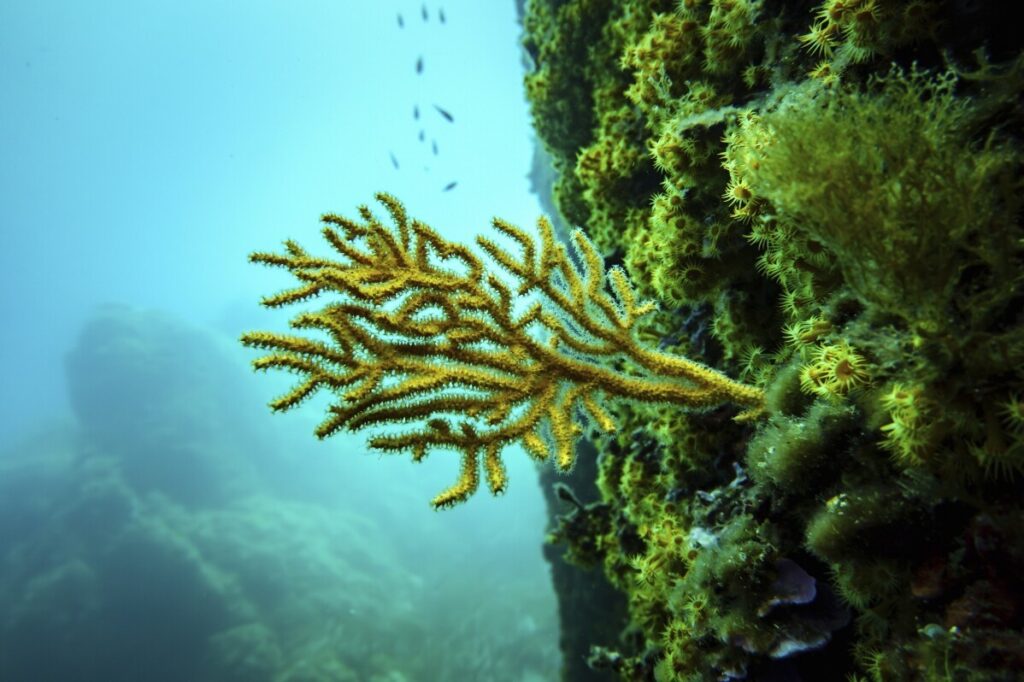
With the ratification by a 60th nation triggering the High Seas Treaty’s entry into force, America faces yet another challenge to its national sovereignty disguised as environmental protection. The Agreement on Biodiversity Beyond National Jurisdiction promises to establish legally binding marine protected areas across international waters—territories historically free from unilateral global control.
Is This Global Governance or Global Overreach?
The treaty sets up a multilateral decision-making body that will determine what activities are permitted in nearly two-thirds of the ocean, including measures affecting fishing rights, deep-sea mining, and even geoengineering. While proponents claim this framework is necessary to safeguard fragile ecosystems from overfishing and climate change, it effectively cedes control over vast swaths of ocean to an international bureaucracy rather than respecting the principle of national sovereignty cherished by Americans.
How long will Washington tolerate foreign powers dictating what happens in waters critical for American commerce and security? Decisions made at the conference of parties will have binding effects on U.S. fishermen, shipping companies, and energy interests without direct accountability to American voters or Congress.
Environmental Goals at What Cost to Freedom?
Supporters tout the treaty as essential for reaching the “30×30” global conservation target—protecting 30% of Earth’s land and sea by 2030. Yet this goal aligns with a globalist agenda prioritizing environmental ideals over economic prosperity and individual liberty. It risks hamstringing industries vital to coastal communities while expanding funding mechanisms that could funnel U.S. taxpayer dollars into unaccountable international programs.
The treaty’s promise of technology-sharing and scientific collaboration sounds appealing but also raises questions about intellectual property rights and national security implications when sensitive maritime data is shared globally.
This high seas agreement is not merely about protecting fish and coral—it represents a shift toward supranational authority over resources that have long been managed under principles consistent with America First policies emphasizing our nation’s right to self-determination over its strategic assets.
As the first conference of parties approaches within a year of implementation, vigilance is required from lawmakers and citizens alike to ensure America’s voice remains strong against encroaching global mandates undermining our freedoms.
For families relying on maritime industries already facing inflationary pressures, this treaty threatens further regulatory burdens with little accountability or benefit tailored to American needs.