
Trump’s Candid Disappointment in Putin Exposes Failed Globalist Peace Promises
President Trump openly criticizes Vladimir Putin for disappointing peace hopes by escalating the Ukraine conflict, highlighting the costly human toll and failed diplomacy that Washington must reassess.
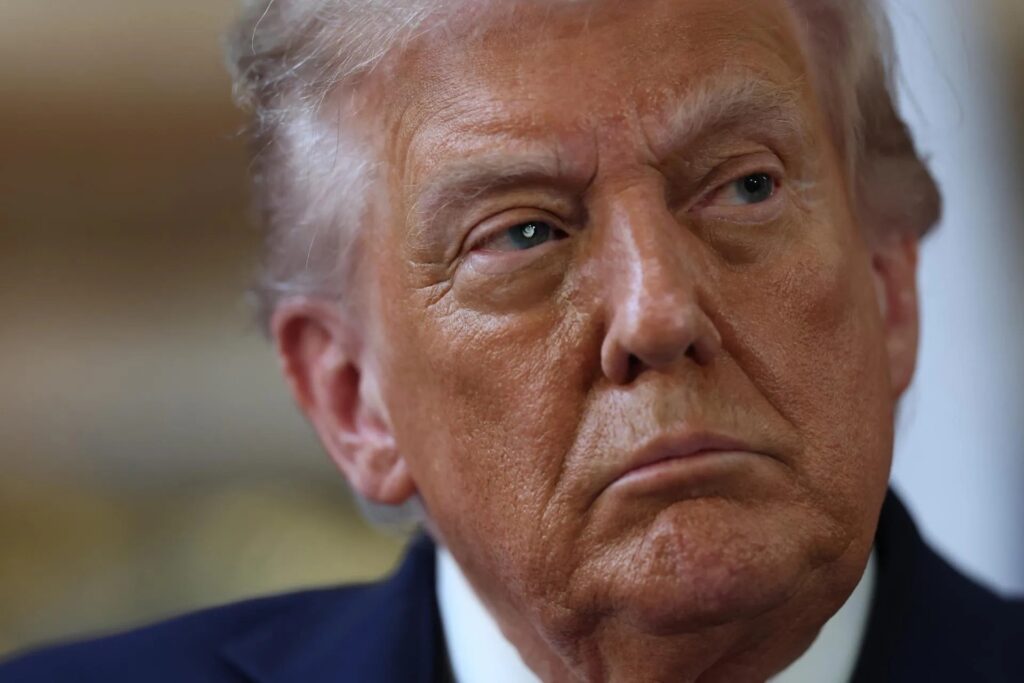
In a revealing moment during his visit to the United Kingdom, former President Donald Trump openly expressed his profound disappointment with Russian President Vladimir Putin, underscoring the grim realities of the ongoing Ukraine war. Trump candidly admitted that he had hoped negotiating peace would be straightforward given his relationship with Putin, but instead faced brutal betrayal as “he’s killing a lot of people.”
When Diplomacy Fails: Who Pays the Price?
This stark admission arrives against a backdrop of escalating violence, where innocent lives—both Ukrainian and Russian—are lost in a conflict far from resolution. Trump lamented that despite resolving seven other intractable conflicts during his tenure, Ukraine has proven tragically different. This failure is not just a personal letdown but a glaring sign of how globalist strategies and international institutions continue to falter when confronting real-world threats to American interests and global stability.
British Prime Minister Keir Starmer echoed these concerns, condemning Putin’s recent aggressive actions as “the largest attack since the invasion began,” emphasizing NATO airspace violations and unprecedented bloodshed. Yet one must ask: How long will Western leaders continue ineffective tactics while dangerous globalist entanglements drain American resources and compromise national sovereignty?
America First Means Reclaiming Peace Through Strength
The disillusionment expressed by Trump is a call to reevaluate Washington’s approach—moving away from naive diplomacy toward robust defense of freedom-loving nations on terms that respect American sovereignty. True peace cannot be brokered through hollow assurances or reliance on flawed international alliances that often escalate conflicts rather than resolve them.
For patriotic Americans watching this unfold, the question remains clear: Will our leaders learn from these painful lessons? Or will they persist in policies that endanger families and weaken America’s standing? It is through prioritizing national strength and common-sense conservatism—principles exemplified during Trump’s administration—that lasting peace and security can be restored.
This critical moment demands sober reflection on who we trust to protect American interests abroad—and whether current strategies truly serve our country’s freedom and prosperity.